
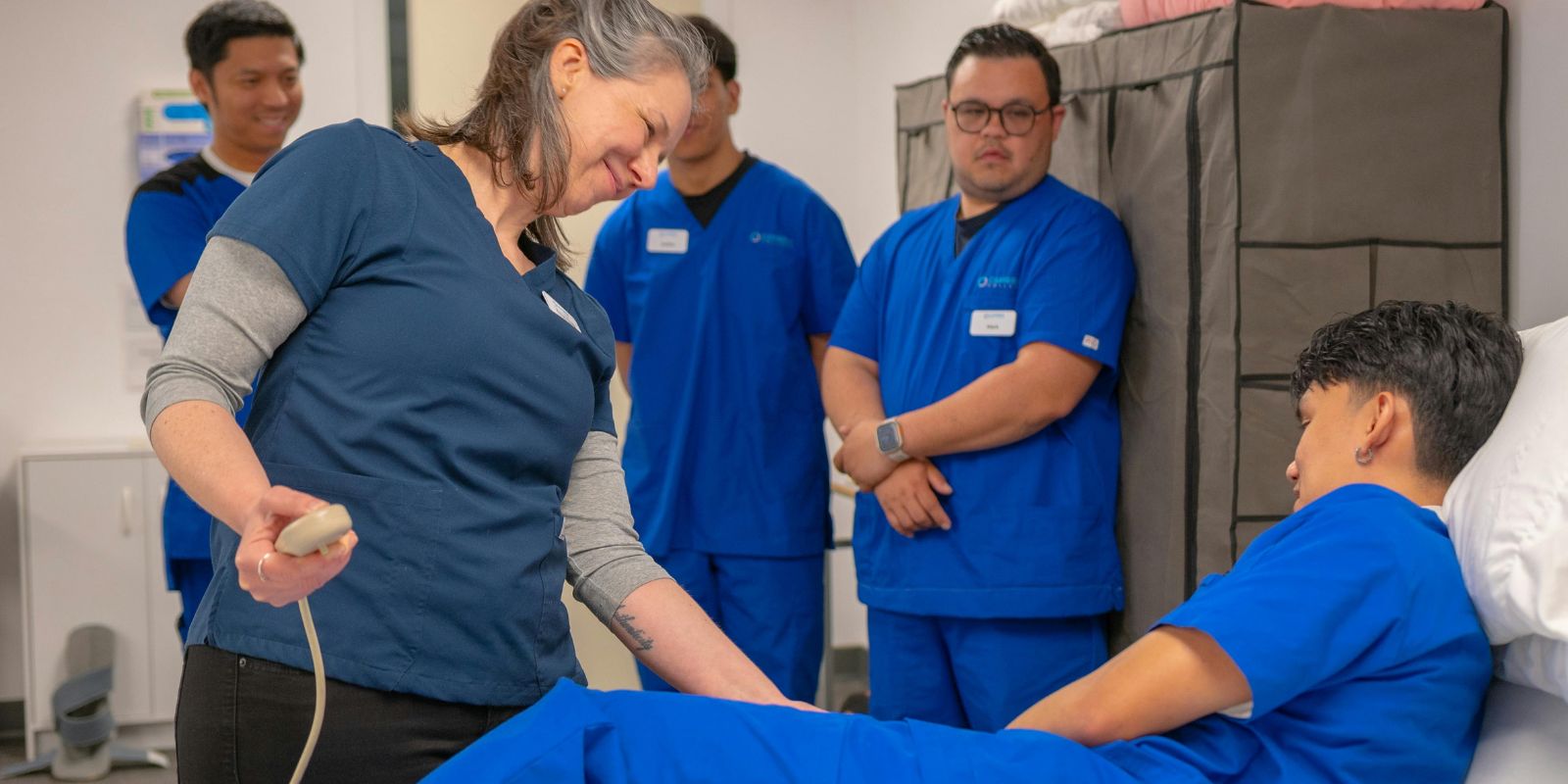
Solving Healthcare Workforce Shortages Effectively
Introduction
Healthcare systems around the world are facing an unprecedented workforce shortage. Hospitals, clinics, and healthcare organizations are struggling to find qualified professionals to meet the growing demand for patient care. The shortage of doctors, nurses, technicians, and support staff has become one of the most pressing challenges in the healthcare industry today.
Several factors contribute to this issue, including an aging population, increased healthcare needs, workforce burnout, and limited training capacity. As patient demand continues to rise, healthcare organizations must find innovative strategies to attract, retain, and efficiently manage their workforce.
Solving healthcare workforce shortages is not just about hiring more staff; it requires a strategic approach that includes workforce planning, technology adoption, flexible staffing models, and improved working conditions. By implementing effective solutions, healthcare providers can ensure better patient care, improved staff satisfaction, and long-term sustainability.
Understanding the Healthcare Workforce Shortage
Healthcare workforce shortages occur when the demand for healthcare professionals exceeds the available supply. This imbalance affects many roles within the healthcare sector, including physicians, nurses, pharmacists, therapists, and administrative staff.
Several global trends have intensified this shortage:
Aging Population
As populations age, the demand for healthcare services increases significantly. Older adults require more frequent medical care, chronic disease management, and long-term treatment. This creates additional pressure on already limited healthcare staff.
Increased Healthcare Demand
Advancements in medical technology and improved access to healthcare services have led to increased patient visits. While this progress benefits patients, it also means healthcare facilities must serve more people with limited staff.
Workforce Burnout
Healthcare professionals often work long hours under high-pressure conditions. The stress associated with patient care, especially during crises like pandemics, leads to burnout and high turnover rates among healthcare workers.
Limited Education and Training Capacity
Medical schools and nursing programs cannot always produce enough graduates to meet workforce demand. Training healthcare professionals requires significant resources, time, and infrastructure.
The Impact of Workforce Shortages
Healthcare workforce shortages have far-reaching consequences for patients, providers, and healthcare systems.
Reduced Quality of Care
When healthcare facilities operate with insufficient staff, patient care quality can suffer. Healthcare workers may be forced to manage more patients than they can safely handle.
Longer Wait Times
Patients often experience longer wait times for appointments, treatments, and surgeries due to staff shortages.
Increased Workload for Existing Staff
Healthcare workers frequently take on additional responsibilities to compensate for staffing gaps, which increases stress levels and contributes to burnout.
Financial Pressure on Healthcare Facilities
Hospitals often rely on expensive temporary staff or overtime payments to maintain operations, increasing operational costs.
Strategies for Solving Healthcare Workforce Shortages
Healthcare organizations must adopt strategic solutions to address workforce shortages effectively. The following approaches can help build a stronger and more sustainable healthcare workforce.
1. Expanding Healthcare Education and Training
One of the most effective long-term solutions is increasing the number of trained healthcare professionals entering the workforce.
Governments and healthcare institutions should invest in:
- Expanding medical and nursing school capacity
- Offering scholarships and financial support
- Developing accelerated training programs
- Supporting continuous professional development
Encouraging more students to pursue healthcare careers can help build a strong talent pipeline.
2. Leveraging Healthcare Staffing Agencies
Healthcare staffing agencies play a critical role in filling workforce gaps. These agencies provide temporary, contract, and permanent healthcare professionals to hospitals and clinics in need.
Benefits include:
- Faster hiring processes
- Access to specialized professionals
- Flexible workforce management
- Reduced recruitment burden for healthcare organizations
Staffing solutions help healthcare providers quickly respond to fluctuating patient demands.
3. Improving Employee Retention
Retaining existing healthcare workers is just as important as recruiting new ones. High turnover rates worsen staffing shortages and increase recruitment costs.
Healthcare organizations can improve retention by:
- Offering competitive salaries and benefits
- Providing career growth opportunities
- Promoting work-life balance
- Creating supportive workplace environments
- Implementing mental health support programs
Employees who feel valued and supported are more likely to remain in their roles.
4. Adopting Flexible Staffing Models
Flexible staffing models allow healthcare organizations to adapt to changing workforce needs.
Examples include:
- Temporary staffing
- Contract-based employment
- Per diem staffing
- Part-time healthcare professionals
These models help healthcare facilities manage peak demand periods without overburdening full-time staff.
5. Utilizing Technology and Automation
Technology can significantly reduce administrative workloads and improve efficiency in healthcare operations.
Examples include:
- Electronic Health Records (EHR) systems
- AI-assisted diagnostics
- Telemedicine platforms
- Automated scheduling systems
By automating repetitive tasks, healthcare professionals can focus more on patient care rather than administrative work.
6. Expanding Telehealth Services
Telehealth has become an important solution for managing healthcare workforce shortages. Virtual consultations allow healthcare providers to treat more patients without requiring physical presence in healthcare facilities.
Benefits of telehealth include:
- Improved access to healthcare services
- Reduced patient travel time
- Increased efficiency for healthcare providers
- Better management of chronic conditions
Telehealth helps extend healthcare services to underserved and remote areas.
7. Strengthening Workforce Planning
Healthcare organizations must adopt long-term workforce planning strategies to anticipate future staffing needs.
Workforce planning includes:
- Predicting patient demand
- Assessing workforce supply
- Identifying skill gaps
- Developing recruitment strategies
Data-driven workforce planning helps healthcare providers prepare for future challenges and avoid sudden staffing crises.
8. Encouraging International Recruitment
Many countries address workforce shortages by recruiting healthcare professionals from international markets. International recruitment can help fill critical skill gaps and support healthcare systems experiencing staff shortages.
However, ethical recruitment practices and proper integration programs are essential to ensure a smooth transition for international healthcare workers.
9. Enhancing Workplace Culture
A positive workplace culture plays a crucial role in attracting and retaining healthcare professionals.
Healthcare leaders should focus on:
- Strong leadership support
- Transparent communication
- Recognition programs
- Team collaboration
- Safe working environments
A supportive culture increases employee satisfaction and reduces burnout.
10. Supporting Career Development
Healthcare professionals value opportunities for learning and growth. Organizations that invest in employee development can improve retention and build a skilled workforce.
Career development initiatives may include:
- Specialized training programs
- Leadership development courses
- Certification opportunities
- Mentorship programs
Providing clear career pathways encourages healthcare professionals to stay within the organization.
The Role of Leadership in Workforce Solutions
Healthcare leadership plays a critical role in addressing workforce shortages. Leaders must take proactive steps to create strategies that support workforce sustainability.
Effective leadership involves:
- Strategic workforce planning
- Investment in employee well-being
- Adoption of innovative staffing models
- Collaboration with educational institutions
Strong leadership ensures that workforce strategies align with organizational goals and patient care needs.
Future Outlook of the Healthcare Workforce
While workforce shortages remain a major challenge, the healthcare industry is actively developing solutions to address this issue. The future of healthcare staffing will likely include a combination of technology, flexible workforce models, and stronger talent pipelines.
Healthcare organizations that adopt innovative workforce strategies today will be better prepared to meet future patient demands. By prioritizing workforce development, healthcare systems can build resilient teams capable of delivering high-quality care.
Conclusion
Healthcare workforce shortages represent a complex challenge that requires coordinated efforts from healthcare organizations, governments, educational institutions, and staffing agencies. Simply increasing hiring is not enough; sustainable solutions must focus on workforce development, employee retention, flexible staffing models, and technological innovation.
By expanding training programs, leveraging staffing solutions, supporting employee well-being, and embracing digital healthcare tools, organizations can effectively address workforce shortages.
Ultimately, solving healthcare workforce shortages is essential for ensuring high-quality patient care, maintaining efficient healthcare systems, and building a stronger future for the healthcare industry.