
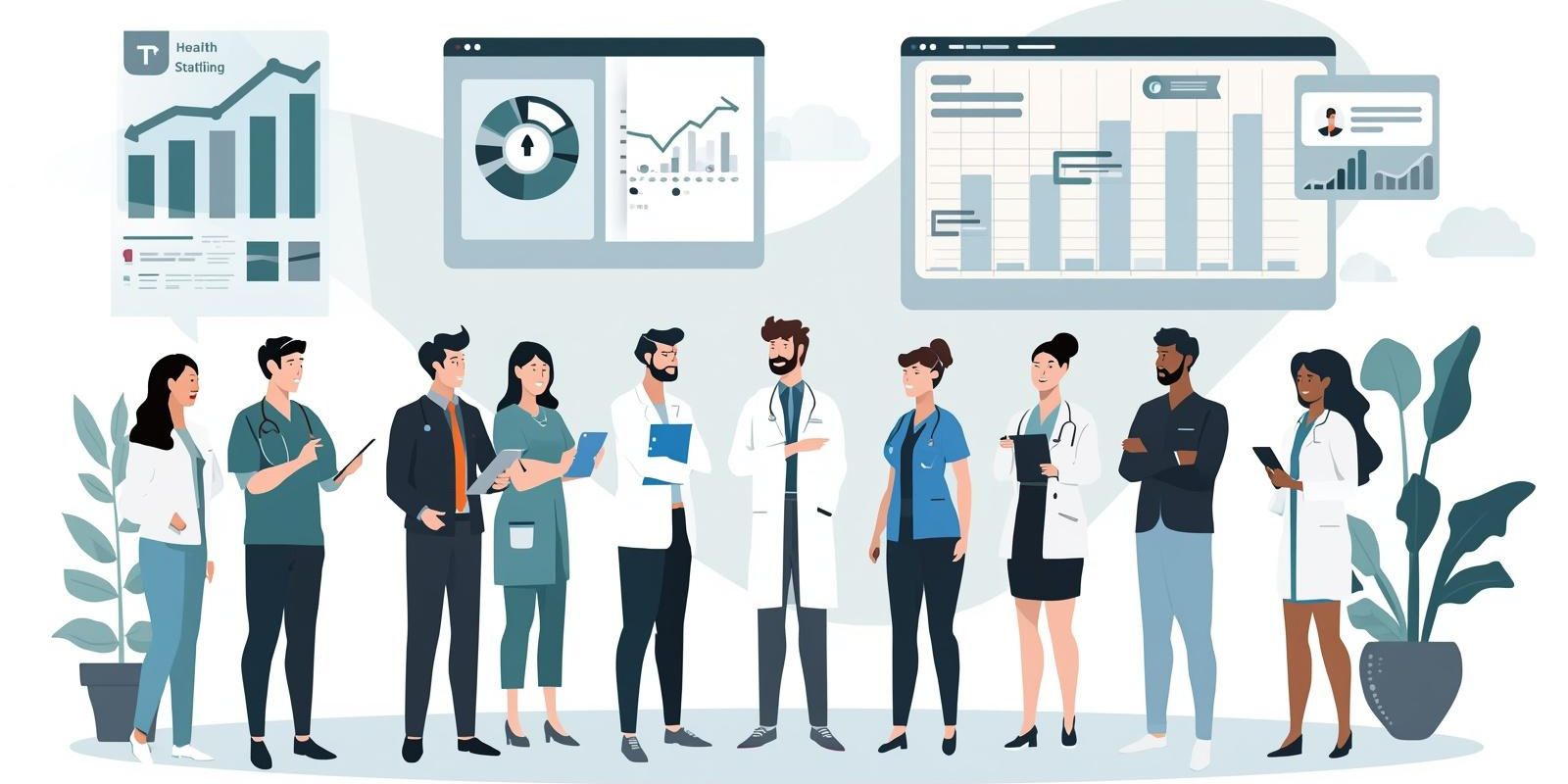
Modern Healthcare Staffing Trends Driving Growth
The healthcare industry is undergoing a profound transformation, driven by technological advancements, evolving patient needs, and ongoing workforce challenges. One of the most critical areas experiencing this shift is healthcare staffing. As organizations strive to deliver high-quality care while managing costs and operational efficiency, modern staffing trends are playing a pivotal role in driving sustainable growth.
Healthcare providers, hospitals, and staffing agencies must adapt to these emerging trends to remain competitive and resilient in a rapidly changing environment. This article explores the most impactful healthcare staffing trends shaping the industry and how they contribute to organizational growth.
1. Growing Demand Due to Workforce Shortages
One of the most significant drivers of change in healthcare staffing is the persistent shortage of skilled professionals. The global healthcare industry is facing a critical gap in physicians, nurses, and allied health workers. Projections suggest a severe shortage of healthcare professionals in the coming decade, which is pushing organizations to rethink their hiring strategies.
Additionally, the increasing aging population and rising patient volumes are intensifying the demand for healthcare services. This imbalance between demand and supply is accelerating the adoption of innovative staffing solutions and contributing to the growth of the healthcare staffing market, which is projected to expand significantly in the coming years.
2. Rise of Flexible Staffing Models
Flexibility has become a cornerstone of modern healthcare staffing. Traditional full-time employment models are being replaced or supplemented by more agile staffing approaches such as:
- Travel nursing
- Per diem staffing
- Contract-based roles
- Locum tenens
These models allow healthcare facilities to quickly respond to fluctuating patient volumes and staffing shortages. At the same time, they provide healthcare professionals with greater control over their schedules and work-life balance.
Flexible staffing is no longer a temporary solution but a long-term strategy that supports scalability and operational efficiency.
3. Integration of Technology in Staffing
Technology is revolutionizing healthcare staffing in unprecedented ways. From AI-driven recruitment platforms to automated scheduling systems, digital tools are streamlining the hiring process and improving workforce management.
Key technological advancements include:
- AI-powered candidate screening
- Automated credential verification
- Mobile staffing apps
- Workforce analytics
These innovations reduce time-to-hire, enhance candidate experience, and enable data-driven decision-making. Healthcare organizations leveraging technology are better equipped to optimize staffing levels and improve overall efficiency.
4. Shift Toward Internal Resource Pools
To reduce dependency on external staffing agencies and control costs, many healthcare organizations are developing internal resource pools. These pools consist of part-time, per diem, or float staff who can be deployed across departments as needed.
This approach offers several benefits:
- Reduced staffing costs
- Improved workforce utilization
- Greater control over staffing operations
- Enhanced employee engagement
Internal resource pools provide a flexible and cost-effective alternative to traditional staffing models, contributing to long-term organizational growth.
5. Emphasis on Employee Well-being and Retention
Healthcare professionals often face high levels of stress, burnout, and job dissatisfaction. As a result, organizations are increasingly focusing on employee well-being and retention strategies.
Modern staffing trends prioritize:
- Mental health support programs
- Flexible scheduling
- Competitive compensation
- Career development opportunities
Surveys indicate that a significant percentage of healthcare workers feel underpaid and seek better working conditions, highlighting the importance of retention-focused strategies.
By investing in employee satisfaction, healthcare organizations can reduce turnover rates, improve productivity, and ensure continuity of care.
6. Growth of Telehealth and Remote Staffing
The rise of telehealth has transformed how healthcare services are delivered and staffed. Remote consultations, virtual care, and digital health platforms are creating new opportunities for remote staffing.
Healthcare organizations are now hiring:
- Telehealth physicians
- Remote nurses
- Virtual care coordinators
- Health IT specialists
This trend not only expands access to care but also allows organizations to tap into a broader talent pool, regardless of geographical constraints.
7. Increasing Demand for Specialized Skills
Modern healthcare is becoming more complex, requiring specialized skills and expertise. There is a growing demand for professionals with niche competencies in areas such as:
- Critical care
- Oncology
- Geriatrics
- Health informatics
Facilities are willing to offer premium compensation for specialized talent, making skill-based hiring a key trend in healthcare staffing.
This shift is encouraging continuous learning and upskilling among healthcare professionals, further contributing to industry growth.
8. Data-Driven Workforce Planning
Data analytics is playing an increasingly important role in healthcare staffing. Organizations are leveraging workforce data to:
- Predict staffing needs
- Optimize scheduling
- Reduce labor costs
- Improve patient outcomes
Advanced analytics tools enable healthcare providers to make informed decisions and proactively address staffing challenges. This data-driven approach enhances operational efficiency and supports long-term growth.
9. Real-Time Payment and Financial Flexibility
Another emerging trend in healthcare staffing is the adoption of real-time payment systems. Healthcare professionals are increasingly seeking faster and more flexible payment options.
Organizations that offer:
- Daily or weekly pay
- Instant wage access
- Transparent compensation structures
gain a competitive advantage in attracting and retaining talent. Real-time payment systems are becoming a standard expectation in modern healthcare staffing.
10. Shift from Crisis Management to Strategic Workforce Planning
During the COVID-19 pandemic, healthcare staffing was largely reactive, focused on addressing immediate shortages. However, the industry is now transitioning toward proactive and strategic workforce planning.
Organizations are:
- Investing in long-term staffing strategies
- Building talent pipelines
- Strengthening workforce resilience
This shift marks a significant evolution in healthcare staffing, positioning it as a strategic function that drives organizational growth rather than merely supporting operations.
11. Rise of Digital Staffing Platforms
Digital staffing platforms are transforming how healthcare professionals connect with employers. These platforms enable:
- Faster job matching
- Transparent communication
- Simplified onboarding
They also empower healthcare workers to choose assignments that align with their preferences, improving job satisfaction and engagement.
The adoption of digital platforms is accelerating the shift toward a more flexible and efficient staffing ecosystem.
12. Focus on Upskilling and Continuous Learning
As healthcare evolves, so do the skills required to deliver quality care. Organizations are investing in training and development programs to upskill their workforce.
Key focus areas include:
- Digital literacy
- Clinical specialization
- Leadership development
Upskilling not only enhances employee performance but also ensures that organizations remain competitive in a rapidly changing industry.
Conclusion
Modern healthcare staffing trends are reshaping the industry and driving growth in unprecedented ways. From flexible work models and technological integration to employee well-being and data-driven planning, these trends are enabling healthcare organizations to adapt to changing demands and deliver better patient outcomes.
As the healthcare landscape continues to evolve, organizations that embrace these trends will be better positioned to overcome challenges, attract top talent, and achieve sustainable growth. By adopting innovative staffing strategies and prioritizing workforce optimization, healthcare providers can build a resilient and future-ready workforce.