
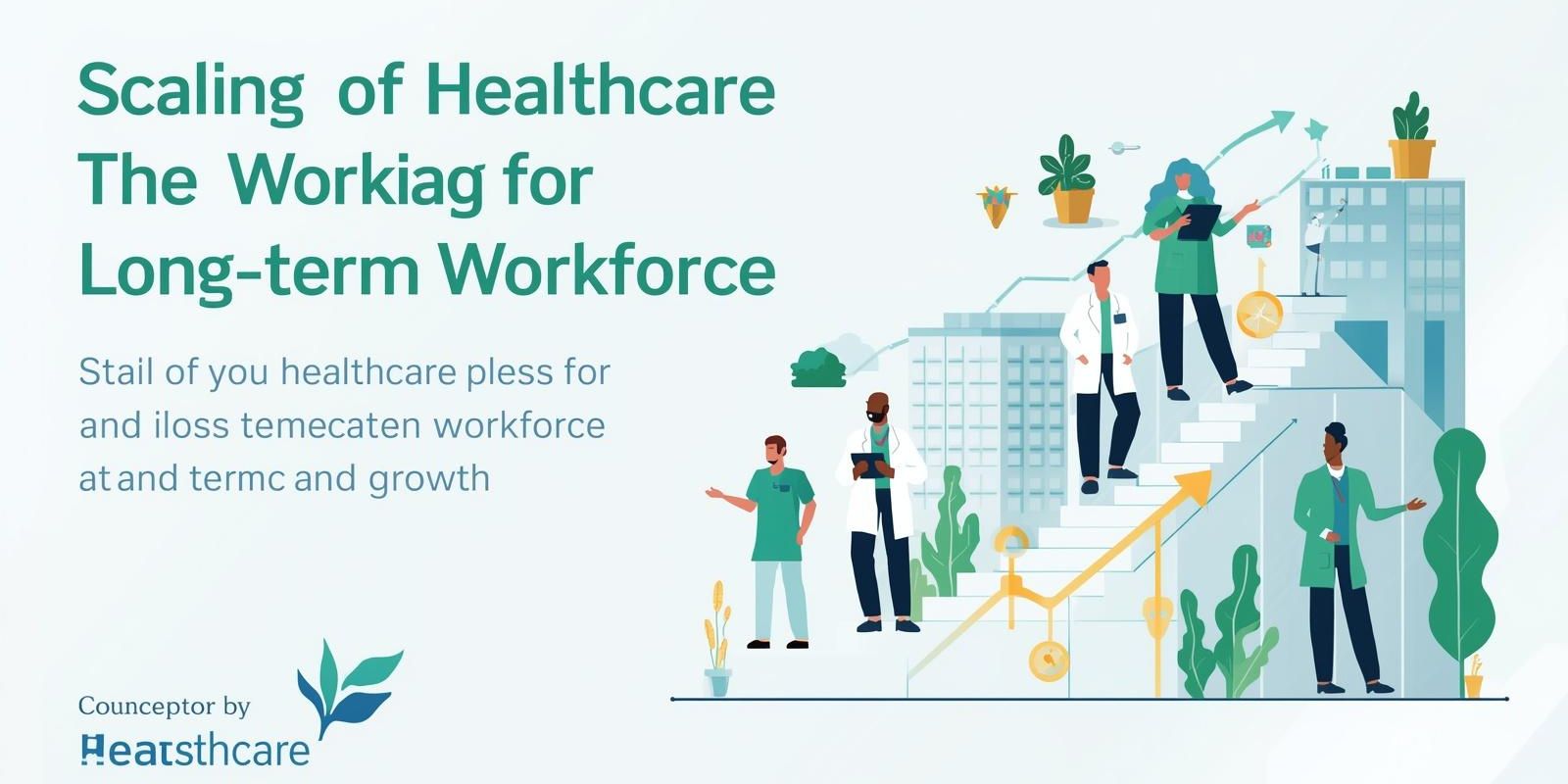
Scaling Healthcare Workforce For Growth
The healthcare industry is undergoing rapid transformation, driven by technological innovation, demographic shifts, and rising patient expectations. As demand for healthcare services grows, organizations must ensure that their workforce strategies are scalable, sustainable, and future-ready. Scaling a healthcare workforce is not just about hiring more staff—it involves building systems, processes, and cultures that support long-term growth while maintaining high-quality patient care.
In this article, we explore how healthcare organizations can effectively scale their workforce for long-term success.
Understanding the Need for Workforce Scaling
Healthcare demand is increasing due to aging populations, chronic disease prevalence, and expanding access to care. Hospitals, clinics, and healthcare systems must be prepared to meet these demands without compromising quality or efficiency.
Scaling the workforce allows organizations to:
- Handle increased patient volumes
- Expand service offerings
- Improve patient outcomes
- Enhance operational efficiency
However, scaling without a clear strategy can lead to inefficiencies, burnout, and high turnover rates. Therefore, a structured approach is essential.
Building a Strategic Workforce Plan
A long-term workforce scaling strategy begins with careful planning. Organizations must assess current workforce capabilities and forecast future needs.
Key Steps:
- Workforce Analysis
Evaluate existing staff, roles, and skill gaps. - Demand Forecasting
Predict patient demand based on population trends and service expansion plans. - Capacity Planning
Determine how many professionals are needed across departments. - Budget Alignment
Ensure workforce plans align with financial resources.
Strategic planning ensures that scaling efforts are proactive rather than reactive.
Leveraging Technology for Workforce Expansion
Technology plays a vital role in scaling healthcare teams efficiently. Digital tools can streamline operations and reduce administrative burdens.
Key Technologies:
- Telemedicine Platforms
Enable remote consultations and reduce the need for physical infrastructure. - Workforce Management Systems
Optimize scheduling, staffing, and resource allocation. - Artificial Intelligence (AI)
Assist in diagnostics, patient triaging, and predictive analytics. - Electronic Health Records (EHRs)
Improve coordination and efficiency across teams.
By integrating technology, healthcare organizations can maximize productivity without proportionally increasing workforce size.
Strengthening Recruitment Strategies
Recruitment is a cornerstone of workforce scaling. Healthcare organizations must adopt modern hiring approaches to attract and retain top talent.
Effective Recruitment Practices:
- Employer Branding
Showcase organizational culture, growth opportunities, and benefits. - Diverse Talent Pools
Tap into global talent and non-traditional candidates. - Faster Hiring Processes
Reduce delays through streamlined recruitment workflows. - Partnerships with Institutions
Collaborate with medical colleges and training institutes.
A strong recruitment strategy ensures a steady pipeline of qualified professionals.
Investing in Training and Development
Scaling is not just about adding new employees—it also involves enhancing the skills of existing staff.
Key Focus Areas:
- Continuous medical education
- Leadership development programs
- Cross-functional training
- Digital skill enhancement
Upskilling employees improves performance, boosts morale, and reduces dependency on external hiring.
Enhancing Employee Retention
Retention is critical for long-term workforce sustainability. High turnover can disrupt operations and increase costs.
Retention Strategies:
- Competitive compensation and benefits
- Flexible work arrangements
- Mental health support and wellness programs
- Career growth opportunities
Creating a supportive work environment encourages employees to stay and grow within the organization.
Adopting Flexible Staffing Models
Traditional full-time staffing models may not be sufficient for scaling healthcare operations. Flexible models provide agility and cost efficiency.
Common Models:
- Contract Staffing
- Part-Time Roles
- Locum Tenens Professionals
- Outsourcing and Managed Services
These models allow organizations to adjust workforce levels based on demand fluctuations.
Promoting Workforce Diversity and Inclusion
A diverse workforce enhances innovation, improves patient care, and reflects the communities served.
Benefits:
- Better cultural competence
- Improved patient satisfaction
- Enhanced team collaboration
Healthcare organizations should implement inclusive hiring practices and foster an environment of equality and respect.
Strengthening Leadership and Management
Effective leadership is essential for managing a growing workforce. Leaders must be equipped to handle larger teams and complex operations.
Leadership Focus Areas:
- Communication and transparency
- Decision-making under pressure
- Change management
- Team motivation and engagement
Strong leadership ensures that scaling efforts are aligned with organizational goals.
Ensuring Compliance and Quality Standards
As workforce size increases, maintaining compliance and quality becomes more challenging.
Key Considerations:
- Adherence to healthcare regulations
- Standardized protocols and procedures
- Continuous quality monitoring
- Accreditation requirements
Organizations must implement robust systems to ensure consistent care delivery.
Measuring Workforce Performance
Tracking performance is essential to evaluate the effectiveness of scaling strategies.
Key Metrics:
- Patient satisfaction scores
- Staff productivity levels
- Turnover rates
- Time-to-hire
- Cost per hire
Data-driven insights help organizations refine their workforce strategies over time.
Addressing Workforce Challenges
Scaling a healthcare workforce comes with challenges that must be proactively managed.
Common Challenges:
- Talent shortages
- Employee burnout
- Rising labor costs
- Regulatory complexities
Solutions include investing in automation, improving work-life balance, and adopting innovative staffing models.
The Role of Workforce Outsourcing
Outsourcing can be a powerful tool for scaling healthcare operations. Recruitment Process Outsourcing (RPO) and Managed Workforce Solutions provide access to expertise and resources.
Benefits:
- Faster hiring
- Cost efficiency
- Access to specialized talent
- Reduced administrative burden
Outsourcing partners can support organizations in achieving scalable growth.
Future Trends in Healthcare Workforce Scaling
The future of healthcare workforce management will be shaped by several trends:
- Increased use of AI and automation
- Growth of remote healthcare services
- Emphasis on employee well-being
- Expansion of global talent sourcing
- Integration of data-driven decision-making
Organizations that embrace these trends will be better positioned for long-term success.
Conclusion
Scaling a healthcare workforce for long-term growth requires a strategic and holistic approach. It involves not only hiring more professionals but also leveraging technology, improving processes, and fostering a supportive work environment.
By focusing on planning, recruitment, training, retention, and innovation, healthcare organizations can build a resilient workforce capable of meeting future challenges. Sustainable workforce scaling ultimately leads to better patient outcomes, improved efficiency, and long-term organizational success.