
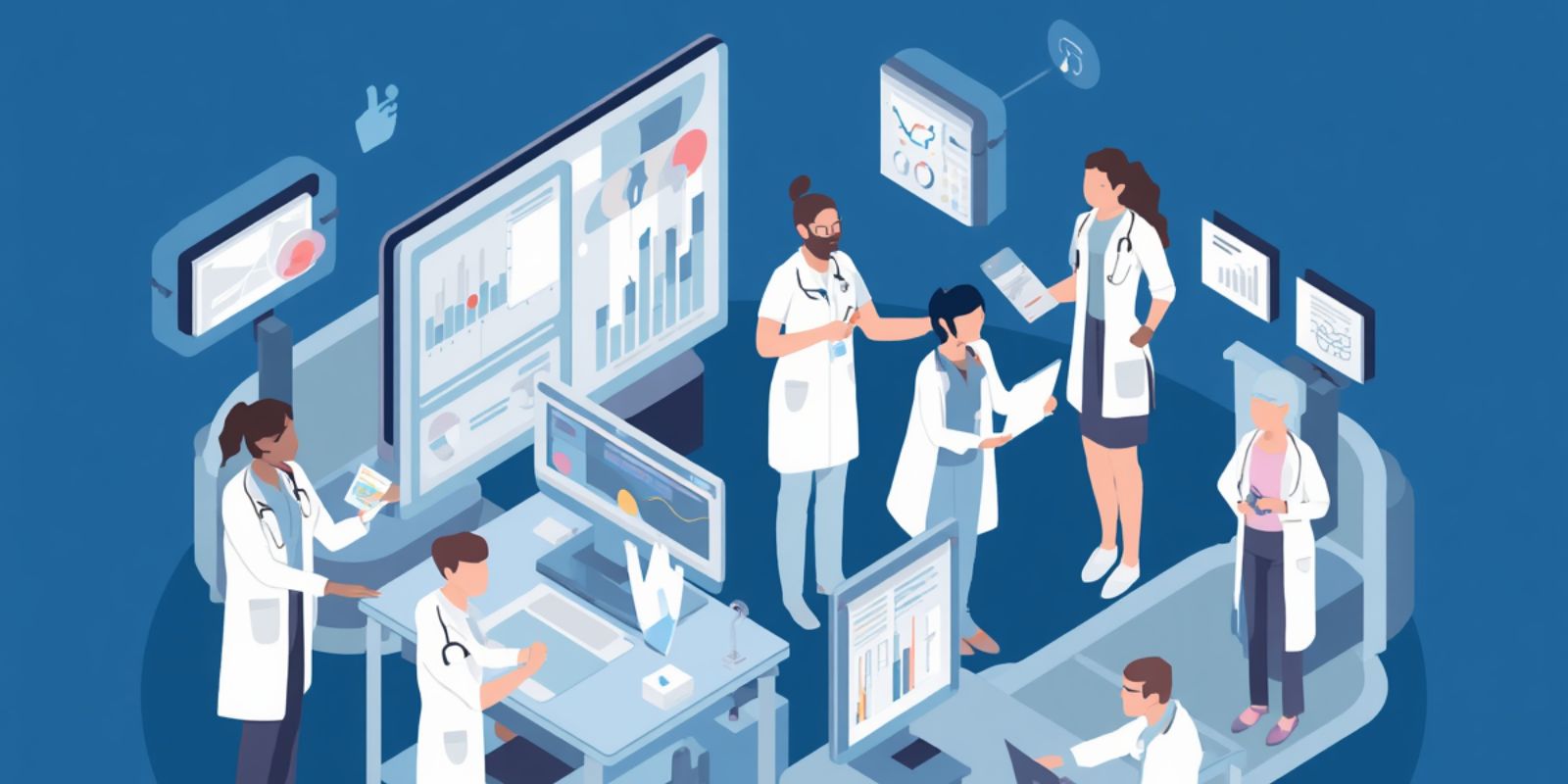
Agile Workforce Strategies in Healthcare Growth
The healthcare industry is undergoing a rapid transformation driven by technological advancements, evolving patient expectations, and increasing demand for quality care. In this dynamic environment, organizations must adopt agile workforce strategies to remain competitive and sustainable. Agile workforce strategies focus on flexibility, responsiveness, and continuous improvement, enabling healthcare providers to efficiently manage resources while delivering high-quality patient care.
Understanding Agile Workforce Strategies in Healthcare
Agile workforce strategies involve creating a flexible and adaptive staffing model that can quickly respond to changes in patient demand, regulatory requirements, and technological advancements. Unlike traditional workforce models, which are often rigid and slow to adapt, agile strategies prioritize collaboration, innovation, and scalability.
In healthcare, agility is especially critical due to unpredictable patient volumes, emergencies, and the need for specialized skills. By implementing agile workforce practices, healthcare organizations can optimize staffing levels, reduce burnout, and improve overall operational efficiency.
Importance of Agile Workforce Strategies in Healthcare Growth
Healthcare growth is closely tied to the ability to deliver consistent, high-quality services while managing costs effectively. Agile workforce strategies play a crucial role in achieving these goals by:
- Enhancing workforce flexibility
- Improving patient outcomes
- Reducing operational costs
- Increasing employee satisfaction
- Supporting innovation and digital transformation
As healthcare systems expand, the need for a responsive and resilient workforce becomes even more critical. Agile strategies help organizations scale their operations without compromising on quality or efficiency.
Key Components of Agile Workforce Strategies
1. Flexible Staffing Models
Flexible staffing is the cornerstone of an agile workforce. This includes the use of part-time staff, temporary workers, and contract professionals to meet fluctuating demand. Healthcare organizations can also implement float pools, where staff members are trained to work across multiple departments.
2. Cross-Training and Skill Development
Cross-training employees allows healthcare providers to build a versatile workforce capable of handling multiple roles. This not only improves efficiency but also ensures continuity of care during staff shortages or emergencies.
Continuous learning and upskilling programs are essential to keep employees updated with the latest medical technologies and practices.
3. Technology Integration
Digital tools and workforce management systems play a vital role in enabling agility. Technologies such as AI-driven scheduling, telehealth platforms, and data analytics help organizations make informed staffing decisions and optimize resource allocation.
Automation of administrative tasks also allows healthcare professionals to focus more on patient care.
4. Employee-Centric Approach
An agile workforce strategy prioritizes employee well-being and engagement. By offering flexible work schedules, remote work options (where possible), and career development opportunities, healthcare organizations can improve job satisfaction and retention rates.
Reducing burnout is particularly important in healthcare, where high stress levels can impact both staff performance and patient outcomes.
5. Data-Driven Decision Making
Agile organizations rely on real-time data to make strategic workforce decisions. By analyzing patient trends, staffing patterns, and performance metrics, healthcare leaders can anticipate demand and adjust their workforce accordingly.
Predictive analytics can also help in identifying potential staffing gaps and planning recruitment strategies in advance.
Benefits of Agile Workforce Strategies in Healthcare
Improved Patient Care
With the right staff available at the right time, healthcare organizations can provide timely and efficient care. Agile staffing ensures that patient needs are met without delays, leading to better outcomes and higher satisfaction levels.
Cost Efficiency
By optimizing workforce utilization, healthcare providers can reduce unnecessary labor costs. Flexible staffing models prevent overstaffing during low-demand periods while ensuring adequate coverage during peak times.
Enhanced Workforce Productivity
Agile strategies promote collaboration and innovation, leading to increased productivity. Employees who are well-trained and engaged are more likely to perform efficiently and contribute to organizational success.
Greater Resilience
Healthcare systems must be prepared to handle crises such as pandemics or natural disasters. Agile workforce strategies enable organizations to quickly adapt to changing circumstances and maintain continuity of care.
Challenges in Implementing Agile Workforce Strategies
While the benefits are significant, implementing agile workforce strategies in healthcare comes with its own set of challenges:
- Resistance to change from staff and management
- Limited access to advanced technology
- Regulatory and compliance constraints
- Skill gaps and training requirements
- Coordination complexities across departments
To overcome these challenges, healthcare organizations must invest in change management, training programs, and technology infrastructure.
Best Practices for Successful Implementation
1. Develop a Clear Strategy
Organizations should define their goals and align workforce strategies with overall business objectives. A clear roadmap ensures smooth implementation and measurable outcomes.
2. Invest in Technology
Adopting advanced workforce management tools is essential for enabling agility. These tools provide real-time insights and streamline operations.
3. Foster a Culture of Adaptability
Encouraging a culture that embraces change and innovation is key to successful implementation. Leadership should actively promote collaboration and continuous improvement.
4. Focus on Employee Engagement
Engaged employees are more likely to adapt to new strategies. Providing support, training, and growth opportunities helps build a motivated workforce.
5. Monitor and Evaluate Performance
Regularly assessing the effectiveness of workforce strategies allows organizations to identify areas for improvement and make necessary adjustments.
The Role of Leadership in Agile Workforce Transformation
Leadership plays a critical role in driving agile workforce strategies. Healthcare leaders must:
- Champion change and innovation
- Communicate vision and goals clearly
- Empower employees to take initiative
- Encourage collaboration across teams
Strong leadership ensures that agile practices are successfully integrated into the organizational culture.
Future Trends in Agile Healthcare Workforce
The future of healthcare workforce management will be shaped by several emerging trends:
- Increased adoption of telehealth and remote care
- Greater use of artificial intelligence in workforce planning
- Expansion of gig economy roles in healthcare
- Emphasis on personalized employee experiences
- Integration of advanced analytics for predictive decision-making
These trends highlight the growing importance of agility in managing healthcare workforces.
Conclusion
Agile workforce strategies are no longer optional in the healthcare industry—they are essential for growth and sustainability. By embracing flexibility, leveraging technology, and prioritizing employee well-being, healthcare organizations can build a resilient workforce capable of meeting evolving demands.
As the industry continues to transform, those who adopt agile workforce practices will be better positioned to deliver high-quality care, improve operational efficiency, and achieve long-term success. Investing in agility today will ensure a stronger, more adaptable healthcare system for the future.