
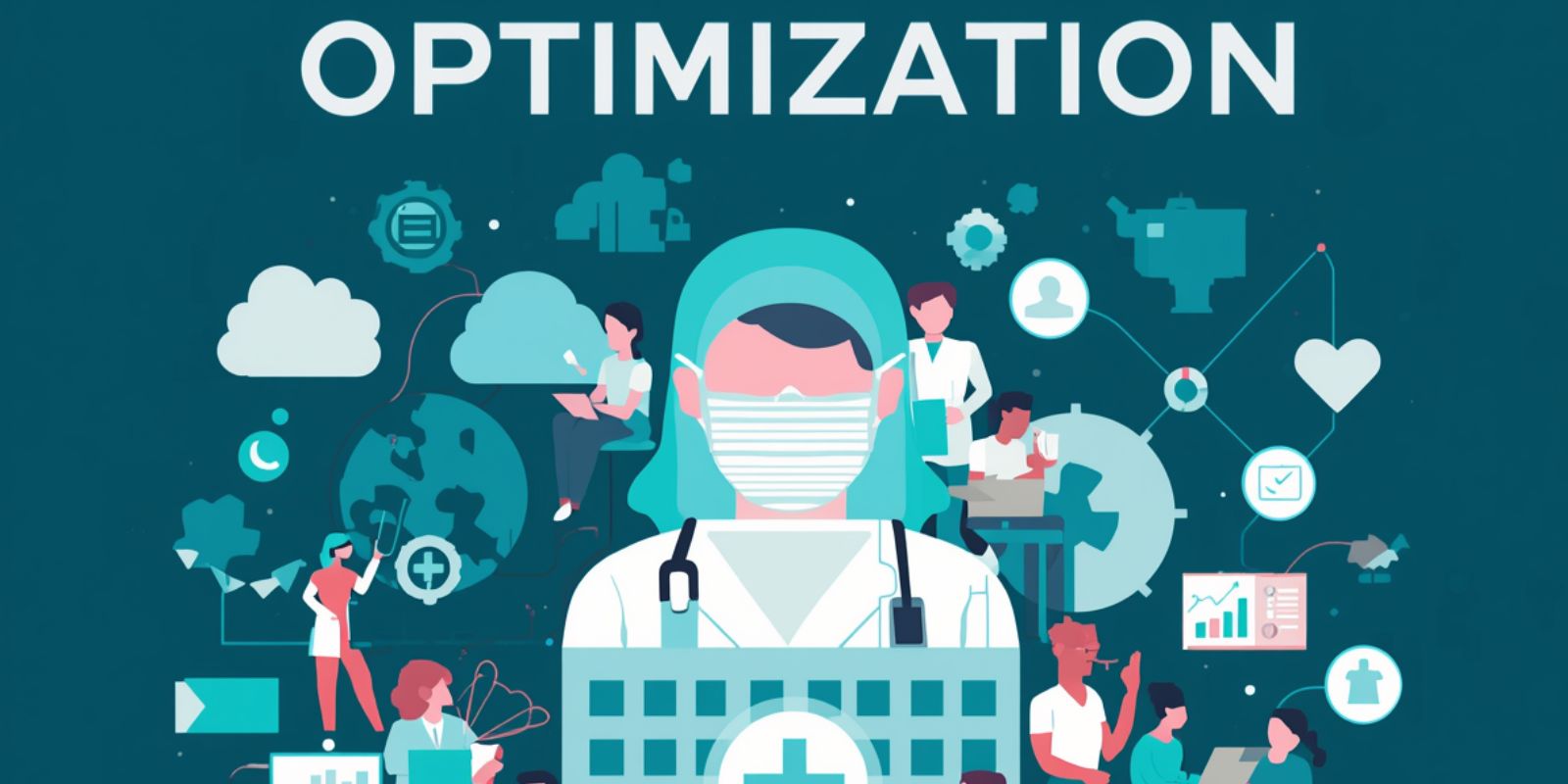
Workforce Optimization For Healthcare Industry Expansion
The healthcare industry is undergoing rapid transformation driven by increasing patient demands, technological advancements, and evolving regulatory requirements. As healthcare organizations strive to expand their services and improve patient outcomes, workforce optimization has emerged as a critical factor in achieving sustainable growth. Efficient workforce management ensures that healthcare providers can deliver high-quality care while controlling costs and enhancing operational efficiency.
Workforce optimization in healthcare goes beyond simple staffing. It involves strategic planning, skill alignment, performance management, and the effective use of technology to maximize employee productivity. In an industry where human capital is the backbone of service delivery, optimizing the workforce is essential for expansion and long-term success.
Understanding Workforce Optimization in Healthcare
Workforce optimization refers to the process of analyzing, managing, and aligning healthcare staff with organizational goals to improve efficiency and outcomes. It includes workforce planning, scheduling, training, and performance monitoring. The goal is to ensure that the right number of skilled professionals are available at the right time and place.
Healthcare organizations face unique challenges such as staff shortages, high turnover rates, and fluctuating patient volumes. Without proper workforce optimization, these challenges can hinder growth and compromise patient care. By implementing structured workforce strategies, healthcare providers can overcome these obstacles and position themselves for expansion.
Importance of Workforce Optimization for Expansion
Healthcare expansion requires a scalable and efficient workforce. As hospitals and clinics grow, they must ensure that their staffing levels and capabilities match increased demand. Workforce optimization plays a key role in enabling this scalability.
First, it improves resource utilization. By optimizing staff schedules and roles, healthcare organizations can reduce idle time and prevent overworking employees. This leads to better productivity and lower operational costs.
Second, it enhances patient care. When healthcare professionals are properly allocated, patients receive timely and quality treatment. This improves patient satisfaction and strengthens the organization’s reputation.
Third, workforce optimization supports financial performance. Efficient staffing reduces unnecessary labor costs and improves revenue cycle management, enabling organizations to invest in expansion initiatives.
Key Strategies for Workforce Optimization
1. Strategic Workforce Planning
Strategic workforce planning involves forecasting future staffing needs based on patient demand, service expansion, and organizational goals. Healthcare leaders must analyze data such as patient inflow, seasonal trends, and service requirements to determine staffing levels.
By adopting a proactive approach, organizations can avoid staff shortages and ensure smooth operations during expansion. Workforce planning also helps identify skill gaps and recruitment needs.
2. Skill-Based Staffing
Healthcare expansion often requires specialized skills. Assigning staff based on their expertise ensures that patients receive the best care while improving operational efficiency.
Skill-based staffing involves mapping employee competencies and aligning them with job roles. This reduces errors, enhances productivity, and supports better patient outcomes.
3. Leveraging Technology
Technology plays a crucial role in workforce optimization. Advanced workforce management systems help automate scheduling, track employee performance, and analyze workforce data.
Healthcare organizations can use artificial intelligence and predictive analytics to forecast staffing needs and optimize resource allocation. Digital tools also improve communication and coordination among healthcare teams.
4. Flexible Staffing Models
Flexible staffing models allow healthcare organizations to adapt to changing demands. This includes part-time staff, temporary workers, and telehealth professionals.
During peak periods, flexible staffing ensures adequate coverage without overburdening permanent employees. It also helps manage costs during low-demand periods.
5. Employee Training and Development
Continuous training is essential for workforce optimization. Healthcare professionals must stay updated with the latest medical practices, technologies, and regulations.
Training programs improve employee skills, boost confidence, and enhance job satisfaction. A well-trained workforce is better equipped to support organizational expansion and deliver high-quality care.
6. Performance Management
Monitoring and evaluating employee performance is critical for optimizing workforce efficiency. Healthcare organizations should establish clear performance metrics and provide regular feedback.
Performance management systems help identify high-performing employees and areas that need improvement. This ensures that the workforce remains aligned with organizational goals.
Benefits of Workforce Optimization
Improved Operational Efficiency
Optimized workforce management reduces inefficiencies and streamlines operations. Healthcare providers can manage patient flow more effectively and minimize delays.
Enhanced Patient Experience
Proper staffing ensures that patients receive timely care, leading to higher satisfaction levels. Positive patient experiences contribute to the organization’s growth and reputation.
Cost Reduction
Workforce optimization helps control labor costs by reducing overtime, minimizing idle time, and improving resource allocation. This allows organizations to allocate funds to expansion initiatives.
Increased Employee Satisfaction
When employees are properly managed and supported, they experience less burnout and higher job satisfaction. This reduces turnover rates and improves workforce stability.
Scalability
An optimized workforce provides the flexibility needed for expansion. Healthcare organizations can scale their operations without compromising efficiency or quality.
Challenges in Workforce Optimization
Despite its benefits, workforce optimization in healthcare comes with challenges. One of the primary challenges is staff shortage, particularly in specialized roles. Recruiting and retaining skilled professionals can be difficult.
Another challenge is resistance to change. Implementing new technologies and processes may face resistance from employees who are accustomed to traditional methods.
Data management is also a concern. Workforce optimization relies heavily on accurate data, and any inconsistencies can impact decision-making.
Additionally, maintaining work-life balance for healthcare professionals is crucial. Over-optimization can lead to burnout if not managed carefully.
Overcoming Challenges
Healthcare organizations can address these challenges by adopting a strategic approach. Investing in recruitment and retention programs helps attract skilled professionals. Offering competitive salaries, benefits, and career growth opportunities can improve employee retention.
Change management is essential for successful implementation of workforce optimization strategies. Organizations should involve employees in the process and provide training to ease the transition.
Data accuracy can be improved by using reliable workforce management systems. Regular audits and updates ensure that data remains accurate and useful.
To prevent burnout, organizations should prioritize employee well-being. Implementing flexible schedules and promoting a healthy work environment can enhance workforce sustainability.
Role of Leadership in Workforce Optimization
Leadership plays a crucial role in driving workforce optimization. Healthcare leaders must create a vision for efficient workforce management and ensure that it aligns with organizational goals.
Effective leaders promote a culture of collaboration, accountability, and continuous improvement. They also ensure that employees have access to the resources and support needed to perform their roles effectively.
Leadership involvement is particularly important during expansion, as it ensures that workforce strategies are aligned with growth objectives.
Future Trends in Healthcare Workforce Optimization
The future of workforce optimization in healthcare is shaped by technological advancements and changing workforce dynamics. Artificial intelligence and machine learning are expected to play a significant role in workforce planning and management.
Telehealth and remote work are also becoming more prevalent, allowing healthcare organizations to expand their reach without significantly increasing physical infrastructure.
Another emerging trend is the focus on employee well-being. Organizations are recognizing the importance of mental health and work-life balance in maintaining a productive workforce.
Additionally, data-driven decision-making will continue to drive workforce optimization. Advanced analytics will enable healthcare providers to make informed decisions and improve efficiency.
Conclusion
Workforce optimization is a vital component of healthcare industry expansion. By effectively managing human resources, healthcare organizations can enhance operational efficiency, improve patient care, and achieve sustainable growth.
Implementing strategies such as strategic workforce planning, skill-based staffing, and leveraging technology enables healthcare providers to overcome challenges and maximize their potential. While there are obstacles to workforce optimization, a proactive and strategic approach can help organizations navigate these challenges successfully.
As the healthcare industry continues to evolve, workforce optimization will remain a key driver of growth and innovation. Organizations that prioritize efficient workforce management will be better positioned to expand their services, meet patient needs, and achieve long-term success.