
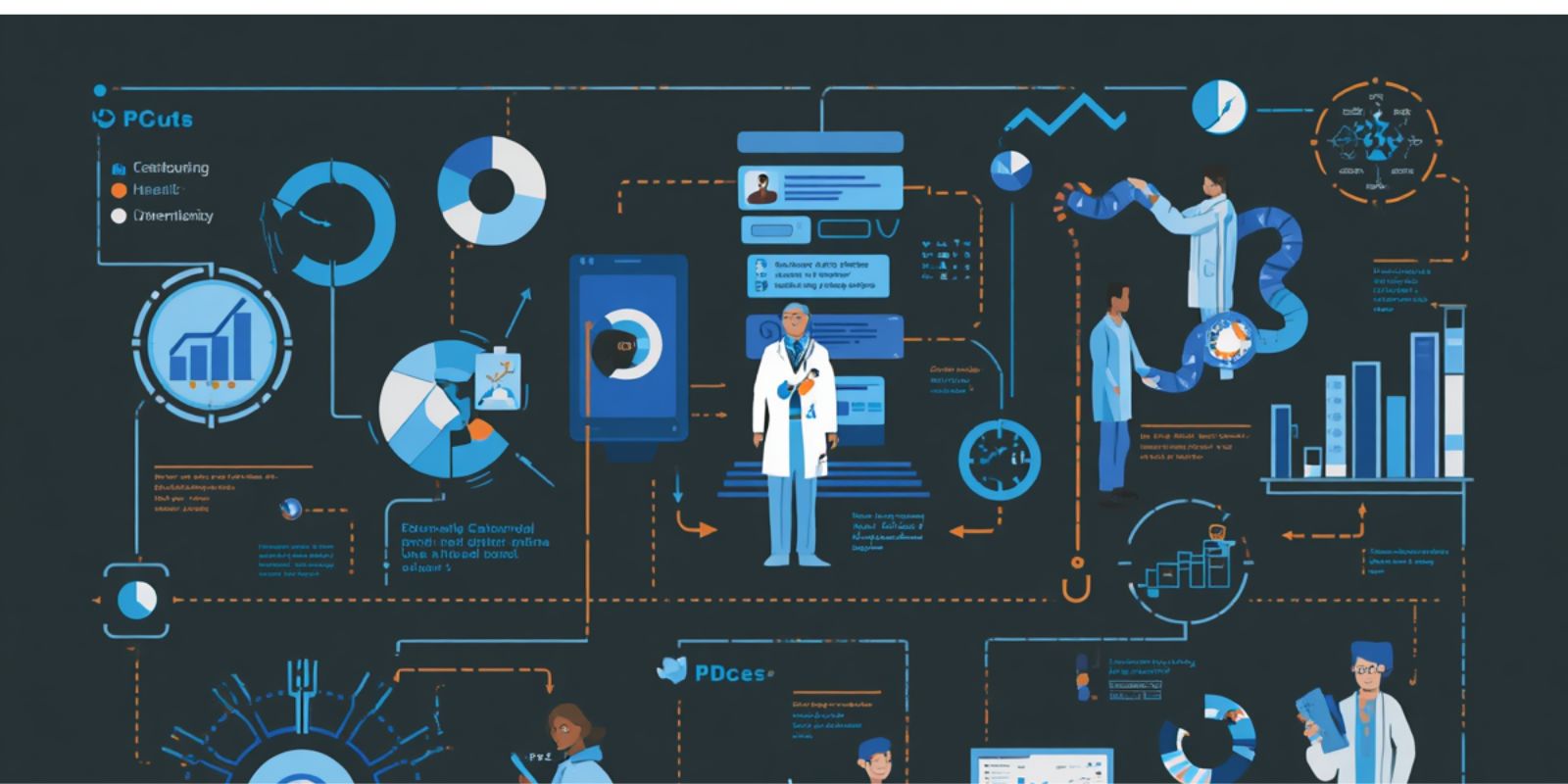
Healthcare Staffing Optimization For Operational Efficiency
Healthcare systems across the globe are under increasing pressure to deliver high-quality patient care while managing costs, workforce shortages, and rising demand. In such a dynamic environment, healthcare staffing optimization has emerged as a critical strategy for improving operational efficiency. It ensures that the right number of skilled professionals are available at the right time, ultimately enhancing patient outcomes, staff satisfaction, and organizational performance.
Understanding Healthcare Staffing Optimization
Healthcare staffing optimization refers to the strategic planning, allocation, and management of healthcare professionals to meet patient care demands effectively. It goes beyond simply filling vacancies; it involves aligning workforce capabilities with organizational goals, patient needs, and operational workflows.
This process includes forecasting demand, scheduling staff efficiently, minimizing overtime, reducing burnout, and ensuring compliance with regulatory standards. By leveraging data-driven insights and modern workforce management tools, healthcare organizations can optimize staffing levels without compromising care quality.
The Importance of Staffing Optimization in Healthcare
Healthcare is a labor-intensive industry, where workforce costs often account for a significant portion of total operational expenses. Inefficient staffing can lead to several challenges, including:
- Increased operational costs due to overstaffing or excessive overtime
- Reduced patient satisfaction caused by understaffing
- Staff burnout and high turnover rates
- Inefficient use of resources
Optimizing staffing helps address these issues by balancing workload distribution, improving staff productivity, and ensuring consistent patient care delivery.
Key Components of Effective Staffing Optimization
1. Workforce Demand Forecasting
Accurate forecasting is the foundation of staffing optimization. Healthcare organizations must analyze historical data, patient inflow trends, seasonal variations, and external factors such as public health emergencies.
Advanced analytics tools can help predict staffing needs based on patient acuity levels, admission rates, and service demand. This proactive approach allows administrators to prepare for fluctuations and avoid last-minute staffing shortages.
2. Skill Mix Optimization
Not all healthcare roles require the same level of expertise. Optimizing the skill mix involves assigning tasks to the most appropriate staff based on their qualifications and competencies.
For example, routine tasks can be handled by junior staff or support personnel, allowing highly skilled professionals like doctors and specialists to focus on complex cases. This improves efficiency while maintaining care quality.
3. Smart Scheduling Practices
Scheduling plays a crucial role in staffing optimization. Traditional scheduling methods often lead to inefficiencies, such as uneven workloads and employee dissatisfaction.
Modern scheduling solutions use algorithms to create balanced schedules that consider staff availability, preferences, and workload distribution. Features like shift swapping, self-scheduling, and real-time adjustments help improve flexibility and staff engagement.
4. Leveraging Technology
Technology is a key enabler of staffing optimization. Workforce management systems, artificial intelligence (AI), and automation tools can streamline staffing processes.
These technologies can:
- Automate scheduling and shift allocation
- Provide real-time visibility into staffing levels
- Identify gaps and suggest corrective actions
- Reduce administrative burden
By integrating technology into staffing strategies, healthcare organizations can make data-driven decisions and improve operational efficiency.
5. Reducing Staff Burnout
Burnout is a significant challenge in healthcare, often caused by long hours, high stress, and inadequate staffing. Optimization strategies aim to distribute workloads evenly and ensure adequate rest periods for employees.
Providing flexible work arrangements, mental health support, and fair scheduling practices can significantly reduce burnout and improve staff retention.
Benefits of Healthcare Staffing Optimization
Improved Patient Care
Optimized staffing ensures that patients receive timely and appropriate care. Adequate staffing levels reduce waiting times, prevent errors, and enhance overall patient experience.
Cost Efficiency
By minimizing overstaffing and reducing reliance on overtime or temporary staff, healthcare organizations can significantly lower labor costs.
Enhanced Employee Satisfaction
Balanced workloads and flexible scheduling contribute to higher job satisfaction among healthcare professionals. This leads to improved morale and reduced turnover rates.
Better Resource Utilization
Staffing optimization ensures that human resources are utilized effectively, avoiding wastage and maximizing productivity.
Increased Operational Agility
Healthcare organizations can respond more effectively to changes in demand, such as emergencies or seasonal surges, by having a well-optimized staffing model.
Challenges in Implementing Staffing Optimization
Despite its benefits, implementing staffing optimization is not without challenges:
- Resistance to change from staff accustomed to traditional systems
- Limited access to accurate and comprehensive data
- Budget constraints for adopting advanced technologies
- Complexity in managing diverse workforce roles
To overcome these challenges, healthcare organizations must invest in training, adopt a phased implementation approach, and foster a culture of continuous improvement.
Strategies for Successful Implementation
1. Data-Driven Decision Making
Collecting and analyzing data is essential for effective staffing optimization. Organizations should invest in tools that provide actionable insights into workforce performance and patient demand.
2. Employee Involvement
Engaging staff in the optimization process helps build trust and acceptance. Feedback from frontline workers can provide valuable insights into operational challenges and potential improvements.
3. Continuous Monitoring and Improvement
Staffing optimization is not a one-time effort. Organizations must continuously monitor performance metrics, identify gaps, and refine their strategies.
4. Integration with Organizational Goals
Staffing strategies should align with broader organizational objectives, such as improving patient outcomes, reducing costs, and enhancing service quality.
5. Training and Development
Providing training on new technologies and processes ensures smooth implementation and maximizes the benefits of staffing optimization initiatives.
Role of Leadership in Staffing Optimization
Leadership plays a crucial role in driving staffing optimization efforts. Healthcare leaders must:
- Set clear goals and expectations
- Promote a culture of efficiency and accountability
- Encourage innovation and adoption of new technologies
- Support staff during transitions
Strong leadership ensures that staffing optimization initiatives are effectively implemented and sustained over time.
Future Trends in Healthcare Staffing Optimization
The future of healthcare staffing optimization is shaped by technological advancements and evolving workforce dynamics. Key trends include:
Artificial Intelligence and Predictive Analytics
AI-driven tools will become increasingly sophisticated, enabling more accurate demand forecasting and real-time decision-making.
Telehealth and Remote Work
The rise of telehealth services is changing staffing requirements, allowing healthcare professionals to provide care remotely and increasing flexibility.
Workforce Flexibility
Flexible staffing models, including gig workers and part-time roles, will become more common to address workforce shortages and changing preferences.
Personalized Workforce Management
Organizations will focus on personalized scheduling and career development plans to enhance employee satisfaction and retention.
Conclusion
Healthcare staffing optimization is a vital strategy for achieving operational efficiency in today’s complex healthcare environment. By leveraging data, technology, and strategic planning, organizations can ensure the optimal use of their workforce while delivering high-quality patient care.
As the healthcare landscape continues to evolve, adopting innovative staffing solutions will be essential for staying competitive and meeting the growing demands of patients. Organizations that prioritize staffing optimization will not only improve their operational performance but also create a more sustainable and resilient healthcare system.