
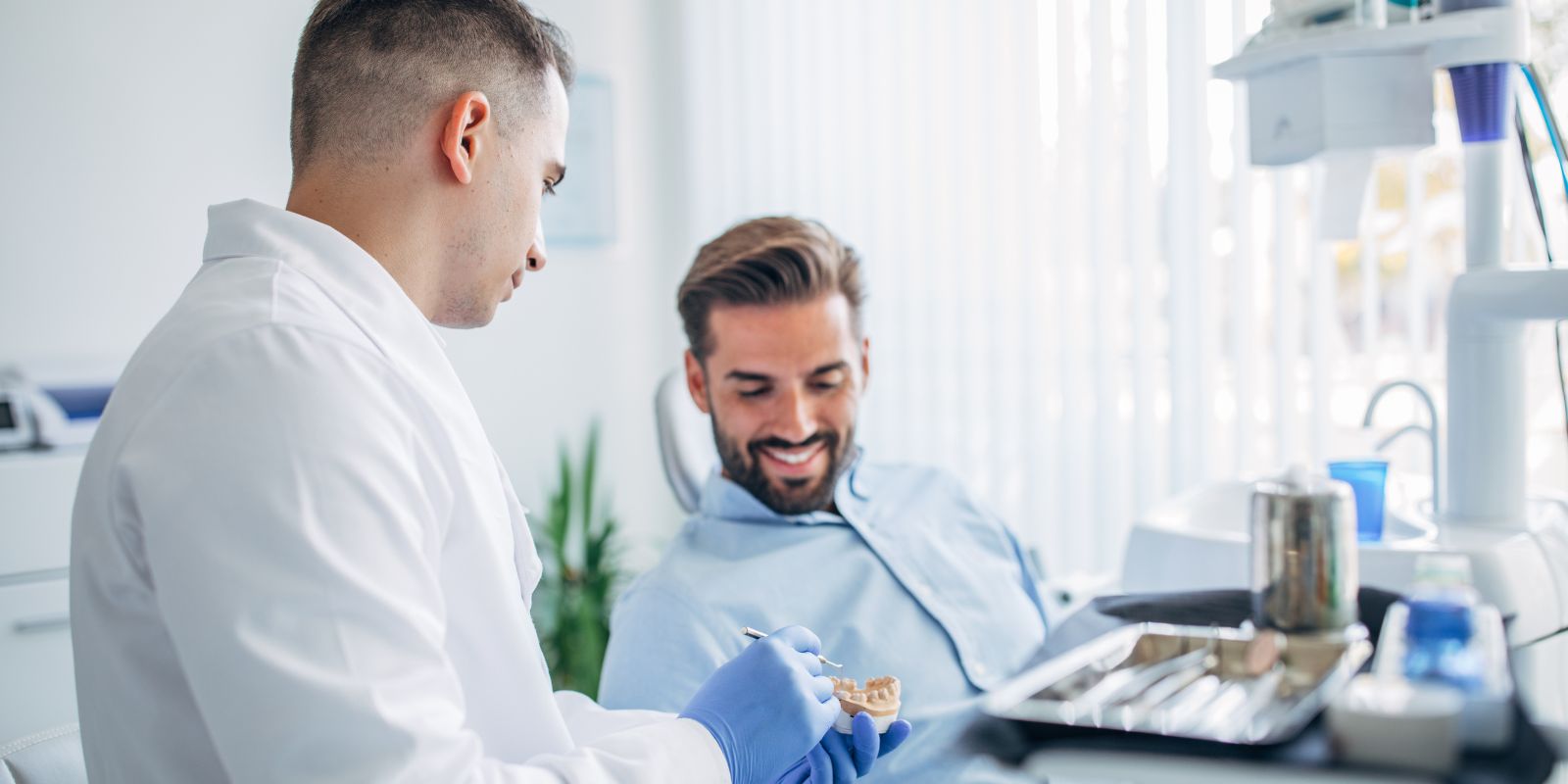
Importance Of Regular Health Checkups
In today’s fast-paced world, health often takes a backseat to work, responsibilities, and daily stress. Many people tend to visit a doctor only when they feel unwell, ignoring the importance of preventive care. However, regular health checkups play a crucial role in maintaining overall well-being, detecting potential health issues early, and ensuring a longer, healthier life.
A proactive approach to health can help individuals avoid serious complications and reduce long-term healthcare costs. Regular checkups are not just for those who are sick; they are essential for everyone, regardless of age or lifestyle.
Understanding Regular Health Checkups
Regular health checkups involve routine visits to healthcare professionals to assess your overall health. These checkups may include physical examinations, blood tests, screenings, and discussions about lifestyle habits such as diet, exercise, and stress management.
The goal is to detect health issues before they become severe. Early diagnosis allows for timely treatment, which can prevent complications and improve outcomes.
Early Detection of Diseases
One of the most significant benefits of regular health checkups is early detection. Many serious conditions, such as Diabetes, Hypertension, and Cancer, often develop silently without noticeable symptoms in their early stages.
Routine screenings and tests can identify warning signs early, making treatment more effective. For example:
- Blood sugar tests can detect diabetes early.
- Blood pressure monitoring can reveal hypertension.
- Cancer screenings can identify abnormal growths before they spread.
Early detection not only saves lives but also reduces the cost and complexity of treatment.
Prevention Is Better Than Cure
Preventive healthcare is more effective and less expensive than treating diseases after they develop. Regular checkups help identify risk factors such as high cholesterol, obesity, and unhealthy lifestyle habits.
Doctors can provide guidance on:
- Balanced nutrition
- Regular physical activity
- Stress management
- Avoiding harmful habits like smoking and excessive alcohol consumption
By making small lifestyle changes early, individuals can prevent chronic diseases and maintain better health.
Monitoring Existing Health Conditions
For individuals already diagnosed with certain health conditions, regular checkups are essential for monitoring progress and adjusting treatment plans.
Conditions like:
- Heart Disease
- Asthma
- Thyroid Disorders
require consistent monitoring to ensure they remain under control. Regular visits allow doctors to evaluate the effectiveness of medications and make necessary adjustments.
Reducing Healthcare Costs
Many people avoid health checkups due to perceived costs. However, neglecting regular screenings can lead to more serious health issues that require expensive treatments.
Preventive care helps:
- Avoid hospitalizations
- Reduce emergency medical expenses
- Minimize long-term treatment costs
Investing in routine checkups is a cost-effective way to safeguard your health.
Maintaining Mental Health
Health checkups are not limited to physical well-being; they also include mental health assessments. Stress, anxiety, and depression are increasingly common due to modern lifestyles.
Regular consultations with healthcare professionals can help identify early signs of mental health conditions such as Depression and Anxiety Disorders.
Doctors can recommend:
- Counseling or therapy
- Lifestyle changes
- Stress management techniques
Addressing mental health early improves overall quality of life.
Building a Health Baseline
Regular checkups help establish a baseline for your health metrics, including:
- Blood pressure
- Cholesterol levels
- Blood sugar levels
- Body mass index (BMI)
Having a baseline allows doctors to detect even minor changes over time, making it easier to identify potential health risks early.
Boosting Longevity and Quality of Life
Consistent health monitoring contributes to a longer and healthier life. Individuals who undergo regular health checkups are more likely to:
- Detect diseases early
- Follow healthier lifestyles
- Manage chronic conditions effectively
This leads to improved quality of life, increased productivity, and reduced risk of premature death.
Health Checkups for Different Age Groups
Health needs vary depending on age, and regular checkups should be tailored accordingly.
Children and Adolescents:
- Growth and development monitoring
- Vaccinations
- Nutritional guidance
Adults (20–40 years):
- Routine physical exams
- Lifestyle assessments
- Early screening tests
Middle-aged Adults (40–60 years):
- Screening for chronic diseases
- Heart health monitoring
- Cancer screenings
Senior Citizens (60+ years):
- Bone density tests
- Vision and hearing checks
- Chronic disease management
Encouraging a Healthy Lifestyle
Regular visits to healthcare professionals often motivate individuals to adopt healthier habits. Knowing that your health is being monitored can encourage you to:
- Exercise regularly
- Eat a balanced diet
- Maintain a healthy weight
- Stay consistent with medical advice
This accountability leads to long-term lifestyle improvements.
Strengthening Doctor-Patient Relationships
Regular checkups help build a strong relationship with your healthcare provider. This trust allows for:
- Open communication
- Better understanding of medical history
- Personalized healthcare advice
A familiar doctor is more likely to notice subtle changes in your health over time.
Overcoming Common Barriers
Despite the benefits, many people skip regular checkups due to:
- Busy schedules
- Fear of diagnosis
- Financial concerns
- Lack of awareness
Overcoming these barriers is essential. Scheduling annual or bi-annual checkups and viewing them as a priority can significantly improve health outcomes.
Tips for Making Health Checkups a Habit
- Schedule appointments in advance
- Keep a record of your medical history
- Follow your doctor’s recommendations
- Set reminders for annual screenings
- Choose a reliable healthcare provider
Consistency is key to reaping the full benefits of regular health checkups.
Conclusion
Regular health checkups are a cornerstone of preventive healthcare. They enable early detection of diseases, reduce healthcare costs, and promote a healthier lifestyle. In a world where health risks are constantly evolving, staying proactive is more important than ever.
By making regular checkups a part of your routine, you take control of your health and invest in a longer, more fulfilling life. Remember, taking care of your health today ensures a better tomorrow.