
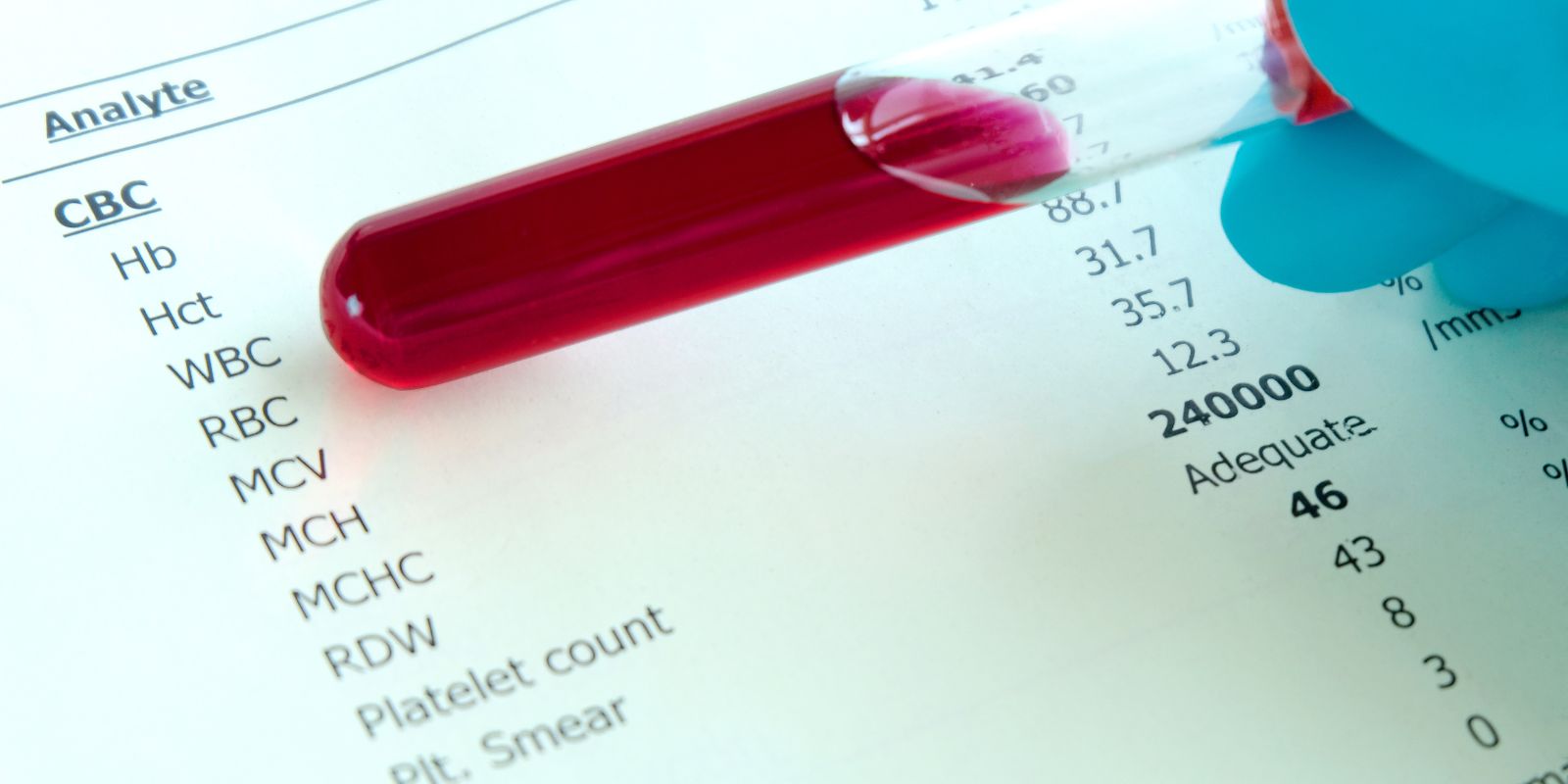
Understanding Your Complete Blood Count Report
A Complete Blood Count (CBC) is one of the most essential and frequently prescribed blood tests used in modern healthcare. Whether it’s part of a routine health checkup or recommended to diagnose a specific condition, a CBC provides valuable insights into your overall health. However, for many people, the test report can feel overwhelming due to unfamiliar medical terms and numbers.
In this comprehensive guide, you’ll learn how to understand your CBC report, what each parameter means, and how it reflects your health status.
What Is a Complete Blood Count (CBC)?
A Complete Blood Count (CBC) is a laboratory test that measures the different components of your blood. It helps evaluate your general health and detect a wide range of disorders such as anemia, infections, inflammation, and blood-related diseases.
The test analyzes three primary types of blood cells:
- Red Blood Cells (RBCs)
- White Blood Cells (WBCs)
- Platelets
Each of these components plays a unique and vital role in maintaining your body’s normal functioning.
Key Components of a CBC Report
Understanding the different elements in your CBC report is crucial for interpreting the results correctly.
1. Red Blood Cells (RBC)
Red blood cells carry oxygen from your lungs to all parts of your body and transport carbon dioxide back to the lungs for removal.
Important parameters include:
- RBC Count: Number of red blood cells in your blood.
- Hemoglobin (Hb): Protein in RBCs that carries oxygen.
- Hematocrit (Hct): Percentage of blood composed of RBCs.
Interpretation:
- Low levels may indicate anemia, blood loss, or nutritional deficiencies.
- High levels may suggest dehydration or certain disorders affecting blood production.
2. White Blood Cells (WBC)
White blood cells are a critical part of your immune system and help your body fight infections.
Key measurements:
- Total WBC Count
- Differential Count: Includes neutrophils, lymphocytes, monocytes, eosinophils, and basophils.
Interpretation:
- High WBC count may indicate infection, inflammation, or immune response.
- Low WBC count can suggest weakened immunity or bone marrow issues.
3. Platelets
Platelets are essential for blood clotting and wound healing.
Key values:
- Platelet Count
- Mean Platelet Volume (MPV)
Interpretation:
- Low platelet count can lead to excessive bleeding.
- High platelet count may be associated with inflammation or bone marrow disorders.
Understanding RBC Indices
RBC indices provide deeper insight into the quality and characteristics of your red blood cells.
Mean Corpuscular Volume (MCV)
Indicates the average size of red blood cells.
- Low MCV: Often linked to iron deficiency anemia.
- High MCV: May indicate vitamin B12 or folate deficiency.
Mean Corpuscular Hemoglobin (MCH)
Measures the average amount of hemoglobin per red blood cell.
Mean Corpuscular Hemoglobin Concentration (MCHC)
Indicates the concentration of hemoglobin within RBCs.
Red Cell Distribution Width (RDW)
Shows variation in the size of red blood cells.
- High RDW suggests a variation that may indicate mixed anemia types.
WBC Differential Count Explained
The WBC differential breaks down the different types of white blood cells:
- Neutrophils: First responders to bacterial infections
- Lymphocytes: Important for viral defense and immune memory
- Monocytes: Clean up dead cells and pathogens
- Eosinophils: Associated with allergies and parasitic infections
- Basophils: Play a role in inflammation and allergic responses
Each type gives clues about the type of illness or immune activity in your body.
Normal Reference Ranges
While exact ranges vary by laboratory, general reference values include:
- RBC: 4.5–5.9 million cells/mcL (men), 4.1–5.1 million cells/mcL (women)
- Hemoglobin: 13.8–17.2 g/dL (men), 12.1–15.1 g/dL (women)
- WBC: 4,500–11,000 cells/mcL
- Platelets: 150,000–450,000 platelets/mcL
Always refer to the reference range mentioned in your specific report.
Common Conditions Detected by CBC
A CBC test is a powerful tool for identifying various health conditions:
1. Anemia
A condition where hemoglobin or RBC count is low. It can result from iron deficiency, vitamin deficiencies, or chronic diseases.
2. Infections
Elevated WBC counts often indicate bacterial or viral infections.
3. Inflammatory Conditions
Increased WBC or platelet levels may point to inflammation in the body.
4. Blood Disorders
Serious conditions such as leukemia or clotting disorders can sometimes be detected through abnormal CBC results.
Factors That Influence CBC Results
Several factors can affect your CBC results, including:
- Age and gender
- Nutritional status
- Hydration levels
- Medications
- Pregnancy
- Recent infections or stress
These variables highlight the importance of interpreting CBC results in the right context.
When Should You Consult a Doctor?
You should seek medical advice if:
- Your test results fall significantly outside the normal range
- You experience symptoms such as fatigue, fever, unexplained bruising, or weakness
- There are sudden changes compared to previous reports
A doctor will evaluate your results along with your medical history and symptoms before making a diagnosis.
Tips to Maintain Healthy Blood Levels
Maintaining healthy blood parameters is key to overall wellness. Here are some practical tips:
- Eat a balanced diet rich in iron, vitamin B12, and folate
- Include green leafy vegetables, fruits, and protein-rich foods
- Stay hydrated throughout the day
- Exercise regularly
- Avoid smoking and excessive alcohol consumption
- Schedule regular health checkups
Conclusion
Understanding your Complete Blood Count report is an important step toward taking control of your health. While the medical terminology and numbers may initially seem complex, breaking them down into simple components makes interpretation much easier. A CBC test provides valuable insights into your body’s functioning, helping detect conditions early and guide appropriate treatment.
However, it is essential to remember that a CBC report alone cannot diagnose a condition. It should always be interpreted by a qualified healthcare professional in combination with your symptoms and medical history. By staying informed and proactive, you can use your CBC results as a powerful tool to maintain and improve your overall well-being.