
Importance Of Full Body Health Checkups
Introduction
In today’s fast-paced lifestyle, health often takes a backseat until a problem becomes serious. Many individuals ignore subtle warning signs, assuming they are temporary or harmless. However, the reality is that many diseases develop silently and only show symptoms in advanced stages. This is where full body health checkups play a crucial role. They act as a preventive measure, helping detect potential health issues early and ensuring timely treatment.
A full body health checkup is a comprehensive evaluation of your overall health. It includes a range of tests that assess vital organs, detect deficiencies, and identify risk factors for chronic conditions. Regular checkups are not just for the elderly or sick—they are essential for everyone, regardless of age or lifestyle.
What Is a Full Body Health Checkup?
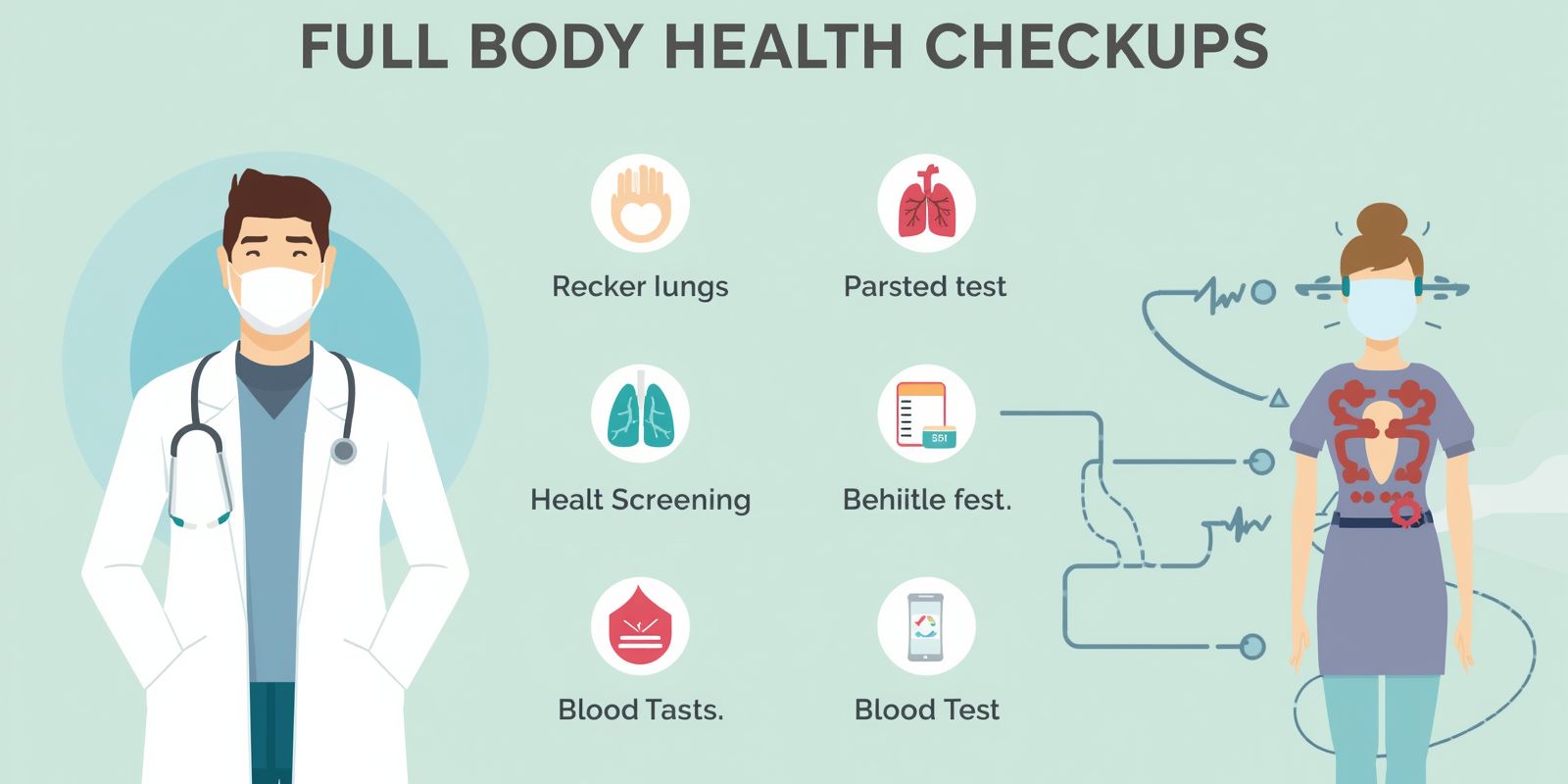
A full body health checkup is a set of diagnostic tests designed to evaluate your overall physical well-being. It typically includes:
- Blood tests (CBC, sugar levels, cholesterol)
- Liver and kidney function tests
- Thyroid profile
- Vitamin and mineral levels
- Urine analysis
- Heart health screening (ECG)
- Imaging tests like X-rays or ultrasounds
These tests provide a complete picture of your health, allowing doctors to identify abnormalities before they turn into serious conditions.
Why Full Body Health Checkups Are Important
1. Early Detection of Diseases
One of the biggest advantages of regular health checkups is early detection. Diseases such as diabetes, hypertension, and even cancer often develop silently without noticeable symptoms. By the time symptoms appear, the condition may already be advanced.
Regular screenings help identify these conditions at an early stage, making treatment more effective and less expensive.
2. Prevention Is Better Than Cure
Preventive healthcare is always more beneficial than reactive treatment. Full body checkups help identify risk factors such as high cholesterol, elevated blood sugar, or vitamin deficiencies. Once identified, lifestyle changes and medications can prevent the onset of serious diseases.
3. Monitoring Existing Health Conditions
For individuals already diagnosed with conditions like diabetes or thyroid disorders, regular checkups are essential. They help monitor progress and ensure that treatments are working effectively.
Routine testing allows doctors to adjust medications and recommend lifestyle changes based on updated results.
4. Reduces Healthcare Costs in the Long Run
Many people avoid checkups thinking they are expensive. However, early diagnosis can save significant costs associated with hospitalization, surgeries, and long-term treatments.
Preventive care reduces the financial burden by addressing issues before they escalate.
5. Improves Quality of Life
Knowing your health status allows you to make informed decisions about your lifestyle. Whether it’s improving your diet, increasing physical activity, or managing stress, regular checkups empower you to take control of your health.
A healthy body leads to better productivity, improved mental well-being, and a higher quality of life.
Who Should Get Full Body Checkups?
Adults Above 30
Once you cross 30, the risk of lifestyle-related diseases increases. Regular health screenings help detect early warning signs.
Individuals with Family History
If your family has a history of conditions like diabetes, heart disease, or cancer, you are at higher risk. Regular checkups become even more important in such cases.
People with Sedentary Lifestyle
Lack of physical activity, unhealthy eating habits, and stress contribute to various health issues. Full body checkups help identify the impact of these habits.
Working Professionals
Long working hours, irregular sleep, and stress can affect overall health. Regular screenings help ensure everything is functioning properly.
Key Benefits of Full Body Health Checkups
Comprehensive Health Assessment
Unlike single tests, full body checkups provide a holistic view of your health. They assess multiple systems and organs simultaneously.
Personalized Health Insights
The results of your tests help doctors create a personalized health plan tailored to your needs.
Peace of Mind
Knowing that your health is in good condition provides mental reassurance and reduces anxiety.
Encourages Healthy Lifestyle Choices
When you see actual data about your health, you are more likely to adopt healthier habits.
How Often Should You Get a Checkup?
The frequency of full body health checkups depends on age, lifestyle, and medical history:
- 20–30 years: Once every 2–3 years
- 30–40 years: Once every 1–2 years
- Above 40 years: Annually
- Chronic conditions: As recommended by your doctor
Regularity is key to tracking changes and identifying patterns over time.
Common Tests Included in a Full Body Checkup
Blood Tests
These tests evaluate overall health and detect disorders like anemia, infections, and diabetes.
Lipid Profile
Measures cholesterol levels and assesses heart health.
Liver Function Test
Checks liver health and detects conditions like fatty liver or hepatitis.
Kidney Function Test
Evaluates how well your kidneys are working.
Thyroid Function Test
Detects thyroid imbalances that can affect metabolism and energy levels.
Vitamin Tests
Identify deficiencies in essential nutrients like Vitamin D and B12.
Role of Lifestyle in Health Checkups
While checkups are important, they are only part of the equation. A healthy lifestyle plays a major role in maintaining good health. This includes:
- Balanced diet
- Regular exercise
- Adequate sleep
- Stress management
- Avoiding smoking and excessive alcohol
Health checkups complement these habits by providing measurable insights into your progress.
Common Myths About Full Body Health Checkups
“I Feel Fine, So I Don’t Need It”
Many diseases are asymptomatic in early stages. Feeling fine does not guarantee good health.
“Checkups Are Only for Older People”
Health issues can occur at any age. Preventive care should start early.
“They Are Too Expensive”
Compared to the cost of treating advanced diseases, checkups are a cost-effective investment.
How to Prepare for a Full Body Checkup
To get accurate results, follow these tips:
- Fast for 8–12 hours before the test (if required)
- Avoid alcohol and heavy meals before the test
- Inform your doctor about medications
- Stay hydrated
- Get adequate rest
Proper preparation ensures reliable test results.
Choosing the Right Health Checkup Package
Different healthcare providers offer various packages. When choosing one, consider:
- Your age and gender
- Medical history
- Lifestyle habits
- Budget
Consulting a doctor can help you select the most suitable package.
Conclusion
Full body health checkups are an essential part of preventive healthcare. They help detect diseases early, monitor existing conditions, and provide valuable insights into your overall health. In a world where lifestyle diseases are on the rise, regular checkups are no longer optional—they are a necessity.
Investing in your health today can save you from serious complications tomorrow. Make full body health checkups a regular part of your routine and take a proactive step toward a healthier, longer life.