
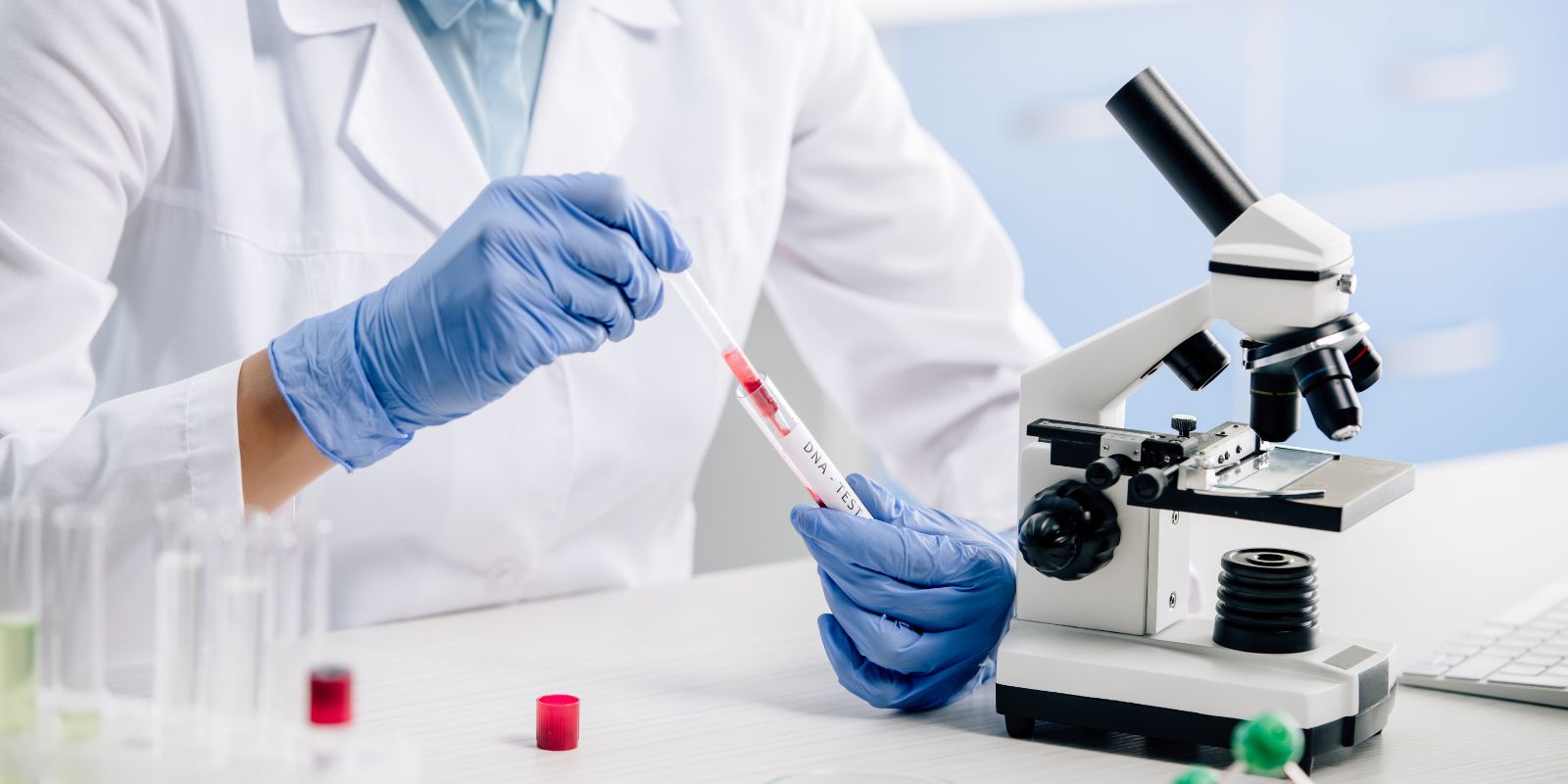
Preparing Yourself For Accurate Lab Testing
Introduction
Laboratory tests play a crucial role in modern healthcare. Whether it’s a routine health checkup or diagnosing a specific condition, accurate lab test results are essential for proper medical decisions. However, many people overlook a key factor that can significantly impact test outcomes—preparation.
Preparing yourself properly before a lab test ensures that your results are reliable and free from avoidable errors. Even small mistakes like eating before a fasting test or taking certain medications can alter your results, leading to misdiagnosis or unnecessary repeat testing.
In this guide, we’ll explore everything you need to know about preparing for lab testing, why it matters, and how to ensure accurate results every time.
Why Preparation Matters in Lab Testing
Accurate lab results depend on many factors, including your body’s condition at the time of testing. Food intake, hydration levels, medications, and even physical activity can influence the outcome.
Improper preparation can lead to:
- False positives or negatives
- Delayed diagnosis
- Incorrect treatment plans
- Additional testing and expenses
By following the correct preparation steps, you help healthcare providers make informed and precise decisions about your health.
Types of Lab Tests That Require Preparation
Not all lab tests require preparation, but many do. Here are some common categories:
1. Blood Tests
These are among the most common tests and often require fasting or specific timing.
2. Urine Tests
Hydration and timing can affect the concentration of substances in urine.
3. Imaging Tests
Some scans may require fasting or avoiding certain medications.
4. Stool Tests
Dietary restrictions may be necessary before sample collection.
Understanding the type of test you’re undergoing is the first step in proper preparation.
Fasting Guidelines for Lab Tests
One of the most common requirements is fasting. This means avoiding food and sometimes drinks for a specific period, usually 8–12 hours.
When is fasting required?
- Blood glucose tests
- Lipid profile tests
- Certain metabolic panels
What you can consume:
- Water (usually allowed and recommended)
What to avoid:
- Food of any kind
- Sugary drinks
- Tea or coffee (unless instructed otherwise)
Eating before a fasting test can significantly alter results, especially blood sugar and cholesterol levels.
Medication and Supplement Considerations
Medications and dietary supplements can interfere with lab results. It is important to inform your doctor about:
- Prescription medications
- Over-the-counter drugs
- Herbal supplements
- Vitamins
What should you do?
- Follow your doctor’s advice on whether to continue or pause medications
- Never stop medication without medical guidance
Some drugs can impact hormone levels, blood clotting, and other parameters, leading to inaccurate results.
Importance of Hydration
Staying hydrated is essential for most lab tests, especially blood and urine tests.
Benefits of proper hydration:
- Easier blood sample collection
- Accurate concentration levels in urine
- Reduced discomfort during testing
Tips:
- Drink adequate water before your test unless instructed otherwise
- Avoid excessive water intake, as it may dilute certain test results
Balanced hydration is key—not too little, not too much.
Dietary Restrictions Before Testing
Certain tests require avoiding specific foods for a period before testing.
Examples:
- Avoid fatty foods before a lipid profile
- Avoid alcohol for at least 24 hours
- Avoid caffeine if instructed
Diet can influence many markers in the body, including glucose, cholesterol, and liver enzymes.
Timing of the Test
The timing of your test can impact the results due to natural body rhythms.
Why timing matters:
- Hormone levels fluctuate throughout the day
- Some tests require early morning samples
- Fasting tests are typically done in the morning
Always follow the recommended timing provided by your healthcare provider or lab.
Avoiding Physical Activity Before Testing
Exercise can temporarily change various lab values, such as:
- Blood sugar levels
- Hormone levels
- Muscle enzymes
Recommendations:
- Avoid intense physical activity 24 hours before testing
- Stick to light movement if necessary
This ensures your results reflect your normal baseline rather than temporary changes.
Managing Stress and Sleep
Stress and lack of sleep can also affect lab test results.
Impact of stress:
- Alters hormone levels
- Can increase blood pressure
- Affects glucose levels
Sleep recommendations:
- Get 7–8 hours of sleep before your test
- Avoid late-night activities
A calm and well-rested body provides more accurate results.
Special Preparation for Specific Tests
Some tests require unique preparation steps.
1. Glucose Tolerance Test
- Fasting required
- Multiple blood samples taken over time
2. Thyroid Tests
- May require specific timing or medication adjustments
3. Pregnancy Tests
- First-morning urine sample is often preferred
4. Stool Tests
- Avoid certain foods and medications
Always follow the exact instructions given for your specific test.
Tips for Home Sample Collection
Home sample collection is becoming increasingly popular for convenience.
Preparation tips:
- Follow instructions carefully
- Use sterile containers
- Label samples correctly
- Maintain hygiene
Advantages:
- Comfort of home
- Saves time
- Reduces exposure to infections
However, accuracy still depends on proper preparation and handling.
Common Mistakes to Avoid
Many people unknowingly make mistakes that affect test results.
Avoid these:
- Eating before a fasting test
- Not informing about medications
- Skipping instructions
- Drinking alcohol before testing
- Arriving late for timed tests
Being mindful of these common errors can save time and ensure reliable results.
What to Do After the Test
Post-test care is just as important.
After fasting tests:
- Eat a balanced meal
- Stay hydrated
After blood tests:
- Apply pressure to the puncture site
- Avoid heavy lifting for a few hours
Follow-up:
- Collect reports on time
- Consult your doctor for interpretation
Never attempt to self-diagnose based on lab reports alone.
Role of Diagnostic Laboratories
Choosing a reliable diagnostic laboratory ensures accuracy and quality.
What to look for:
- Certified and accredited labs
- Experienced staff
- Advanced equipment
- Proper hygiene and safety standards
A good lab combined with proper preparation guarantees trustworthy results.
Conclusion
Preparing yourself for accurate lab testing is a simple yet vital step in maintaining your health. From fasting and hydration to medication management and timing, every detail plays a role in ensuring precise results.
By following proper guidelines and avoiding common mistakes, you can help healthcare professionals make accurate diagnoses and recommend effective treatments. Remember, lab tests are not just about giving samples—they are about giving the right samples under the right conditions.
Take preparation seriously, and you’ll get the most reliable insights into your health.