
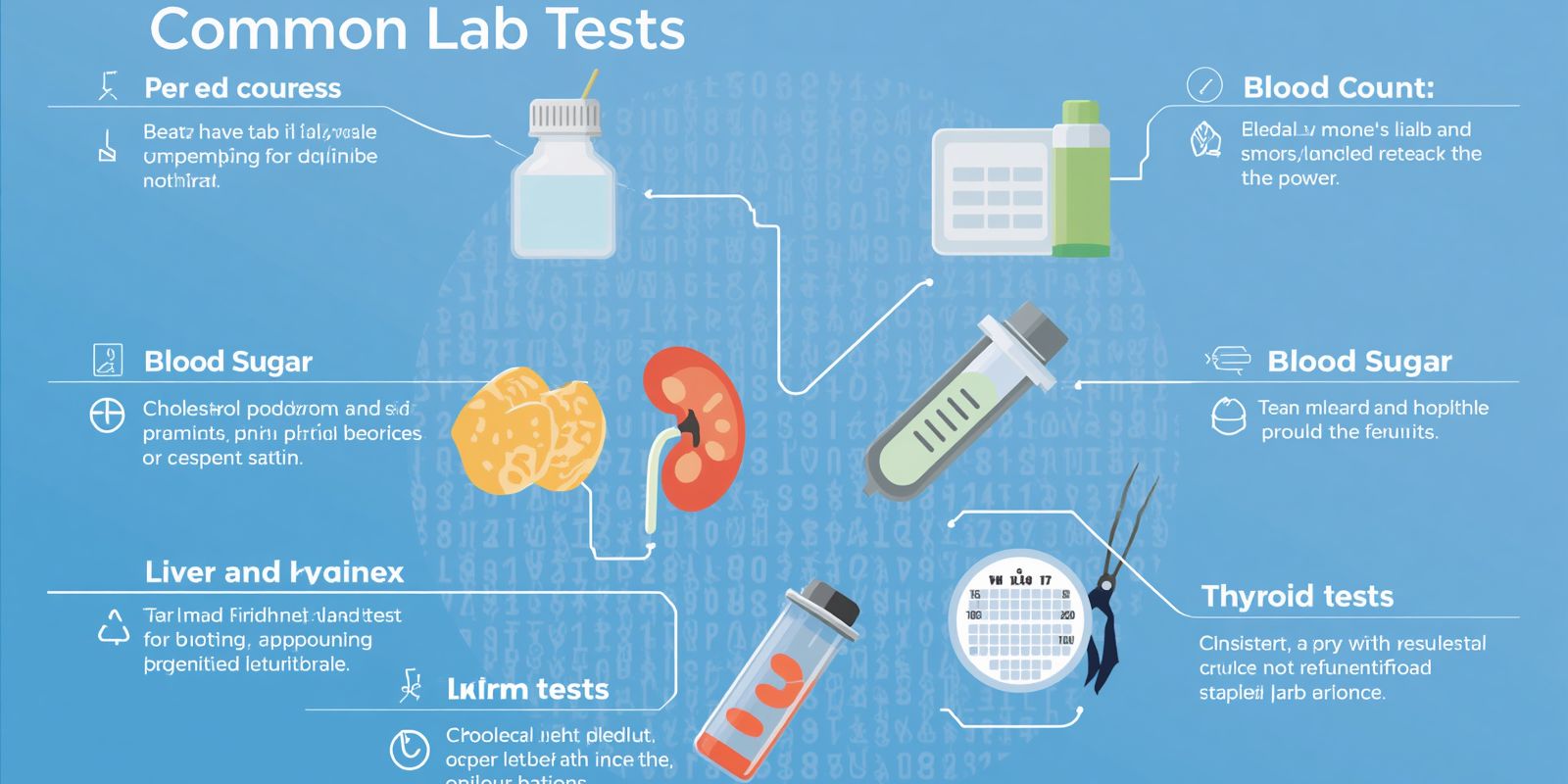
Lab Tests For Routine Health Monitoring
Maintaining good health is not just about treating illnesses when they arise—it’s about preventing them before they become serious. Routine health monitoring through lab tests plays a crucial role in early detection, timely intervention, and overall well-being. In today’s fast-paced world, where stress, poor diet, and sedentary lifestyles are common, regular lab testing has become more important than ever.
This article explores the importance of routine lab tests, the most common tests you should consider, and how they contribute to a healthier life.
Why Routine Lab Tests Are Important
Routine lab tests provide valuable insights into your body’s internal functioning. Many health conditions such as diabetes, high cholesterol, thyroid disorders, and liver diseases develop silently without noticeable symptoms in the early stages. By the time symptoms appear, the condition may already be advanced.
Regular testing helps in:
- Early Detection of Diseases: Identifies potential health issues before they worsen.
- Monitoring Existing Conditions: Helps manage chronic illnesses effectively.
- Evaluating Overall Health: Gives a comprehensive view of your body’s performance.
- Preventive Care: Encourages lifestyle changes to avoid future health risks.
Routine health checkups empower individuals to take proactive control of their health rather than relying on reactive treatments.
Key Lab Tests For Routine Health Monitoring
There are several lab tests that doctors commonly recommend as part of routine health checkups. These tests provide a broad overview of your health status.
1. Complete Blood Count (CBC)
The Complete Blood Count (CBC) is one of the most basic and essential tests. It measures different components of your blood, including:
- Red blood cells (RBCs)
- White blood cells (WBCs)
- Hemoglobin
- Platelets
Why it matters:
CBC helps detect conditions like anemia, infections, and immune system disorders. It also gives an idea of your overall health.
2. Blood Glucose Test
This test measures the level of sugar (glucose) in your blood. It includes:
- Fasting blood sugar
- Postprandial (after meal) sugar
- HbA1c (average blood sugar over 2–3 months)
Why it matters:
It helps diagnose and monitor diabetes and prediabetes. With the rising cases of diabetes, especially in India, regular monitoring is crucial.
3. Lipid Profile
A lipid profile measures different types of fats in your blood, including:
- Total cholesterol
- LDL (bad cholesterol)
- HDL (good cholesterol)
- Triglycerides
Why it matters:
High cholesterol levels increase the risk of heart disease and stroke. Regular checks help you manage your heart health effectively.
4. Liver Function Test (LFT)
LFT evaluates how well your liver is functioning by measuring enzymes, proteins, and bilirubin levels.
Why it matters:
It helps detect liver conditions such as hepatitis, fatty liver, and liver damage caused by alcohol or medications.
5. Kidney Function Test (KFT)
This test checks how well your kidneys are working by measuring:
- Creatinine
- Blood urea nitrogen (BUN)
- Electrolytes
Why it matters:
Kidney diseases often progress without symptoms. Early detection can prevent complications and preserve kidney function.
6. Thyroid Function Test (TFT)
This test measures thyroid hormones such as T3, T4, and TSH.
Why it matters:
Thyroid disorders are common and can affect metabolism, energy levels, and weight. Regular testing helps maintain hormonal balance.
7. Vitamin and Mineral Tests
These tests check levels of essential nutrients like:
- Vitamin D
- Vitamin B12
- Iron
- Calcium
Why it matters:
Deficiencies can lead to fatigue, bone weakness, and other health issues. Identifying and correcting deficiencies improves overall health.
8. Urine Routine Test
A urine test analyzes various components such as protein, sugar, and infection markers.
Why it matters:
It helps detect urinary tract infections, kidney issues, and metabolic conditions.
How Often Should You Get Tested?
The frequency of lab tests depends on factors such as age, medical history, lifestyle, and family history.
- Healthy adults (20–30 years): Once every 1–2 years
- Adults (30–50 years): Annually
- Above 50 years: Every 6–12 months
- Chronic conditions: As advised by a doctor
Regular consultations with a healthcare professional can help determine the right testing schedule for you.
Preparing For Routine Lab Tests
Proper preparation ensures accurate results. Here are some general guidelines:
- Fasting: Some tests require fasting for 8–12 hours.
- Medication Disclosure: Inform your doctor about any medications you are taking.
- Hydration: Drink water unless instructed otherwise.
- Avoid Alcohol and Heavy Meals: Especially before liver and lipid tests.
- Follow Instructions Carefully: Each test may have specific requirements.
Benefits Of Routine Health Monitoring
Routine lab tests offer numerous advantages beyond just detecting diseases.
1. Better Disease Management
For individuals with chronic conditions like diabetes or hypertension, regular tests help track progress and adjust treatment plans.
2. Cost Savings
Early detection reduces the need for expensive treatments and hospitalizations later.
3. Improved Quality Of Life
Knowing your health status allows you to make informed lifestyle choices, leading to a healthier and more active life.
4. Peace Of Mind
Regular checkups reduce anxiety by providing clarity about your health condition.
Lifestyle Tips To Complement Lab Testing
While lab tests are essential, they should be combined with a healthy lifestyle for maximum benefits.
- Eat a Balanced Diet: Include fruits, vegetables, whole grains, and lean proteins.
- Exercise Regularly: Aim for at least 30 minutes of physical activity daily.
- Stay Hydrated: Drink adequate water.
- Manage Stress: Practice yoga, meditation, or relaxation techniques.
- Avoid Smoking and Excess Alcohol: These can negatively impact your health.
- Get Enough Sleep: Ensure 7–8 hours of quality sleep.
When To Consult A Doctor
While routine testing is important, certain symptoms should not be ignored. Consult a doctor if you experience:
- Persistent fatigue
- Sudden weight changes
- Frequent infections
- Unusual pain or discomfort
- Changes in appetite or sleep patterns
Timely medical advice combined with lab testing can prevent serious health complications.
The Role Of Preventive Healthcare
Preventive healthcare is gaining importance as people become more aware of their health. Routine lab tests are a key component of preventive care. They not only help detect diseases early but also encourage individuals to adopt healthier lifestyles.
Healthcare providers often offer comprehensive health packages that include multiple tests at affordable rates, making it easier for individuals to stay on top of their health.
Conclusion
Routine lab tests are an essential part of maintaining good health. They provide valuable insights into your body’s functioning, help detect diseases early, and support effective management of existing conditions. In a world where lifestyle-related diseases are on the rise, regular health monitoring is no longer optional—it’s a necessity.
By incorporating routine lab tests into your healthcare routine and combining them with a healthy lifestyle, you can ensure a longer, healthier, and more fulfilling life.