
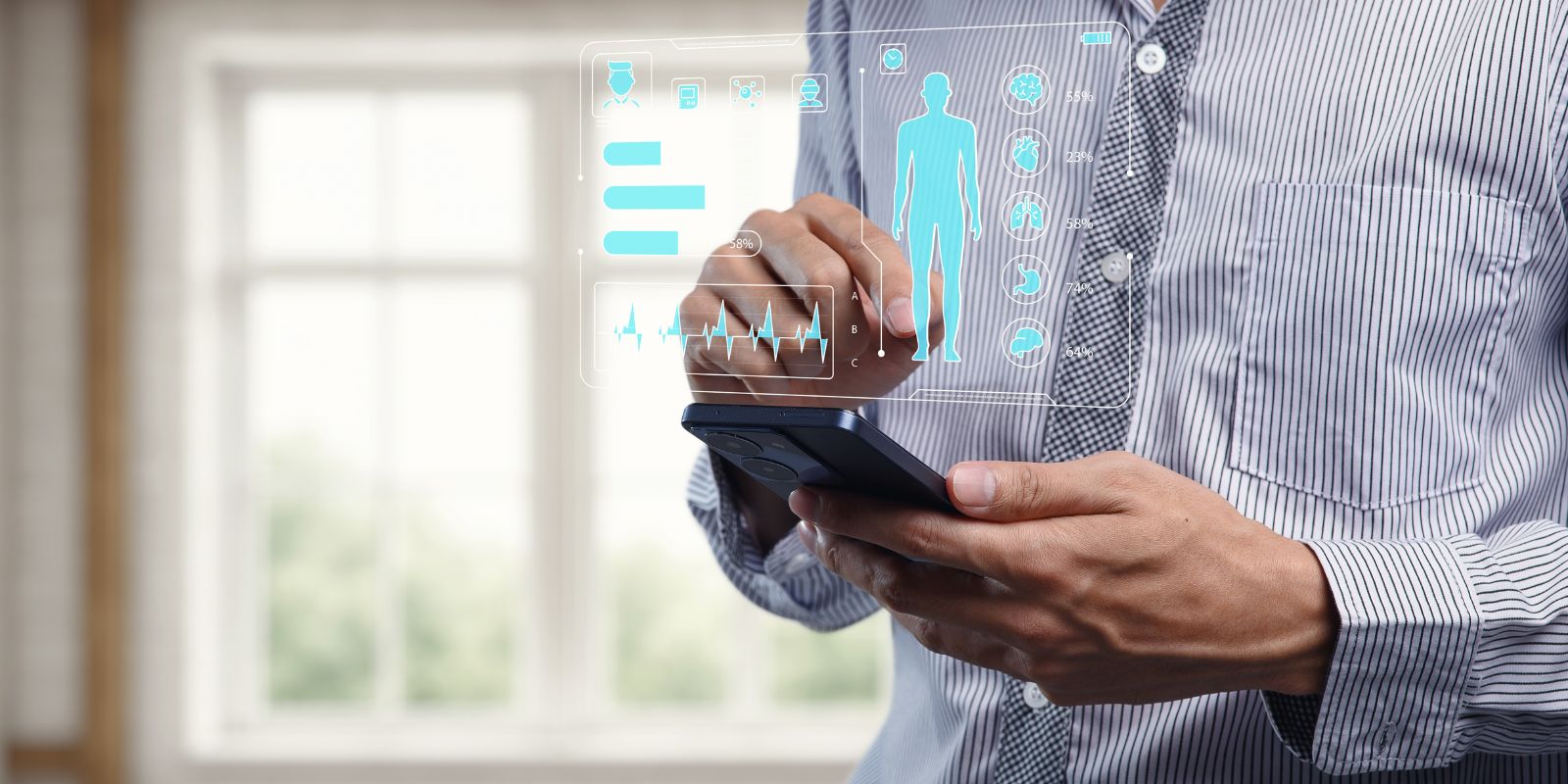
Digital Healthcare Diagnostics Improving Patient Experience
The healthcare industry is undergoing a remarkable transformation, driven by rapid advancements in digital technologies. Among the most impactful changes is the evolution of digital healthcare diagnostics, which is redefining how diseases are detected, monitored, and managed. By integrating cutting-edge tools such as artificial intelligence, cloud computing, wearable devices, and telemedicine, digital diagnostics is significantly enhancing patient experience across the healthcare continuum.
The Shift Toward Digital Diagnostics
Traditional diagnostic methods often involved lengthy processes, manual data handling, and delayed results. Patients frequently had to visit multiple healthcare facilities, endure long waiting times, and face uncertainty while awaiting reports. Digital healthcare diagnostics has changed this paradigm by introducing speed, accuracy, and convenience into the system.
Digital diagnostics leverages advanced technologies to automate processes, streamline workflows, and deliver real-time insights. This shift not only improves clinical outcomes but also places the patient at the center of care, ensuring a smoother and more personalized healthcare journey.
Enhancing Accessibility and Convenience
One of the most significant ways digital diagnostics improves patient experience is by increasing accessibility. Patients can now access diagnostic services without being physically present in a hospital or laboratory. Telemedicine platforms allow individuals to consult doctors remotely, while digital diagnostic tools enable at-home testing and monitoring.
Mobile health applications and connected devices empower patients to track vital parameters such as blood pressure, glucose levels, heart rate, and oxygen saturation. This continuous monitoring reduces the need for frequent hospital visits and allows patients to manage their health from the comfort of their homes.
For individuals living in remote or underserved areas, digital diagnostics bridges the gap by providing access to quality healthcare services. This democratization of healthcare ensures that more people receive timely and appropriate care.
Faster and More Accurate Diagnoses
Speed and accuracy are critical factors in diagnostics, directly influencing treatment outcomes. Digital technologies such as artificial intelligence and machine learning algorithms are capable of analyzing vast amounts of medical data within seconds. These tools can identify patterns and anomalies that might be missed by human observation.
For instance, AI-powered imaging systems can detect early signs of diseases like cancer, cardiovascular conditions, and neurological disorders with high precision. Faster diagnosis means earlier intervention, which significantly improves patient prognosis and reduces the risk of complications.
Moreover, automation minimizes human error in laboratory processes, ensuring consistent and reliable results. This accuracy builds trust among patients and enhances their overall experience.
Personalized Patient Care
Digital healthcare diagnostics plays a crucial role in enabling personalized medicine. By collecting and analyzing patient-specific data, healthcare providers can tailor treatments based on individual needs, genetic profiles, and medical histories.
Personalized diagnostics ensures that patients receive the most effective therapies, reducing trial-and-error approaches. This not only improves treatment success rates but also enhances patient satisfaction, as individuals feel that their unique needs are being addressed.
Wearable devices and health apps further contribute to personalization by providing insights into lifestyle habits, activity levels, and health trends. These insights help healthcare providers design customized care plans that align with each patient’s lifestyle.
Improved Patient Engagement
Patient engagement is a key component of a positive healthcare experience. Digital diagnostics encourages active participation by providing patients with easy access to their health data. Through online portals and mobile applications, patients can view test results, track progress, and communicate with healthcare providers.
This transparency fosters a sense of control and empowerment, making patients more involved in their healthcare decisions. Engaged patients are more likely to adhere to treatment plans, follow medical advice, and maintain healthy behaviors.
Additionally, digital platforms often include reminders for medication, appointments, and routine check-ups, helping patients stay on track with their health management.
Streamlined Healthcare Processes
Digital diagnostics significantly improves operational efficiency within healthcare systems. Automated workflows reduce administrative burdens, minimize paperwork, and eliminate redundant processes. This efficiency translates into shorter waiting times and quicker service delivery for patients.
Electronic health records (EHRs) enable seamless sharing of patient information across different healthcare providers. This interoperability ensures that doctors have access to complete and up-to-date patient data, leading to better-informed decisions and coordinated care.
As a result, patients experience fewer delays, reduced duplication of tests, and a more cohesive healthcare journey.
Remote Monitoring and Preventive Care
Preventive healthcare is gaining prominence, and digital diagnostics plays a vital role in this shift. Remote monitoring technologies allow healthcare providers to track patients’ health in real time, enabling early detection of potential issues.
For example, patients with chronic conditions such as diabetes or hypertension can use connected devices to monitor their health metrics regularly. Any abnormal readings can trigger alerts, prompting timely intervention and preventing complications.
This proactive approach reduces hospital admissions, lowers healthcare costs, and improves quality of life for patients. It also provides peace of mind, knowing that their health is being continuously monitored.
Enhancing Communication and Collaboration
Effective communication between patients and healthcare providers is essential for a positive experience. Digital diagnostics platforms facilitate seamless communication through secure messaging, video consultations, and real-time updates.
Patients can easily reach out to doctors for clarifications, discuss test results, and receive guidance without the need for in-person visits. This convenience saves time and reduces stress, especially for individuals with busy schedules or mobility challenges.
Collaboration among healthcare professionals is also enhanced through digital tools. Specialists can share diagnostic data, discuss cases, and provide second opinions quickly, ensuring comprehensive and accurate care.
Data-Driven Decision Making
Digital diagnostics generates a wealth of data that can be used to improve healthcare delivery. Advanced analytics tools process this data to identify trends, predict outcomes, and optimize treatment strategies.
For patients, this means more informed and evidence-based care. Healthcare providers can make better decisions, leading to improved outcomes and higher patient satisfaction.
Data-driven insights also contribute to continuous improvement in healthcare systems, ensuring that services evolve to meet patient needs effectively.
Challenges and Considerations
While digital healthcare diagnostics offers numerous benefits, it also presents certain challenges. Data privacy and security are major concerns, as sensitive patient information must be protected from breaches and misuse.
Additionally, the adoption of digital technologies requires investment in infrastructure, training, and integration with existing systems. Healthcare providers must ensure that these technologies are user-friendly and accessible to patients of all age groups and technical abilities.
Bridging the digital divide is another important consideration. Efforts must be made to ensure that all patients, regardless of socioeconomic status, can benefit from digital diagnostics.
The Future of Digital Diagnostics
The future of digital healthcare diagnostics is promising, with continuous advancements in technology driving innovation. Emerging trends such as predictive analytics, genomics, and blockchain are expected to further enhance diagnostic capabilities and patient experience.
Artificial intelligence will become even more sophisticated, enabling earlier detection of diseases and more precise treatment recommendations. Integration of digital diagnostics with wearable technology and smart devices will create a seamless healthcare ecosystem.
As healthcare systems continue to evolve, the focus will remain on delivering patient-centric care that is efficient, accessible, and personalized.
Conclusion
Digital healthcare diagnostics is transforming the way healthcare is delivered, placing patients at the center of the experience. By improving accessibility, accuracy, and efficiency, these technologies are addressing many of the challenges associated with traditional diagnostic methods.
From faster diagnoses and personalized care to enhanced engagement and preventive health management, digital diagnostics is creating a more responsive and patient-friendly healthcare environment. While challenges remain, the ongoing advancements in technology promise a future where healthcare is not only more effective but also more compassionate and convenient.