
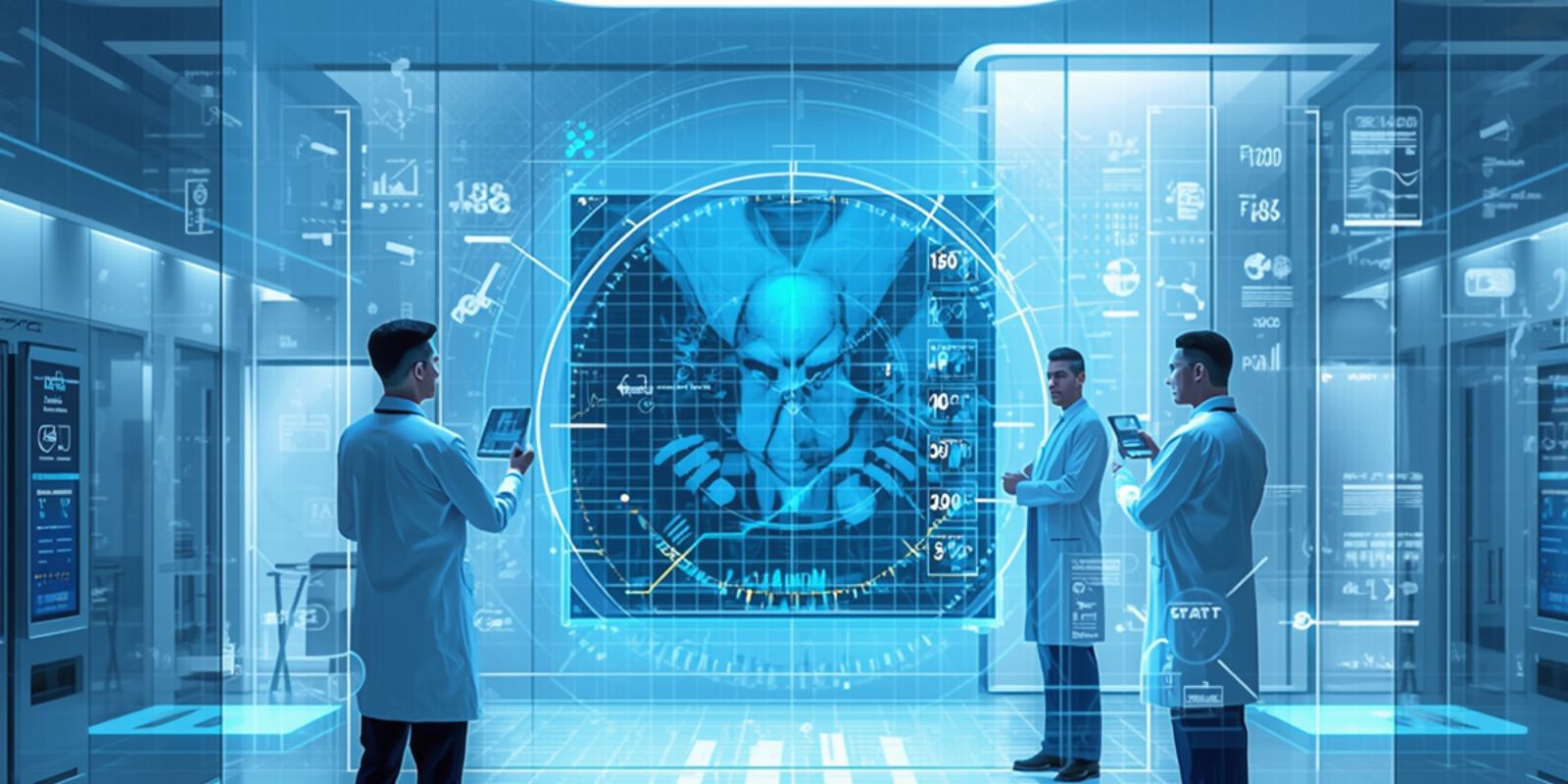
Smart Diagnostics Improve Patient Outcomes
Introduction
The healthcare industry is undergoing a remarkable transformation driven by technological innovation, data analytics, and patient-centered care. Among the most impactful advancements is the rise of smart diagnostics. These modern diagnostic tools and systems leverage artificial intelligence, machine learning, digital platforms, and connected devices to provide faster, more accurate, and more personalized insights into a patient’s health. As a result, smart diagnostics are playing a crucial role in improving patient outcomes, reducing healthcare costs, and enhancing the overall efficiency of medical systems.
In this article, we explore how smart diagnostics work, their key benefits, and how they are reshaping the future of healthcare delivery.
What Are Smart Diagnostics?
Smart diagnostics refer to the use of advanced technologies such as AI-powered algorithms, digital imaging, wearable devices, and automated laboratory systems to detect, monitor, and predict diseases. Unlike traditional diagnostics, which often rely on manual interpretation and isolated testing, smart diagnostics integrate data from multiple sources to provide comprehensive and real-time insights.
These systems can analyze vast amounts of medical data, including patient history, lab reports, imaging results, and even lifestyle patterns. By doing so, they help healthcare professionals make more informed decisions quickly and accurately.
The Role of Technology in Smart Diagnostics
Smart diagnostics are built on a foundation of cutting-edge technologies:
1. Artificial Intelligence and Machine Learning
AI algorithms can analyze medical images, detect abnormalities, and even predict disease progression. Machine learning models improve over time, increasing accuracy with more data.
2. Internet of Medical Things (IoMT)
Connected devices such as wearable health trackers and remote monitoring tools collect real-time data, enabling continuous patient observation.
3. Big Data Analytics
Large datasets from various sources are analyzed to identify patterns and trends, supporting early detection and preventive care.
4. Cloud Computing
Cloud platforms allow secure storage and sharing of patient data, ensuring accessibility for healthcare providers anytime, anywhere.
Benefits of Smart Diagnostics in Healthcare
1. Early Disease Detection
One of the most significant advantages of smart diagnostics is the ability to detect diseases at an early stage. Early diagnosis is critical for conditions such as cancer, diabetes, and cardiovascular diseases. Smart tools can identify subtle changes in the body that may go unnoticed in traditional tests.
Early detection leads to timely treatment, which significantly improves survival rates and reduces complications.
2. Improved Accuracy and Reduced Errors
Human error is a common challenge in traditional diagnostic methods. Smart diagnostics minimize this risk by using automated systems and AI-driven analysis. These tools can process data with high precision, reducing the chances of misdiagnosis.
For example, AI-based imaging tools can detect tumors or abnormalities in X-rays and MRIs with remarkable accuracy, often surpassing human capabilities.
3. Faster Diagnosis and Treatment
Time is a critical factor in healthcare. Smart diagnostics significantly reduce the time required to obtain results. Automated lab systems and real-time data processing enable quicker diagnosis, allowing healthcare providers to initiate treatment sooner.
This is especially important in emergency situations where rapid decision-making can save lives.
4. Personalized Treatment Plans
Every patient is unique, and smart diagnostics support personalized medicine by analyzing individual health data. These systems consider genetic information, lifestyle factors, and medical history to recommend tailored treatment plans.
Personalized care improves treatment effectiveness and enhances patient satisfaction.
5. Remote Monitoring and Continuous Care
Smart diagnostics enable remote patient monitoring through wearable devices and mobile health applications. Patients can track vital signs such as heart rate, blood pressure, and glucose levels from home.
Healthcare providers can access this data in real time, allowing them to intervene promptly if any abnormalities are detected. This is particularly beneficial for managing chronic conditions.
6. Cost Efficiency
While the initial investment in smart diagnostic technologies may be high, they ultimately reduce healthcare costs in the long run. Early detection prevents expensive treatments, and automation reduces labor costs.
Additionally, remote monitoring decreases hospital visits and readmissions, further lowering expenses for both patients and healthcare systems.
Applications of Smart Diagnostics
1. Oncology
Smart diagnostics are revolutionizing cancer detection and treatment. AI-powered imaging tools can identify tumors at early stages, while genomic testing helps in understanding cancer at a molecular level.
2. Cardiology
Wearable devices and smart monitoring systems track heart health continuously, helping detect irregularities such as arrhythmias and preventing serious cardiac events.
3. Infectious Diseases
Rapid diagnostic tools powered by smart technology can detect infections quickly, enabling timely isolation and treatment, which is crucial in controlling outbreaks.
4. Chronic Disease Management
Conditions like diabetes and hypertension benefit greatly from smart diagnostics. Continuous monitoring allows better disease management and reduces complications.
Challenges in Implementing Smart Diagnostics
Despite their numerous advantages, smart diagnostics face several challenges:
1. Data Privacy and Security
Handling sensitive patient data requires robust security measures to prevent breaches and ensure confidentiality.
2. High Initial Costs
The implementation of advanced technologies can be expensive, especially for smaller healthcare facilities.
3. Integration with Existing Systems
Adopting smart diagnostics requires seamless integration with current healthcare infrastructure, which can be complex.
4. Training and Adoption
Healthcare professionals need proper training to effectively use these technologies and interpret results.
The Future of Smart Diagnostics
The future of smart diagnostics looks promising, with continuous advancements in AI, biotechnology, and digital health. Innovations such as predictive analytics, virtual diagnostics, and at-home testing kits are expected to become more widespread.
As technology evolves, smart diagnostics will become more accessible and affordable, benefiting a larger population. The focus will shift from reactive treatment to proactive and preventive care, ultimately improving global health outcomes.
Conclusion
Smart diagnostics are transforming the healthcare landscape by enhancing accuracy, speed, and personalization in disease detection and treatment. By leveraging advanced technologies, these systems empower healthcare providers to deliver better care and improve patient outcomes.
From early detection and reduced errors to cost efficiency and remote monitoring, the benefits of smart diagnostics are undeniable. While challenges remain, ongoing innovation and investment will continue to drive their adoption.
In a world where timely and accurate healthcare is more important than ever, smart diagnostics represent a powerful tool for building a healthier future.