
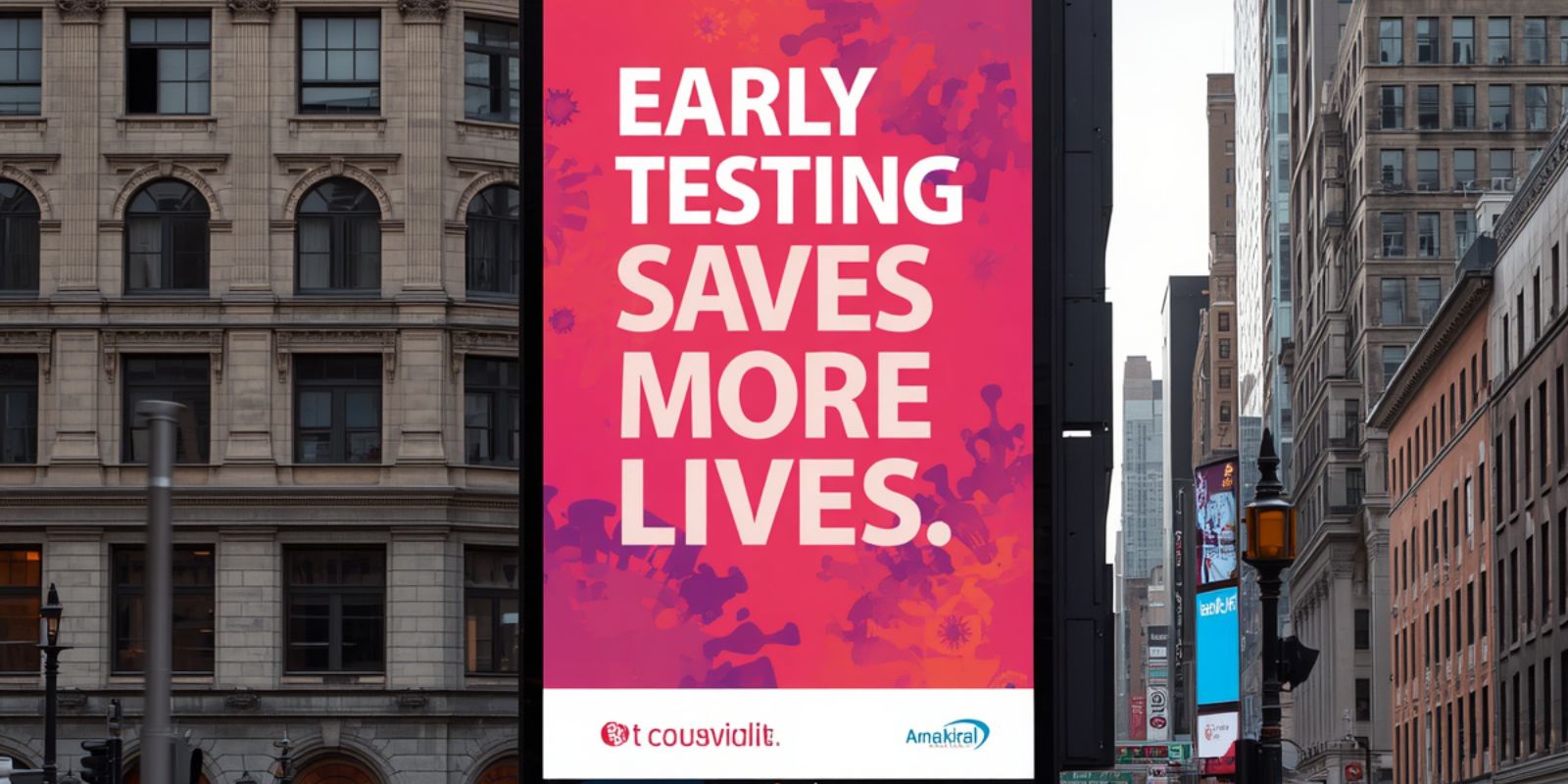
Early Testing Saves More Lives
Introduction
In today’s fast-paced world, health often takes a back seat until symptoms become severe. However, one of the most effective ways to prevent serious health complications is through early testing. Early detection of diseases not only improves survival rates but also reduces treatment costs and enhances quality of life. Whether it’s routine blood work, cancer screening, or infectious disease testing, identifying a condition in its initial stages can make a life-saving difference.
The concept of early testing is rooted in preventive healthcare—a proactive approach that emphasizes detecting diseases before they progress. From individuals to healthcare systems, embracing early testing can significantly reduce the burden of illness and mortality worldwide.
Why Early Testing Matters
Early testing is crucial because many diseases develop silently. Conditions such as diabetes, hypertension, and certain cancers may not show noticeable symptoms until they reach advanced stages. By the time symptoms appear, treatment becomes more complex and less effective.
Early detection allows healthcare providers to intervene sooner. For instance, identifying abnormal blood sugar levels early can help prevent the progression to diabetes. Similarly, detecting cancer in its initial stages can dramatically increase survival rates and reduce the need for aggressive treatments.
Benefits of Early Testing
1. Improved Survival Rates
One of the most significant advantages of early testing is increased survival. Diseases like cancer are far more treatable when detected early. For example, early-stage breast cancer has a much higher survival rate compared to advanced stages.
2. Cost-Effective Healthcare
Treating diseases in their early stages is generally less expensive than managing advanced conditions. Early testing reduces hospitalization, complex procedures, and long-term medication costs.
3. Better Quality of Life
Early intervention often means less invasive treatments and quicker recovery times. Patients can maintain their daily routines and avoid the physical and emotional toll of severe illness.
4. Prevention of Disease Progression
Early testing helps prevent diseases from worsening. For chronic conditions like hypertension, early diagnosis allows individuals to make lifestyle changes and avoid complications such as heart disease or stroke.
Common Types of Early Testing
1. Blood Tests
Routine blood tests can reveal a wide range of health issues, including infections, anemia, and metabolic disorders. These tests are often the first step in identifying potential problems.
2. Cancer Screenings
Screenings such as mammograms, Pap smears, and colonoscopies are essential for detecting cancer early. Regular screenings are recommended based on age, gender, and risk factors.
3. Imaging Tests
Techniques like X-rays, ultrasounds, and MRIs help detect abnormalities inside the body. These tests are crucial for identifying tumors, fractures, and organ-related issues.
4. Infectious Disease Testing
Early testing for infections such as tuberculosis, hepatitis, and viral illnesses helps prevent their spread and ensures timely treatment.
Role of Technology in Early Testing
Advancements in medical technology have revolutionized early testing. Modern diagnostic tools are faster, more accurate, and less invasive. Digital health platforms and wearable devices now enable continuous monitoring of vital signs, helping detect abnormalities in real time.
Artificial intelligence is also playing a growing role in diagnostics. AI-powered tools can analyze medical data quickly and identify patterns that might be missed by human observation, leading to earlier and more accurate diagnoses.
Barriers to Early Testing
Despite its benefits, several factors prevent people from seeking early testing:
- Lack of Awareness: Many individuals are unaware of the importance of regular health check-ups.
- Fear of Diagnosis: Some people avoid testing due to fear of discovering a serious illness.
- Cost Concerns: Although early testing is cost-effective in the long run, upfront costs can be a barrier.
- Limited Access: In rural or underserved areas, access to diagnostic facilities may be limited.
Addressing these barriers requires awareness campaigns, affordable healthcare services, and improved accessibility.
Importance of Regular Health Check-Ups
Routine health check-ups are the foundation of early testing. Regular visits to healthcare providers ensure that potential health issues are identified before they become serious. These check-ups typically include physical examinations, blood tests, and screenings tailored to an individual’s age and medical history.
Health experts recommend annual check-ups for adults, although the frequency may vary depending on risk factors and existing conditions.
Early Testing in Preventive Healthcare
Preventive healthcare focuses on reducing the risk of diseases before they occur. Early testing is a key component of this approach. By identifying risk factors and early signs of illness, individuals can take proactive steps to maintain their health.
Lifestyle changes such as a balanced diet, regular exercise, and stress management, combined with early testing, can significantly reduce the risk of chronic diseases.
Impact on Public Health
Early testing not only benefits individuals but also has a broader impact on public health. Detecting infectious diseases early helps prevent outbreaks and protects communities. Screening programs and vaccination initiatives rely heavily on early testing to control the spread of diseases.
Governments and healthcare organizations play a crucial role in promoting early testing through public awareness campaigns and accessible healthcare services.
How to Encourage Early Testing
Encouraging early testing requires a collective effort:
- Education and Awareness: Informing people about the benefits of early testing.
- Affordable Services: Making diagnostic tests accessible and affordable.
- Community Programs: Organizing health camps and screening drives.
- Digital Health Solutions: Using mobile apps and telemedicine to reach more people.
Conclusion
Early testing is a powerful tool in saving lives. It enables timely diagnosis, effective treatment, and better health outcomes. By embracing regular health check-ups and preventive healthcare practices, individuals can take control of their well-being.
The message is clear: don’t wait for symptoms to appear. Prioritize early testing and make it a part of your healthcare routine. In doing so, you not only protect your own life but also contribute to a healthier society.