
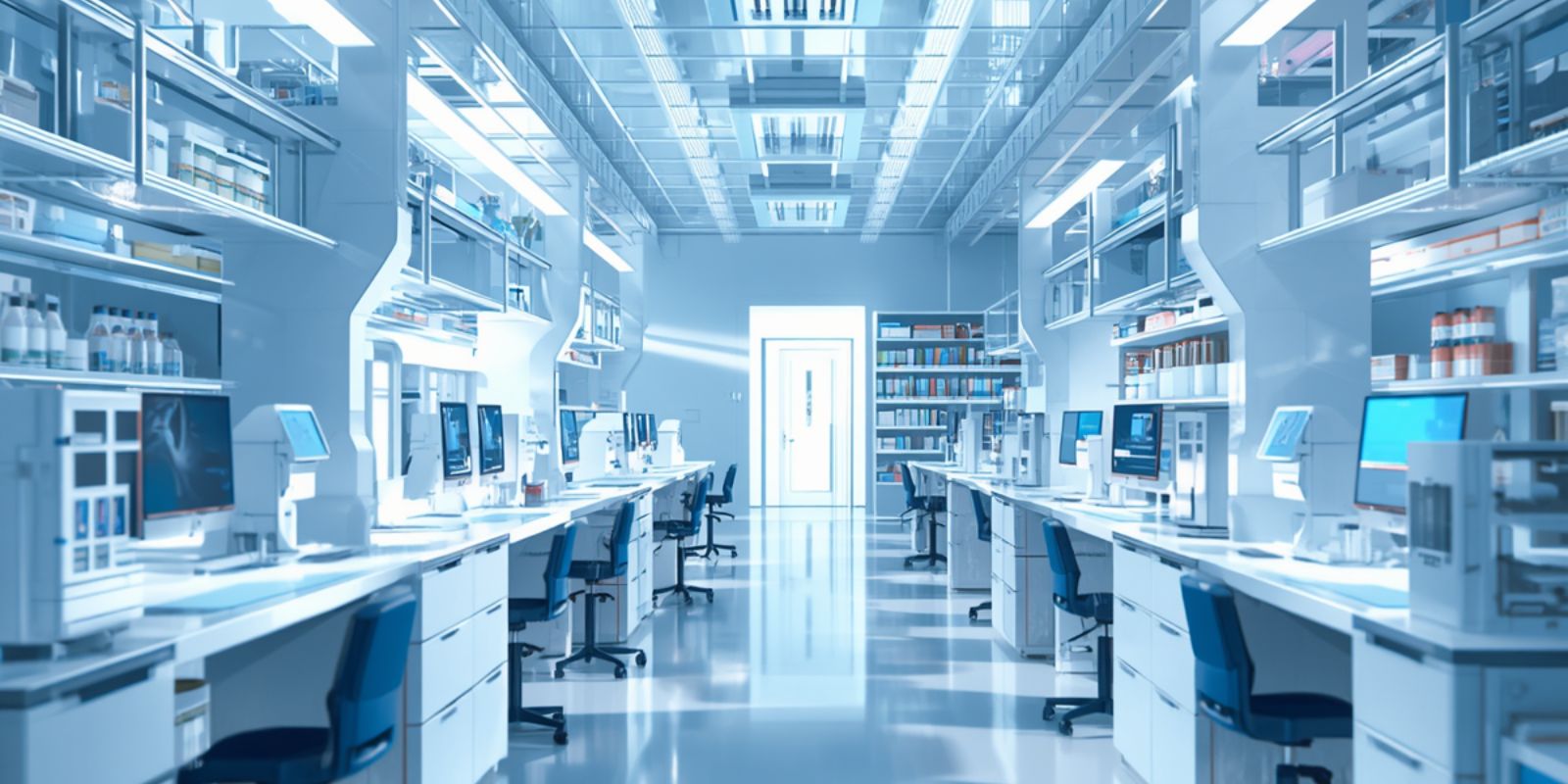
Modern Labs Improve Healthcare Quality
Introduction
In today’s rapidly evolving medical landscape, modern laboratories have become the backbone of high-quality healthcare delivery. With advancements in technology, automation, and data analytics, diagnostic labs are no longer just testing centers—they are critical decision-making hubs that empower physicians to deliver precise, timely, and effective treatments. The integration of modern laboratory practices has significantly improved healthcare outcomes, patient safety, and overall system efficiency.
From early disease detection to personalized treatment planning, modern labs play a pivotal role in enhancing healthcare quality. This article explores how these advanced diagnostic systems are transforming healthcare and why they are essential for a healthier future.
The Evolution of Medical Laboratories
Traditional laboratories relied heavily on manual processes, which were often time-consuming and prone to human error. However, modern labs have undergone a massive transformation through automation, digitalization, and the use of advanced diagnostic tools.
Today’s laboratories are equipped with:
- Automated analyzers
- Artificial intelligence (AI) systems
- Robotics for sample handling
- High-throughput testing capabilities
These innovations ensure faster turnaround times, higher accuracy, and improved reliability in test results, ultimately elevating the quality of healthcare services.
Enhanced Accuracy and Reliability
One of the most significant contributions of modern labs is the improved accuracy of diagnostic results. Advanced technologies minimize human intervention, reducing the chances of errors in sample handling, testing, and reporting.
Accurate lab results are crucial because:
- They guide clinical decisions
- Help in correct diagnosis
- Prevent unnecessary treatments
- Improve patient outcomes
Modern labs use standardized protocols and quality control measures to ensure consistency and precision. This reliability builds trust among healthcare providers and patients alike.
Faster Diagnosis and Treatment
Time is often a critical factor in healthcare, especially in emergencies or life-threatening conditions. Modern laboratories significantly reduce the time required to process tests and deliver results.
With rapid diagnostic tools, healthcare providers can:
- Detect diseases early
- Start treatment promptly
- Reduce hospital stays
- Improve survival rates
For instance, conditions like infections, heart diseases, and cancers can now be diagnosed much earlier than before, enabling timely medical intervention.
Early Disease Detection and Prevention
Modern labs play a vital role in preventive healthcare by enabling early detection of diseases. Advanced screening techniques can identify health issues even before symptoms appear.
Some key benefits include:
- Early identification of chronic diseases
- Monitoring risk factors
- Supporting preventive care strategies
- Reducing long-term healthcare costs
Regular lab testing helps individuals stay informed about their health status and take proactive steps to maintain wellness.
Integration of Advanced Technologies
Technology is at the heart of modern laboratory systems. Innovations such as artificial intelligence, machine learning, and big data analytics are transforming how diagnostic services are delivered.
These technologies help in:
- Analyzing large volumes of data quickly
- Identifying patterns and trends
- Supporting clinical decision-making
- Improving diagnostic accuracy
AI-powered tools can even predict disease risks, enabling personalized and preventive healthcare approaches.
Personalized Medicine and Tailored Treatments
Modern laboratories support the shift toward personalized medicine, where treatments are tailored to individual patient profiles. Genetic testing, molecular diagnostics, and biomarker analysis allow healthcare providers to design customized treatment plans.
Benefits of personalized medicine include:
- More effective treatments
- Reduced side effects
- Better patient outcomes
- Improved patient satisfaction
This approach ensures that patients receive the right treatment at the right time, based on their unique biological characteristics.
Improved Patient Safety
Patient safety is a top priority in healthcare, and modern labs contribute significantly to ensuring it. Accurate and timely lab results help avoid misdiagnosis, medication errors, and unnecessary procedures.
Modern labs enhance safety by:
- Reducing diagnostic errors
- Ensuring proper sample tracking
- Maintaining strict quality standards
- Providing reliable data for treatment decisions
This leads to safer healthcare practices and better patient experiences.
Streamlined Healthcare Processes
Modern laboratories improve the efficiency of healthcare systems by streamlining workflows and reducing delays. Automation and digital systems enable seamless communication between labs, hospitals, and healthcare providers.
Key advantages include:
- Faster reporting
- Reduced administrative workload
- Improved coordination among healthcare teams
- Enhanced patient management
These efficiencies not only improve healthcare quality but also reduce operational costs.
Support for Research and Innovation
Modern labs are not just diagnostic centers—they are also hubs for medical research and innovation. Advanced laboratory technologies enable researchers to study diseases more effectively and develop new treatments.
They contribute to:
- Drug development
- Vaccine research
- Clinical trials
- Understanding disease mechanisms
This continuous innovation drives the advancement of healthcare and improves treatment options for patients worldwide.
Accessibility and Convenience
With the rise of digital health platforms and home testing services, modern labs have made healthcare more accessible and convenient for patients.
Patients can now:
- Book tests online
- Access digital reports
- Opt for home sample collection
- Monitor health remotely
This convenience encourages more people to undergo regular health checkups, promoting preventive healthcare and early intervention.
Cost-Effectiveness in Healthcare
Although advanced technologies may seem expensive, modern labs actually contribute to cost savings in the long run. Early diagnosis and accurate treatment reduce the need for prolonged hospital stays and expensive procedures.
Cost benefits include:
- Reduced unnecessary tests
- Efficient use of resources
- Lower treatment costs
- Better health outcomes
This makes healthcare more affordable and sustainable for both patients and providers.
Challenges and Future Outlook
Despite their many advantages, modern laboratories face certain challenges, such as:
- High initial investment costs
- Need for skilled professionals
- Data privacy concerns
- Integration with existing systems
However, with ongoing advancements and increasing adoption of digital health technologies, these challenges are gradually being addressed.
The future of modern labs looks promising, with innovations such as:
- Point-of-care testing
- Wearable health monitoring devices
- Advanced genomics
- AI-driven diagnostics
These developments will further enhance healthcare quality and accessibility.
Conclusion
Modern laboratories have revolutionized the healthcare industry by improving accuracy, speed, and efficiency in diagnostics. They play a crucial role in early disease detection, personalized treatment, and patient safety. By integrating advanced technologies and innovative practices, modern labs are transforming healthcare into a more precise, proactive, and patient-centered system.
As healthcare continues to evolve, the importance of modern laboratories will only grow. Investing in advanced diagnostic infrastructure is essential for delivering high-quality healthcare and ensuring better health outcomes for all.