
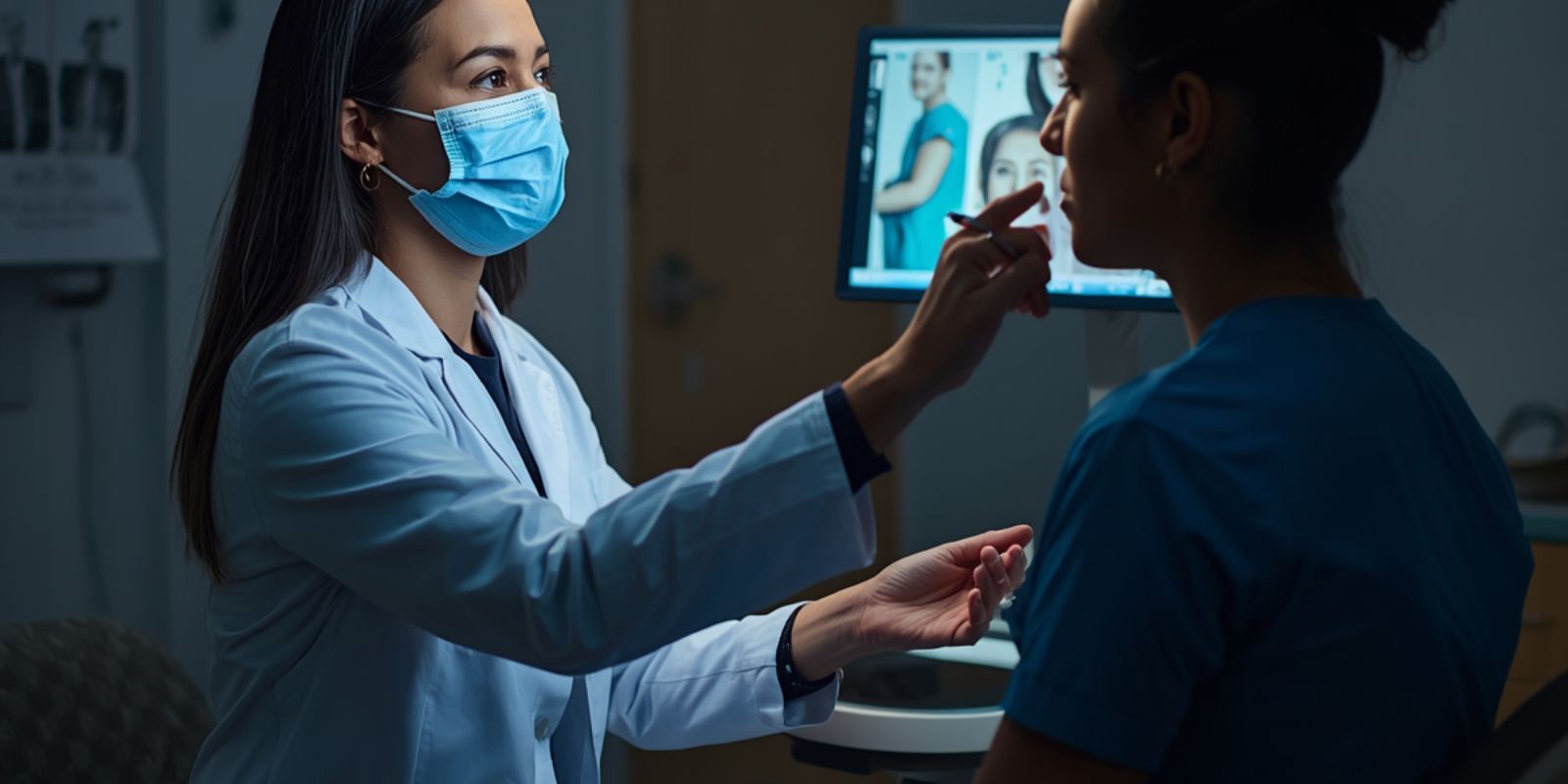
Timely Screening Prevents Disease Progression
In today’s fast-paced world, where lifestyles are increasingly sedentary and stress levels are high, health often takes a back seat. Many individuals tend to seek medical attention only when symptoms become severe, overlooking the silent progression of diseases that develop over time. Timely health screening plays a crucial role in identifying potential health issues before they escalate into serious conditions. It is a proactive approach that not only saves lives but also improves the quality of life by enabling early intervention and effective management.
Understanding Timely Screening
Timely screening refers to routine medical tests and check-ups conducted at appropriate intervals to detect diseases in their early stages. These screenings are often recommended based on age, gender, family history, and lifestyle factors. Organizations like the World Health Organization emphasize the importance of early detection in reducing the burden of chronic and life-threatening diseases.
Screening is different from diagnostic testing. While diagnostic tests are conducted when symptoms appear, screening is done even when an individual feels healthy. The primary goal is to identify hidden risks and prevent disease progression.
The Importance of Early Detection
Many serious health conditions such as cancer, diabetes, cardiovascular diseases, and hypertension develop gradually and may not show symptoms in the early stages. By the time symptoms appear, the disease may already be advanced, making treatment more complex and less effective.
Timely screening allows healthcare providers to:
- Detect diseases early when they are easier to treat
- Reduce the risk of complications
- Improve survival rates
- Lower healthcare costs in the long run
For instance, early detection of breast cancer through mammography significantly increases the chances of successful treatment. Similarly, regular blood sugar tests can help identify prediabetes and prevent the onset of full-blown diabetes.
Preventing Disease Progression
One of the most significant advantages of timely screening is its ability to halt or slow down disease progression. When a condition is identified early, appropriate lifestyle changes, medications, or therapies can be initiated promptly.
For example:
- Detecting high blood pressure early can prevent heart disease and stroke
- Identifying high cholesterol levels can reduce the risk of atherosclerosis
- Screening for cervical cancer can prevent invasive cancer through early treatment
Screening acts as a preventive shield, allowing individuals to take control of their health before irreversible damage occurs.
Common Types of Health Screenings
Different screenings are recommended for different age groups and risk categories. Some of the most common screenings include:
1. Blood Pressure Screening
High blood pressure, also known as hypertension, is often called the “silent killer” because it rarely shows symptoms. Regular monitoring helps in early detection and management.
2. Blood Sugar Tests
These tests help in detecting diabetes or prediabetes. Early intervention can prevent complications such as kidney failure, nerve damage, and vision problems.
3. Cholesterol Screening
High cholesterol levels can lead to heart disease. Screening helps in identifying risks and managing them through diet, exercise, and medication.
4. Cancer Screenings
Screenings such as mammograms, Pap smears, and colonoscopies are essential for detecting cancers at an early stage.
5. Body Mass Index (BMI)
Monitoring BMI helps assess whether an individual is underweight, normal, overweight, or obese, which is a key factor in many chronic diseases.
Role of Lifestyle in Screening Outcomes
While screening is essential, its effectiveness is closely linked to lifestyle choices. Healthy habits can significantly reduce the risk of disease progression even after early detection.
Key lifestyle practices include:
- Maintaining a balanced diet rich in fruits and vegetables
- Engaging in regular physical activity
- Avoiding tobacco and limiting alcohol consumption
- Managing stress effectively
- Getting adequate sleep
When combined with timely screening, these habits create a strong foundation for long-term health.
Screening Across Different Life Stages
Health screening needs vary depending on age and life stage. Understanding these variations ensures that individuals receive appropriate care at the right time.
Children and Adolescents
Screenings focus on growth, development, vision, hearing, and vaccinations.
Adults
Routine screenings include blood pressure, cholesterol, blood sugar, and cancer screenings based on risk factors.
Older Adults
Screenings become more frequent and may include bone density tests, cognitive assessments, and screenings for chronic diseases.
Overcoming Barriers to Screening
Despite its benefits, many people avoid health screenings due to various reasons such as fear, lack of awareness, cost concerns, or busy schedules. Addressing these barriers is essential to promote a culture of preventive healthcare.
Ways to overcome these challenges include:
- Increasing awareness through education and community programs
- Making screenings more accessible and affordable
- Encouraging regular health check-ups as part of routine life
- Leveraging workplace wellness programs
Healthcare systems and governments play a vital role in ensuring that screening services are widely available and affordable.
The Economic Impact of Early Screening
Timely screening is not only beneficial for individuals but also for the healthcare system as a whole. Treating advanced diseases is significantly more expensive than managing conditions detected early.
Early detection reduces:
- Hospitalization costs
- Need for complex surgeries
- Long-term medication expenses
- Loss of productivity due to illness
Investing in preventive healthcare through screening leads to substantial economic savings and a healthier population.
Technological Advancements in Screening
Advancements in medical technology have made screening more accurate, faster, and accessible. Digital health tools, wearable devices, and telemedicine have revolutionized the way screenings are conducted and monitored.
Modern innovations include:
- AI-powered diagnostic tools
- Mobile health apps for tracking vital signs
- Remote monitoring devices
- Advanced imaging techniques
These technologies enhance early detection and enable continuous health monitoring, making screening more efficient and user-friendly.
Building a Preventive Healthcare Mindset
Creating awareness about the importance of timely screening is crucial in building a preventive healthcare culture. Individuals should view screenings not as optional but as essential components of their health routine.
Employers, healthcare providers, and policymakers must work together to:
- Promote regular health check-ups
- Provide incentives for preventive care
- Integrate screening into primary healthcare services
A proactive approach to health can significantly reduce the burden of diseases and improve overall well-being.
Conclusion
Timely screening is a powerful tool in preventing disease progression and ensuring a healthier future. By detecting health issues early, individuals can take appropriate actions to manage and treat conditions before they become severe. It not only saves lives but also enhances the quality of life and reduces healthcare costs.
Incorporating regular screenings into daily life, along with healthy lifestyle choices, creates a strong defense against chronic diseases. As emphasized by global health authorities like the World Health Organization, early detection and prevention are key to achieving better health outcomes for individuals and communities alike.