
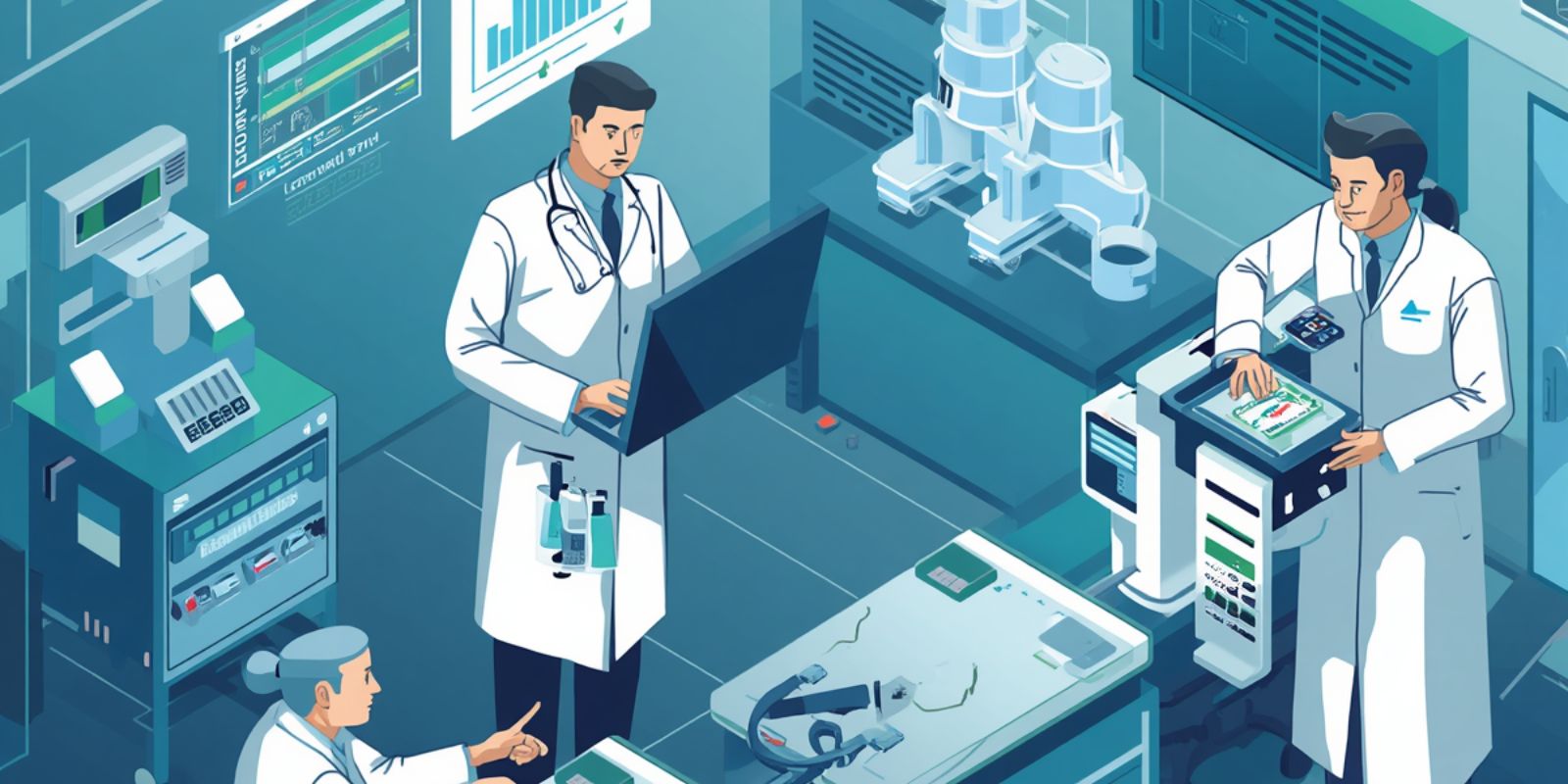
Diagnostic Testing Improves Healthcare Outcomes
Introduction
In modern healthcare, diagnostic testing plays a crucial role in improving patient outcomes, guiding treatment decisions, and enhancing overall medical efficiency. From routine blood tests to advanced imaging technologies, diagnostic tools provide healthcare professionals with critical insights into a patient’s condition. Without accurate diagnostic testing, effective treatment becomes challenging, often leading to delayed recovery or complications.
As healthcare systems continue to evolve, the emphasis on early detection and preventive care has increased significantly. Diagnostic testing not only helps in identifying diseases at an early stage but also ensures that patients receive the right treatment at the right time. This article explores how diagnostic testing improves healthcare outcomes, its benefits, and its impact on modern medical practices.
Understanding Diagnostic Testing
Diagnostic testing refers to medical procedures used to determine the presence, absence, or severity of a disease. These tests include laboratory tests, imaging scans, genetic testing, and screening procedures. Each type of diagnostic test serves a specific purpose and provides valuable data that helps healthcare providers make informed decisions.
Common types of diagnostic testing include:
- Laboratory Tests: Blood tests, urine tests, and tissue analysis
- Imaging Tests: X-rays, CT scans, MRIs, and ultrasounds
- Screening Tests: Cancer screenings, cholesterol checks, and diabetes tests
- Genetic Testing: Identifying inherited conditions
These diagnostic methods are essential for accurate disease identification and management.
Early Detection Saves Lives
One of the most significant advantages of diagnostic testing is early detection. Many diseases, including cancer, diabetes, and cardiovascular conditions, can develop silently without noticeable symptoms. Diagnostic tests help detect these conditions at an early stage, allowing for timely intervention.
Early detection leads to:
- Higher chances of successful treatment
- Reduced risk of complications
- Lower healthcare costs in the long run
- Improved survival rates
For example, routine screenings can identify abnormalities before they become life-threatening, enabling preventive measures and early treatment.
Accurate Diagnosis Leads to Effective Treatment
Accurate diagnosis is the foundation of effective healthcare. Diagnostic testing provides precise information about a patient’s condition, helping doctors choose the most appropriate treatment plan.
Without proper testing, healthcare providers may rely on symptoms alone, which can sometimes be misleading. Diagnostic tests eliminate guesswork and ensure that treatment is based on factual data.
Benefits of accurate diagnosis include:
- Targeted treatment plans
- Reduced risk of misdiagnosis
- Faster recovery times
- Better patient outcomes
This accuracy is especially important in complex conditions where symptoms overlap with multiple diseases.
Enhancing Preventive Healthcare
Preventive healthcare focuses on avoiding diseases before they occur. Diagnostic testing plays a vital role in this approach by identifying risk factors and early warning signs.
Regular health check-ups and screenings help individuals:
- Monitor their health status
- Detect potential health issues early
- Make lifestyle changes to prevent diseases
- Reduce the burden on healthcare systems
Preventive diagnostic testing encourages individuals to take proactive steps toward maintaining their health, ultimately leading to better outcomes.
Monitoring Disease Progression
For patients with chronic conditions, diagnostic testing is essential for monitoring disease progression. Regular testing helps healthcare providers track how a disease is evolving and whether the current treatment is effective.
Examples include:
- Monitoring blood sugar levels in diabetes
- Tracking cholesterol levels in heart disease
- Evaluating tumor growth in cancer patients
Continuous monitoring allows doctors to adjust treatment plans as needed, ensuring optimal care and preventing complications.
Improving Patient Safety
Diagnostic testing significantly enhances patient safety by reducing the risk of medical errors. Accurate test results help healthcare providers avoid incorrect treatments and ensure that patients receive appropriate care.
Patient safety benefits include:
- Minimizing medication errors
- Preventing unnecessary procedures
- Identifying potential health risks
- Ensuring timely intervention
In critical care situations, timely diagnostic testing can be life-saving by enabling quick decision-making.
Supporting Advanced Medical Technologies
The advancement of medical technology has greatly improved the accuracy and efficiency of diagnostic testing. Innovations such as digital imaging, automated laboratory systems, and artificial intelligence have revolutionized healthcare diagnostics.
Modern diagnostic technologies offer:
- Faster results
- Higher accuracy
- Improved efficiency
- Enhanced patient experience
These advancements allow healthcare providers to diagnose conditions more quickly and accurately, leading to better patient outcomes.
Reducing Healthcare Costs
Although diagnostic testing involves upfront costs, it ultimately helps reduce overall healthcare expenses. Early detection and accurate diagnosis prevent the need for expensive treatments and hospitalizations.
Cost-saving benefits include:
- Avoiding advanced-stage treatments
- Reducing hospital stays
- Minimizing unnecessary tests and procedures
- Improving resource allocation
By investing in diagnostic testing, healthcare systems can achieve long-term cost efficiency while improving patient care.
Personalized Treatment Plans
Diagnostic testing enables personalized medicine, where treatment is tailored to an individual’s specific condition and genetic makeup. This approach improves treatment effectiveness and reduces the risk of adverse reactions.
Personalized healthcare benefits include:
- Customized treatment strategies
- Better patient outcomes
- Reduced side effects
- Improved patient satisfaction
Genetic testing, in particular, has opened new possibilities for precision medicine, allowing treatments to be designed based on a patient’s unique characteristics.
Challenges in Diagnostic Testing
Despite its numerous benefits, diagnostic testing also faces certain challenges:
- Limited access in rural or underserved areas
- High costs of advanced diagnostic tools
- Need for skilled professionals
- Risk of false positives or negatives
Addressing these challenges is essential to ensure that diagnostic testing is accessible and reliable for everyone.
The Future of Diagnostic Testing
The future of diagnostic testing is promising, with continuous advancements in technology and research. Emerging trends include:
- Artificial intelligence in diagnostics
- Point-of-care testing
- Wearable health monitoring devices
- Advanced genetic and molecular testing
These innovations are expected to make diagnostic testing more accessible, accurate, and efficient, further improving healthcare outcomes.
Conclusion
Diagnostic testing is a cornerstone of modern healthcare, playing a vital role in improving patient outcomes, enhancing safety, and supporting effective treatment. From early detection to disease monitoring, diagnostic tools provide valuable insights that guide medical decisions and ensure better care.
As healthcare continues to evolve, the importance of diagnostic testing will only grow. By investing in advanced diagnostic technologies and promoting preventive healthcare, we can create a more efficient and effective healthcare system that benefits everyone.