
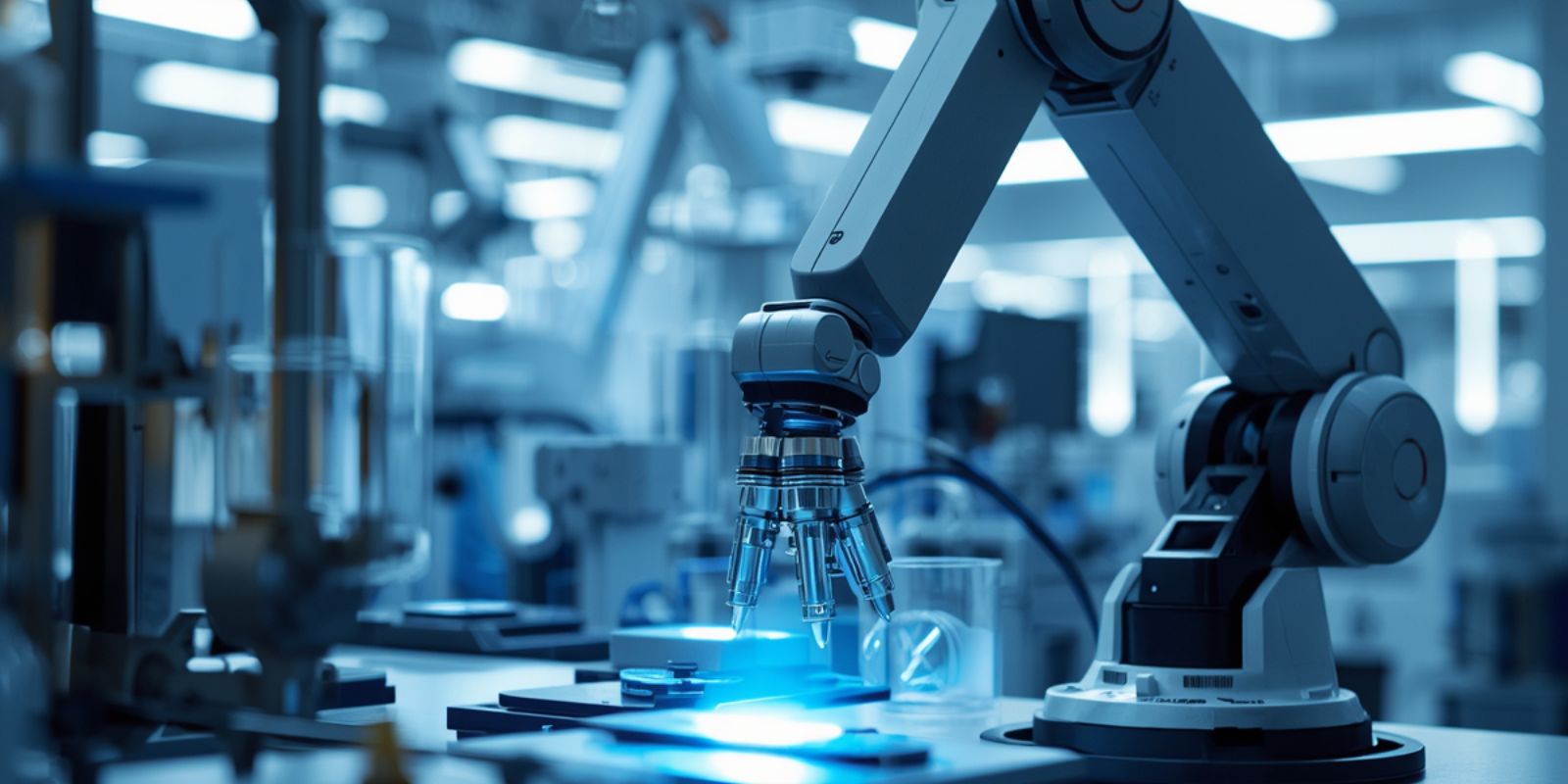
Modern Technology Enhances Lab Accuracy
Introduction
In today’s rapidly evolving healthcare landscape, laboratory accuracy plays a crucial role in ensuring proper diagnosis, treatment, and patient safety. Laboratories are the backbone of medical decision-making, providing essential data that clinicians rely on to detect diseases, monitor health conditions, and guide therapies. With the integration of modern technology, laboratory accuracy has improved significantly, minimizing errors and delivering faster, more reliable results.
From automation and artificial intelligence to advanced diagnostic equipment and digital data management systems, technology is transforming how laboratories operate. These advancements not only improve precision but also enhance efficiency, reduce turnaround times, and support better healthcare outcomes.
The Importance of Accuracy in Laboratory Testing
Accurate laboratory results are critical for effective healthcare delivery. Even a minor error in test results can lead to misdiagnosis, incorrect treatment, or delayed care. For example, inaccurate blood glucose readings may result in improper diabetes management, while incorrect pathology reports could affect cancer treatment decisions.
Laboratory accuracy ensures:
- Correct diagnosis of diseases
- Appropriate treatment plans
- Effective monitoring of chronic conditions
- Improved patient safety and trust
Modern technology addresses many of the traditional challenges laboratories faced, such as human error, manual data entry mistakes, and inconsistent procedures.
Automation in Laboratories
One of the most significant advancements in laboratory technology is automation. Automated systems handle repetitive tasks such as sample processing, testing, and data recording with high precision.
Benefits of Automation:
- Reduced Human Error: Machines perform tasks consistently without fatigue.
- Increased Efficiency: Large volumes of samples can be processed quickly.
- Improved Consistency: Standardized procedures ensure uniform results.
- Faster Turnaround Time: Results are delivered more quickly to healthcare providers.
Automated analyzers and robotic systems are now commonly used in clinical laboratories, allowing technicians to focus on more complex tasks rather than routine procedures.
Artificial Intelligence and Machine Learning
Artificial intelligence (AI) and machine learning (ML) are revolutionizing laboratory diagnostics by enhancing data analysis and interpretation.
Key Applications:
- Pattern Recognition: AI can detect patterns in test results that may be missed by humans.
- Predictive Analysis: ML models help predict disease progression and outcomes.
- Error Detection: AI systems can flag abnormal or inconsistent results for review.
For instance, AI-powered diagnostic tools are increasingly used in radiology and pathology to improve accuracy and reduce diagnostic errors.
Advanced Diagnostic Equipment
Modern laboratories are equipped with highly sophisticated instruments that deliver precise and reliable results.
Examples Include:
- Next-Generation Sequencing (NGS): Enables detailed genetic analysis.
- High-Performance Liquid Chromatography (HPLC): Provides accurate chemical analysis.
- Automated Immunoassay Analyzers: Improve detection of hormones, proteins, and infections.
These technologies allow for early detection of diseases and more personalized treatment approaches, significantly enhancing patient care.
Digital Data Management Systems
The shift from paper-based records to digital systems has greatly improved laboratory accuracy and efficiency.
Advantages:
- Reduced Data Entry Errors: Automated data capture minimizes manual mistakes.
- Easy Access to Information: Clinicians can quickly retrieve patient reports.
- Improved Data Security: Digital systems protect sensitive patient information.
- Seamless Integration: Laboratory systems can integrate with hospital information systems.
Laboratory Information Management Systems (LIMS) play a crucial role in managing samples, tracking results, and ensuring quality control.
Quality Control and Standardization
Modern technology supports strict quality control measures and standardization in laboratory processes.
Key Features:
- Automated Quality Checks: Systems continuously monitor performance.
- Calibration and Validation: Instruments are regularly calibrated for accuracy.
- Standard Operating Procedures (SOPs): Digital systems ensure adherence to protocols.
These measures ensure that laboratory results are consistent, reliable, and compliant with regulatory standards.
Real-Time Monitoring and Connectivity
With the advent of the Internet of Things (IoT), laboratories can now monitor equipment and processes in real time.
Benefits:
- Immediate Alerts: Systems notify technicians of equipment malfunctions.
- Remote Monitoring: Lab managers can oversee operations from anywhere.
- Improved Maintenance: Predictive maintenance reduces downtime.
Connectivity between devices and systems ensures smooth workflow and minimizes disruptions, contributing to higher accuracy.
Point-of-Care Testing (POCT)
Point-of-care testing allows diagnostic tests to be performed near the patient, providing immediate results.
Advantages:
- Rapid Decision-Making: Doctors can make quick treatment decisions.
- Reduced Sample Handling: Minimizes risk of contamination or errors.
- Enhanced Patient Experience: Faster results improve patient satisfaction.
Modern POCT devices are highly accurate and user-friendly, making them a valuable addition to healthcare settings.
Role of Robotics in Laboratories
Robotics is increasingly being used in laboratories to handle complex and repetitive tasks.
Applications:
- Sample Sorting and Handling
- Automated Pipetting
- High-Throughput Screening
Robots ensure precision and consistency, significantly reducing variability and human error in laboratory processes.
Cloud Computing and Data Sharing
Cloud technology has transformed how laboratory data is stored and shared.
Key Benefits:
- Centralized Data Storage: All data is stored in one secure location.
- Easy Collaboration: Healthcare professionals can access data remotely.
- Scalability: Systems can handle large volumes of data efficiently.
Cloud-based platforms enable faster communication between laboratories and healthcare providers, improving overall efficiency and accuracy.
Challenges and Considerations
While modern technology offers numerous benefits, there are also challenges that laboratories must address:
- High Initial Costs: Advanced equipment and systems can be expensive.
- Training Requirements: Staff need proper training to use new technologies.
- Data Security Risks: Digital systems must be protected from cyber threats.
- System Integration Issues: Ensuring compatibility between different systems can be complex.
Despite these challenges, the long-term benefits of improved accuracy and efficiency outweigh the initial hurdles.
Future Trends in Laboratory Technology
The future of laboratory diagnostics looks promising, with continuous advancements in technology.
Emerging Trends:
- AI-Driven Diagnostics: More accurate and faster disease detection.
- Personalized Medicine: Tailored treatments based on genetic data.
- Miniaturized Devices: Portable and cost-effective testing solutions.
- Blockchain for Data Security: Enhanced protection of patient information.
These innovations will further enhance laboratory accuracy and transform healthcare delivery.
Conclusion
Modern technology has significantly enhanced laboratory accuracy, making diagnostic processes more reliable, efficient, and precise. Automation, artificial intelligence, advanced equipment, and digital systems have revolutionized how laboratories operate, reducing errors and improving patient outcomes.
As technology continues to evolve, laboratories will become even more sophisticated, enabling faster diagnoses and better healthcare decisions. Investing in modern laboratory technology is not just a step forward—it is a necessity for ensuring high-quality patient care in today’s world.