
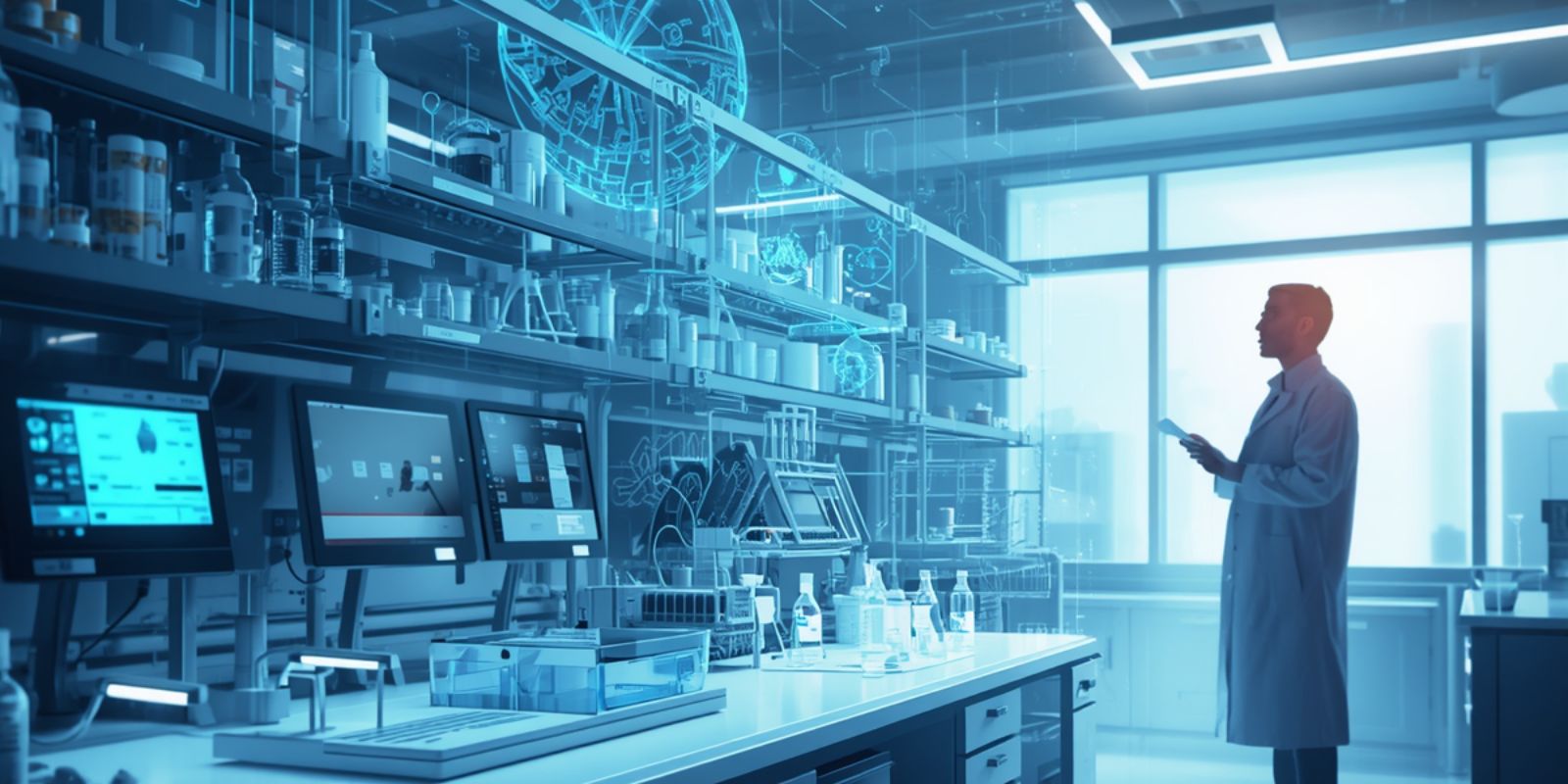
Lab Innovations Improve Diagnostic Efficiency
Introduction
In today’s rapidly evolving healthcare landscape, diagnostic laboratories play a critical role in patient care. Accurate and timely diagnostics are essential for disease detection, treatment planning, and ongoing monitoring. However, traditional laboratory processes often faced challenges such as manual errors, long turnaround times, and inefficiencies in data management. With the rise of advanced technologies and innovative practices, laboratories are undergoing a significant transformation. These lab innovations are improving diagnostic efficiency, enhancing accuracy, and ultimately leading to better patient outcomes.
The Need for Innovation in Diagnostics
Healthcare demands are increasing due to population growth, aging demographics, and the rise of chronic diseases. Laboratories must process higher volumes of tests while maintaining precision and speed. Conventional methods, though reliable, are often labor-intensive and time-consuming. Delays in diagnostic results can affect treatment decisions and patient satisfaction.
Innovation addresses these challenges by introducing automation, digital tools, and smart systems that streamline operations. Modern labs are no longer just testing centers—they are intelligent ecosystems that integrate technology to deliver faster and more reliable results.
Automation in Laboratory Processes
One of the most impactful innovations in diagnostics is automation. Automated systems handle repetitive tasks such as sample sorting, labeling, testing, and reporting. This reduces human intervention and minimizes the risk of errors.
Automation enhances efficiency by:
- Increasing throughput and handling large sample volumes
- Reducing turnaround time for test results
- Ensuring consistency and standardization
- Allowing laboratory staff to focus on complex tasks
For example, automated analyzers can process hundreds of samples per hour, delivering precise results in a fraction of the time required by manual methods. This not only improves efficiency but also boosts overall productivity.
Integration of Artificial Intelligence (AI)
Artificial Intelligence is revolutionizing diagnostic laboratories by enabling smarter decision-making. AI algorithms analyze large datasets to identify patterns and anomalies that may not be easily detected by humans.
In diagnostics, AI is used for:
- Interpreting medical images
- Predicting disease progression
- Identifying abnormal test results
- Assisting in clinical decision-making
AI-driven tools enhance accuracy and reduce diagnostic errors. They also provide valuable insights that help healthcare professionals make informed decisions quickly. As AI continues to evolve, its role in diagnostics will become even more significant.
Digitalization and Data Management
Digital transformation is another key factor improving diagnostic efficiency. Laboratory Information Management Systems (LIMS) and electronic health records (EHRs) streamline data handling and communication.
Benefits of digitalization include:
- Easy access to patient data
- Real-time tracking of samples
- Seamless integration with hospital systems
- Improved data accuracy and security
Digital systems eliminate paperwork and reduce the chances of data loss or misinterpretation. They also enable faster sharing of results with healthcare providers, leading to quicker diagnosis and treatment.
Point-of-Care Testing (POCT)
Point-of-care testing is a major innovation that brings diagnostic services closer to patients. Instead of sending samples to a central lab, tests are performed at or near the patient’s location.
Advantages of POCT include:
- Immediate results
- Faster clinical decisions
- Reduced need for patient travel
- Improved patient experience
POCT is especially valuable in emergency situations, rural areas, and critical care settings. It ensures that patients receive timely care without delays associated with traditional lab testing.
Advanced Diagnostic Technologies
Modern laboratories are equipped with cutting-edge technologies that enhance diagnostic capabilities. These include molecular diagnostics, next-generation sequencing, and high-throughput screening.
These technologies enable:
- Early detection of diseases
- Accurate identification of pathogens
- Personalized treatment planning
- Monitoring of genetic conditions
For instance, molecular diagnostics can detect diseases at a very early stage, even before symptoms appear. This allows for timely intervention and better prognosis.
Robotics in Laboratories
Robotics is increasingly being used in diagnostic labs to automate complex workflows. Robotic systems can handle tasks such as sample preparation, pipetting, and analysis with high precision.
Benefits of robotics include:
- Reduced human error
- Increased efficiency and speed
- Improved safety for lab personnel
- Consistent and reproducible results
Robots can work continuously without fatigue, making them ideal for high-demand laboratory environments. Their integration significantly enhances operational efficiency.
Cloud Computing and Connectivity
Cloud technology is transforming how laboratories store and share data. Cloud-based systems enable remote access to information, facilitating collaboration among healthcare professionals.
Key advantages of cloud computing:
- Secure data storage
- Scalability and flexibility
- Remote access to test results
- Enhanced collaboration
With cloud integration, laboratories can connect with hospitals, clinics, and specialists seamlessly. This improves coordination and ensures that patients receive timely and accurate care.
Quality Control and Standardization
Innovations in quality control are essential for maintaining high standards in diagnostics. Advanced monitoring systems track performance and ensure compliance with regulatory guidelines.
Quality improvements include:
- Automated quality checks
- Real-time error detection
- Standardized testing procedures
- Continuous performance monitoring
These measures ensure that diagnostic results are reliable and consistent, which is crucial for effective patient care.
Impact on Healthcare Outcomes
The integration of innovative technologies in laboratories has a direct impact on healthcare outcomes. Faster and more accurate diagnostics lead to early detection of diseases, timely treatment, and better patient management.
Improved diagnostic efficiency results in:
- Reduced hospital stays
- Lower healthcare costs
- Enhanced patient satisfaction
- Better disease prevention and control
Healthcare providers can make quicker decisions, reducing the risk of complications and improving overall patient health.
Challenges and Future Prospects
Despite the benefits, implementing lab innovations comes with challenges such as high costs, need for skilled personnel, and data security concerns. However, ongoing advancements and increased investments in healthcare technology are addressing these issues.
The future of diagnostic laboratories is promising, with emerging trends such as:
- Integration of IoT (Internet of Things)
- Expansion of telemedicine
- Use of wearable diagnostic devices
- Further advancements in AI and machine learning
These innovations will continue to enhance diagnostic efficiency and revolutionize healthcare delivery.
Conclusion
Lab innovations are transforming the diagnostic landscape by improving efficiency, accuracy, and speed. Automation, AI, digitalization, and advanced technologies are enabling laboratories to meet the growing demands of modern healthcare. As these innovations continue to evolve, they will play an increasingly vital role in improving patient outcomes and ensuring high-quality care.
Investing in innovative laboratory solutions is not just a technological advancement—it is a necessity for building a more efficient and effective healthcare system. By embracing these changes, healthcare providers can deliver faster diagnoses, better treatments, and improved patient experiences.