
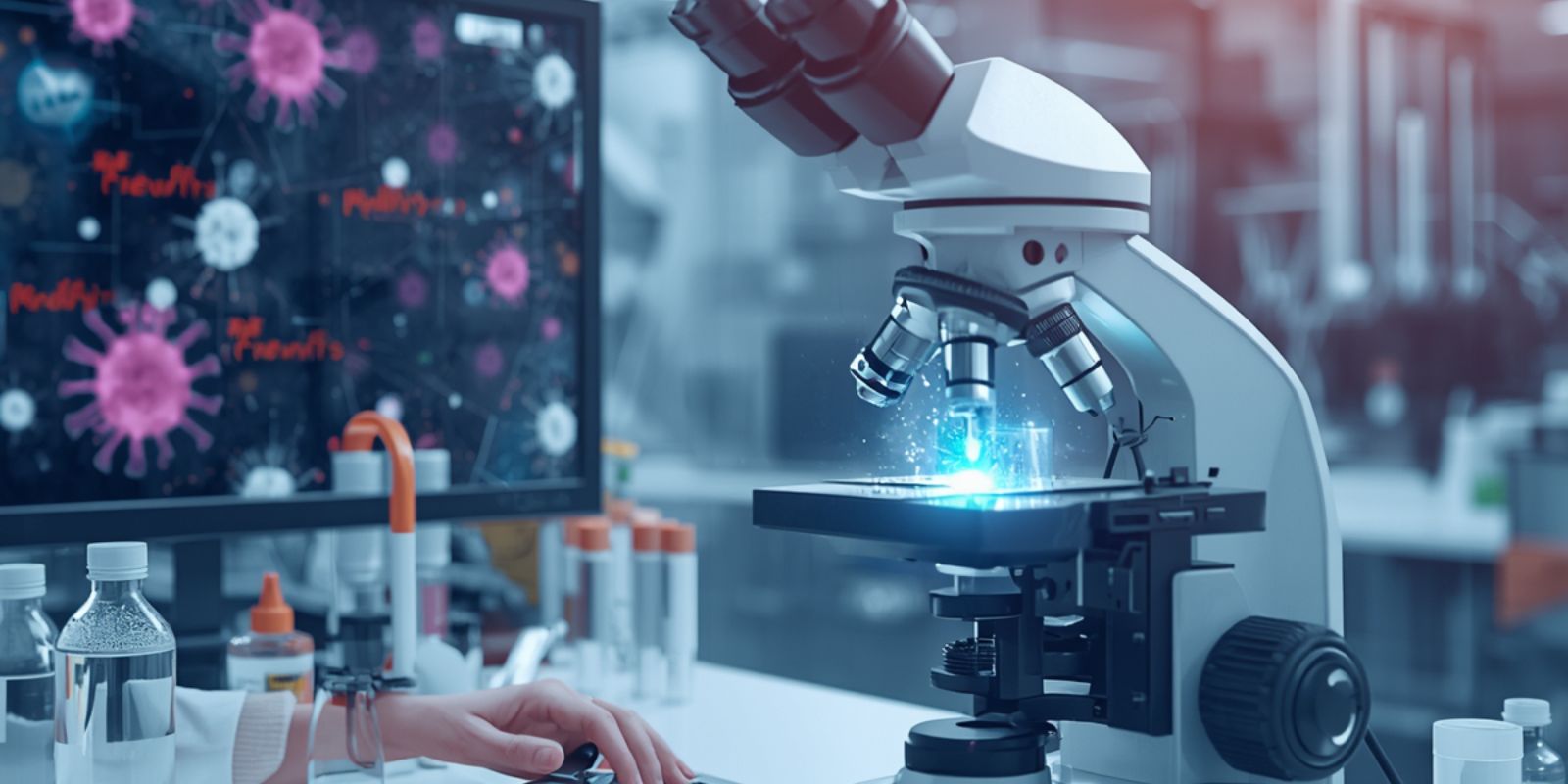
Modern Testing Improves Disease Detection
Introduction
In today’s rapidly evolving healthcare landscape, modern testing technologies are transforming the way diseases are detected, diagnosed, and managed. Early and accurate disease detection plays a crucial role in improving patient outcomes, reducing treatment costs, and preventing complications. With advancements in laboratory science, digital tools, and medical research, modern testing methods are more precise, faster, and accessible than ever before. These innovations are helping healthcare providers identify diseases at their earliest stages, often before symptoms even appear.
This shift toward advanced diagnostics is not just enhancing individual patient care but also strengthening public health systems globally. From routine screenings to sophisticated molecular testing, modern diagnostics are redefining the future of medicine.
The Evolution of Disease Detection
Traditional diagnostic methods relied heavily on visible symptoms and basic laboratory tests. While these approaches served their purpose, they often detected diseases at later stages when treatment options were limited or less effective. Modern testing, however, focuses on early detection, allowing healthcare professionals to intervene sooner.
Technologies such as automated analyzers, digital imaging, and molecular diagnostics have significantly improved the accuracy and efficiency of testing. These advancements reduce human error and ensure consistent results, which are essential for effective treatment planning.
Importance of Early Detection
Early disease detection is one of the most critical benefits of modern testing. Identifying a condition in its initial stages increases the chances of successful treatment and recovery. For example, early detection of chronic diseases such as diabetes, cardiovascular conditions, and certain cancers can prevent severe complications.
Modern screening programs enable individuals to undergo routine tests even without symptoms. This proactive approach helps detect hidden health issues and allows for timely medical intervention. Early diagnosis not only saves lives but also reduces the financial burden associated with long-term treatments.
Role of Advanced Technologies
Modern testing leverages cutting-edge technologies that enhance diagnostic capabilities. Some of the most impactful innovations include:
1. Molecular Diagnostics
Molecular testing analyzes genetic material to detect diseases at a cellular level. It is highly effective in identifying infections, genetic disorders, and certain types of cancer. This precision allows for targeted treatments and personalized care.
2. Automation in Laboratories
Automation has streamlined laboratory operations, enabling faster processing of samples and reducing turnaround time. Automated systems ensure consistency and reliability in test results, which is crucial for accurate diagnosis.
3. Artificial Intelligence and Data Analytics
Artificial intelligence is increasingly being integrated into diagnostic systems. AI algorithms can analyze large volumes of data quickly, identify patterns, and assist healthcare professionals in making informed decisions.
4. Point-of-Care Testing
Point-of-care testing allows diagnostic tests to be conducted near the patient, such as in clinics or even at home. This reduces waiting times and provides immediate results, enabling quicker medical responses.
Improved Accuracy and Reliability
One of the key advantages of modern testing is its enhanced accuracy. Advanced diagnostic tools minimize errors and provide highly reliable results. This accuracy is essential for determining the correct course of treatment.
False positives and false negatives can have serious consequences, leading to unnecessary treatments or missed diagnoses. Modern testing methods use sophisticated techniques to reduce such risks, ensuring that patients receive appropriate care.
Impact on Chronic Disease Management
Modern testing plays a vital role in managing chronic diseases. Conditions such as diabetes, hypertension, and kidney disorders require continuous monitoring. Advanced diagnostic tools allow healthcare providers to track disease progression and adjust treatment plans accordingly.
Regular testing helps patients stay informed about their health status and encourages better lifestyle choices. This proactive approach improves quality of life and reduces the risk of complications.
Enhancing Preventive Healthcare
Preventive healthcare is gaining importance as people become more health-conscious. Modern testing supports this shift by enabling early identification of risk factors. Routine health check-ups, blood tests, and screenings help detect potential issues before they develop into serious conditions.
Preventive diagnostics empower individuals to take control of their health. By identifying risks early, people can adopt healthier habits and seek timely medical advice, ultimately reducing the prevalence of diseases.
Accessibility and Convenience
Advancements in testing have made diagnostic services more accessible to a wider population. Mobile labs, home sample collection, and portable testing devices have brought healthcare closer to patients.
This accessibility is especially beneficial for individuals in remote or underserved areas. By eliminating barriers to testing, modern diagnostics ensure that more people can benefit from early disease detection and timely treatment.
Role in Infectious Disease Control
Modern testing has proven to be invaluable in managing infectious diseases. Rapid diagnostic tests enable quick identification of infections, allowing for immediate isolation and treatment. This helps prevent the spread of diseases and protects public health.
Accurate testing is essential for tracking outbreaks and implementing effective control measures. It also supports vaccination programs and helps monitor their effectiveness.
Personalized Medicine and Targeted Treatment
One of the most promising aspects of modern testing is its contribution to personalized medicine. By analyzing genetic and molecular data, healthcare providers can tailor treatments to individual patients.
Personalized diagnostics ensure that patients receive therapies that are most effective for their specific condition. This approach not only improves treatment outcomes but also reduces side effects and unnecessary interventions.
Challenges and Considerations
Despite its many benefits, modern testing also comes with certain challenges. The cost of advanced diagnostic technologies can be high, making them less accessible in some regions. Additionally, the need for skilled professionals and proper infrastructure is essential for accurate testing.
Data privacy and security are also important concerns, especially with the increasing use of digital tools and AI in diagnostics. Ensuring that patient information is protected is crucial for maintaining trust in healthcare systems.
Future of Disease Detection
The future of disease detection looks promising, with continuous advancements in technology and research. Innovations such as wearable health devices, remote monitoring, and real-time diagnostics are expected to further enhance early detection capabilities.
Integration of digital health platforms will enable seamless sharing of medical data, improving collaboration among healthcare providers. This interconnected approach will lead to more efficient and effective patient care.
Conclusion
Modern testing has revolutionized disease detection, making it faster, more accurate, and more accessible. By enabling early diagnosis and supporting preventive healthcare, advanced diagnostic methods are improving patient outcomes and reducing the burden on healthcare systems.
As technology continues to evolve, the role of modern testing will become even more significant in shaping the future of medicine. Embracing these advancements is essential for building a healthier society where diseases are detected early and treated effectively.