
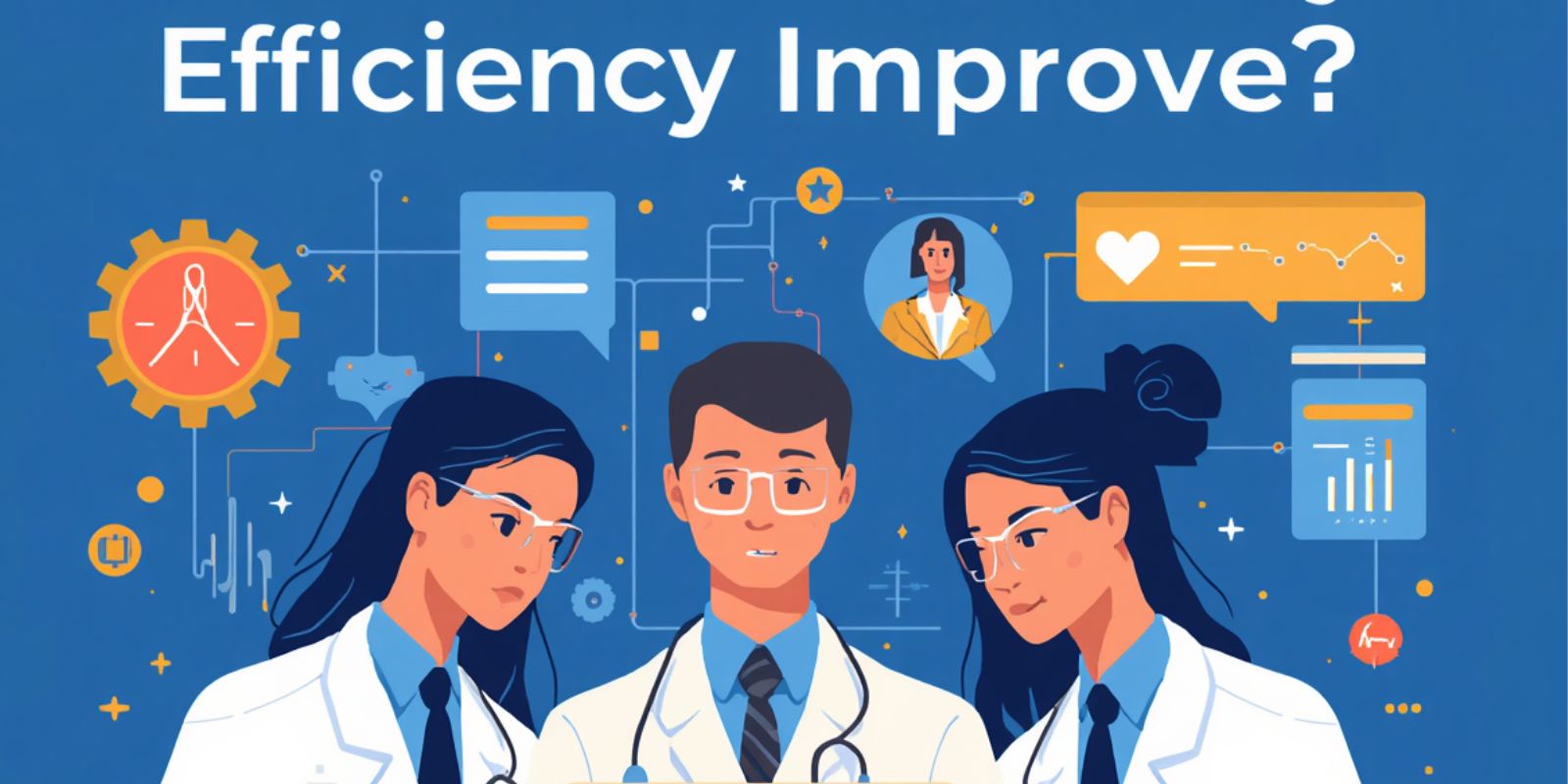
How Can Healthcare Workforce Efficiency Improve
Introduction
Healthcare systems across the world are under constant pressure to deliver high-quality care while managing costs and resources effectively. One of the most critical elements influencing healthcare outcomes is workforce efficiency. From doctors and nurses to administrative staff and support teams, the efficiency of healthcare workers directly impacts patient care, operational costs, and organizational success.
Improving healthcare workforce efficiency is not just about working faster—it’s about working smarter, optimizing processes, leveraging technology, and ensuring staff well-being. This article explores practical strategies and insights into how healthcare workforce efficiency can be improved to create a sustainable and high-performing system.
Understanding Healthcare Workforce Efficiency
Healthcare workforce efficiency refers to how effectively healthcare professionals utilize their time, skills, and resources to deliver patient care. Efficient systems minimize waste, reduce delays, and maximize productivity without compromising quality.
Key indicators of workforce efficiency include:
- Reduced patient wait times
- Improved patient outcomes
- Lower staff burnout rates
- Optimized staff utilization
- Streamlined workflows
1. Implementing Smart Workforce Planning
Efficient workforce planning ensures the right number of staff with the right skills are available at the right time. Poor planning leads to overstaffing or understaffing, both of which negatively impact efficiency.
Healthcare organizations can improve planning by:
- Using predictive analytics to forecast patient demand
- Creating flexible staffing models
- Aligning workforce skills with patient needs
- Monitoring seasonal and emergency trends
Proper planning reduces workload imbalance and ensures smoother operations.
2. Leveraging Technology and Automation
Technology plays a crucial role in enhancing efficiency. Automation can handle repetitive tasks, allowing healthcare professionals to focus on patient care.
Key technologies include:
- Electronic Health Records (EHRs)
- AI-driven scheduling systems
- Telemedicine platforms
- Automated billing and documentation systems
These tools reduce administrative burden, minimize errors, and improve workflow efficiency.
3. Enhancing Training and Skill Development
A well-trained workforce performs tasks more efficiently and confidently. Continuous training ensures that staff stay updated with the latest medical practices and technologies.
Effective strategies include:
- Regular skill development programs
- Cross-training employees for multiple roles
- Simulation-based training
- Leadership development initiatives
Investing in staff education improves productivity and reduces errors.
4. Improving Workflow Processes
Inefficient workflows are one of the biggest barriers to productivity in healthcare settings. Streamlining processes can significantly improve efficiency.
Steps to optimize workflows:
- Identify bottlenecks in patient care processes
- Standardize procedures across departments
- Reduce unnecessary paperwork
- Improve communication channels
Clear and structured workflows help staff perform tasks more effectively.
5. Promoting Employee Well-being
Burnout is a major issue in healthcare, affecting efficiency and patient care quality. A healthy workforce is a productive workforce.
Organizations can support well-being by:
- Providing mental health support
- Ensuring manageable workloads
- Offering flexible working hours
- Encouraging work-life balance
When employees feel valued and supported, their performance improves significantly.
6. Utilizing Data-Driven Decision Making
Data analytics helps healthcare organizations make informed decisions that improve efficiency.
Benefits of data-driven strategies:
- Identifying inefficiencies in operations
- Tracking staff performance metrics
- Optimizing resource allocation
- Improving patient care outcomes
Data allows leaders to make proactive adjustments rather than reactive fixes.
7. Strengthening Communication and Collaboration
Effective communication ensures that all team members are aligned and informed, reducing errors and delays.
Ways to improve communication:
- Implement centralized communication platforms
- Conduct regular team meetings
- Encourage interdisciplinary collaboration
- Use real-time updates for patient information
Strong teamwork leads to faster decision-making and better patient outcomes.
8. Adopting Flexible Staffing Models
Traditional staffing models may not meet the dynamic demands of healthcare. Flexible staffing allows organizations to adapt quickly.
Examples include:
- Temporary or contract staffing
- Float pools
- Shift-based flexibility
- Remote healthcare services
Flexibility ensures optimal staffing levels without overburdening employees.
9. Reducing Administrative Burden
Healthcare professionals often spend a significant amount of time on administrative tasks instead of patient care.
To reduce this burden:
- Automate documentation processes
- Delegate non-clinical tasks to support staff
- Simplify reporting systems
- Use voice recognition tools
Reducing paperwork allows clinicians to focus on what matters most—patients.
10. Encouraging Leadership and Accountability
Strong leadership is essential for improving workforce efficiency. Leaders set the tone for performance, accountability, and innovation.
Key leadership practices:
- Setting clear goals and expectations
- Encouraging feedback and innovation
- Monitoring performance regularly
- Recognizing and rewarding efficiency
Accountability ensures that everyone contributes to organizational success.
11. Optimizing Resource Management
Efficient use of resources—both human and material—is critical in healthcare.
Strategies include:
- Proper inventory management
- Efficient use of medical equipment
- Reducing waste in operations
- Allocating staff based on priority needs
Better resource management leads to cost savings and improved service delivery.
12. Embracing Continuous Improvement
Healthcare efficiency is not a one-time effort—it requires continuous evaluation and improvement.
Approaches include:
- Regular performance audits
- Patient feedback analysis
- Benchmarking against industry standards
- Implementing quality improvement programs
Continuous improvement ensures long-term success and adaptability.
Conclusion
Improving healthcare workforce efficiency is essential for delivering high-quality care in a sustainable and cost-effective manner. By focusing on smart workforce planning, leveraging technology, enhancing training, and promoting employee well-being, healthcare organizations can create a more productive and resilient workforce.
Efficiency is not about increasing workload but about optimizing systems and empowering staff to perform at their best. As healthcare demands continue to grow, organizations that prioritize workforce efficiency will be better positioned to meet challenges and provide exceptional patient care.