
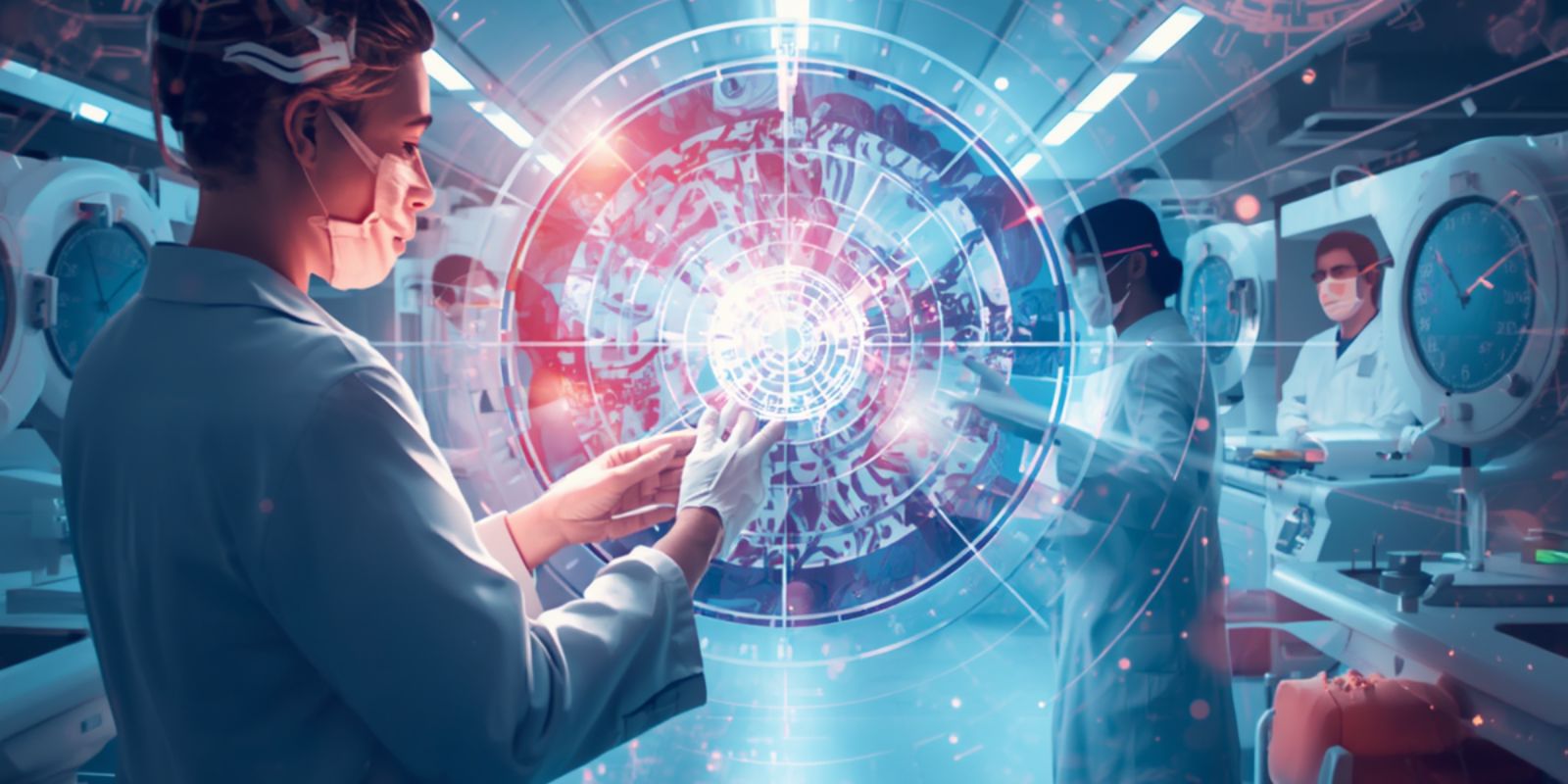
Advanced Diagnostics Improve Clinical Performance
In today’s rapidly evolving healthcare landscape, advanced diagnostics play a crucial role in enhancing clinical performance and improving patient outcomes. With the integration of cutting-edge technologies, healthcare providers can now diagnose diseases earlier, treat them more effectively, and monitor patient progress with greater precision. As a result, advanced diagnostics are no longer a luxury but a necessity for modern healthcare systems aiming to deliver high-quality care.
The Evolution of Diagnostic Technologies
Diagnostics have come a long way from traditional laboratory tests and manual interpretations. Earlier, clinicians relied heavily on symptoms, basic lab tests, and experience to make decisions. While effective to an extent, this approach often led to delayed or inaccurate diagnoses.
Today, advanced diagnostic tools such as molecular diagnostics, genetic testing, digital imaging, and AI-powered analytics are transforming the way diseases are detected and managed. These technologies provide deeper insights into a patient’s condition, enabling clinicians to make faster and more accurate decisions.
Early Detection and Disease Prevention
One of the most significant advantages of advanced diagnostics is early disease detection. Identifying a condition in its initial stages allows for timely intervention, which can prevent complications and improve survival rates.
For example, advanced screening tools can detect cancers, cardiovascular diseases, and metabolic disorders before symptoms even appear. Early diagnosis not only saves lives but also reduces the financial burden on patients and healthcare systems by minimizing the need for extensive treatments.
Preventive diagnostics also empower individuals to take proactive steps toward maintaining their health. Regular screenings and health assessments can identify risk factors and encourage lifestyle changes that reduce the likelihood of developing chronic diseases.
Enhanced Accuracy and Reliability
Accuracy is the cornerstone of effective clinical performance. Advanced diagnostics significantly reduce the chances of misdiagnosis by providing precise and reliable results. Technologies such as high-resolution imaging, automated lab systems, and molecular testing eliminate human errors and ensure consistency in results.
Accurate diagnostics lead to appropriate treatment plans, which ultimately improve patient outcomes. When clinicians have access to reliable data, they can confidently prescribe medications, recommend therapies, and monitor progress without unnecessary guesswork.
Personalized Treatment Plans
Modern healthcare is shifting toward personalized medicine, and advanced diagnostics are at the heart of this transformation. By analyzing genetic, molecular, and lifestyle factors, healthcare providers can tailor treatments to individual patients.
For instance, genetic testing can identify how a patient will respond to a particular medication. This allows clinicians to select the most effective treatment while minimizing side effects. Personalized care not only enhances treatment success but also improves patient satisfaction and trust in healthcare services.
Faster Decision-Making in Clinical Settings
Time is critical in healthcare, especially in emergency situations. Advanced diagnostics enable rapid testing and real-time results, allowing clinicians to make quick decisions.
Point-of-care testing devices, for example, provide immediate results at the patient’s bedside. This reduces waiting times and ensures that treatment can begin without delay. Faster decision-making is particularly important in critical care, where every second counts.
Improved Monitoring and Follow-Up
Advanced diagnostics are not limited to disease detection; they also play a vital role in monitoring patient progress. Continuous monitoring tools and digital health technologies allow clinicians to track treatment effectiveness and make necessary adjustments.
Wearable devices, remote monitoring systems, and digital platforms provide real-time data on a patient’s health status. This enables proactive interventions and reduces the risk of complications. Regular follow-ups supported by advanced diagnostics ensure that patients stay on the right path to recovery.
Integration with Digital Health Systems
The integration of advanced diagnostics with digital health systems has revolutionized clinical workflows. Electronic health records (EHRs), telemedicine platforms, and data analytics tools streamline information sharing and improve coordination among healthcare providers.
With centralized data systems, clinicians can access patient information instantly, collaborate with specialists, and make informed decisions. This level of connectivity enhances efficiency and reduces duplication of tests, ultimately improving clinical performance.
Cost-Effectiveness in the Long Run
While advanced diagnostic technologies may require initial investment, they prove to be cost-effective in the long run. Early detection and accurate diagnosis reduce the need for expensive treatments and hospitalizations.
By preventing complications and minimizing errors, advanced diagnostics help healthcare systems save resources. Patients also benefit from reduced medical expenses and improved quality of life.
Challenges and Considerations
Despite their numerous benefits, advanced diagnostics come with certain challenges. High costs, limited accessibility, and the need for skilled professionals can hinder widespread adoption.
Healthcare providers must invest in training and infrastructure to fully utilize these technologies. Additionally, ensuring data privacy and maintaining ethical standards are essential when dealing with sensitive patient information.
Addressing these challenges requires collaboration between governments, healthcare organizations, and technology providers. Policies that promote innovation and accessibility can help bridge the gap and make advanced diagnostics available to a larger population.
The Future of Advanced Diagnostics
The future of diagnostics is incredibly promising. Emerging technologies such as artificial intelligence, machine learning, and nanotechnology are set to further enhance diagnostic capabilities.
AI-powered tools can analyze vast amounts of data and identify patterns that may not be visible to human clinicians. This can lead to earlier and more accurate diagnoses. Similarly, advancements in genomics and biotechnology will continue to drive personalized medicine.
As these technologies evolve, healthcare systems will become more proactive, predictive, and patient-centered. Advanced diagnostics will play a central role in shaping the future of clinical performance.
Conclusion
Advanced diagnostics have transformed the healthcare industry by improving clinical performance and patient outcomes. From early detection and accurate diagnosis to personalized treatment and continuous monitoring, these technologies offer numerous benefits that enhance the quality of care.
While challenges remain, the ongoing advancements in diagnostic technologies hold immense potential for the future. By embracing innovation and investing in modern diagnostic solutions, healthcare providers can deliver better, faster, and more efficient care.