
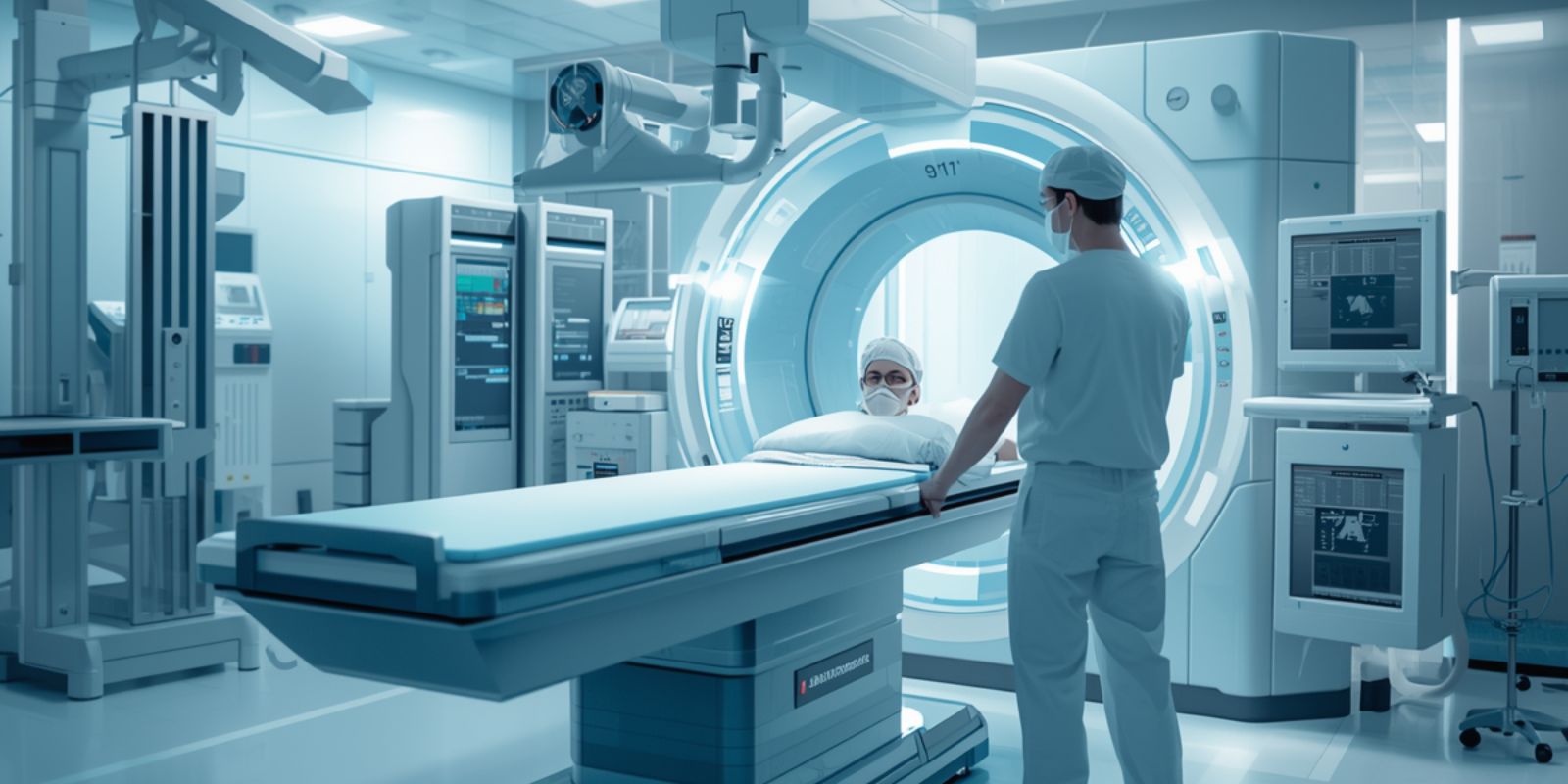
Advanced Diagnostics Support Better Treatment
Introduction
In today’s rapidly evolving healthcare landscape, advanced diagnostics have emerged as a cornerstone of effective medical care. From early disease detection to precise treatment planning, modern diagnostic technologies empower healthcare professionals to make informed decisions that significantly improve patient outcomes. The integration of innovative tools such as molecular testing, imaging technologies, and artificial intelligence has revolutionized how diseases are identified and managed. As a result, patients benefit from faster diagnoses, targeted therapies, and improved quality of life.
The Role of Advanced Diagnostics in Healthcare
Advanced diagnostics refer to sophisticated techniques and technologies used to identify diseases with greater accuracy and efficiency. Unlike traditional diagnostic methods, which may rely on symptoms and basic tests, advanced diagnostics delve deeper into the biological and molecular level of diseases.
These technologies play a crucial role in:
- Detecting diseases at an early stage
- Identifying the root cause of illnesses
- Monitoring disease progression
- Guiding personalized treatment plans
By providing detailed insights into a patient’s condition, advanced diagnostics enable healthcare providers to move beyond generalized treatments and adopt a more individualized approach.
Early Detection and Its Impact
One of the most significant advantages of advanced diagnostics is early detection. Diseases such as cancer, diabetes, and cardiovascular conditions often develop silently, showing symptoms only in later stages. Advanced diagnostic tools can identify these conditions before they become severe.
Early detection leads to:
- Timely intervention
- Reduced treatment costs
- Higher survival rates
- Better disease management
For example, advanced imaging and genetic screening can detect abnormalities long before they manifest as clinical symptoms. This proactive approach helps in preventing complications and improving long-term health outcomes.
Precision Medicine and Personalized Treatment
Advanced diagnostics are the foundation of precision medicine, an approach that tailors treatment based on an individual’s genetic makeup, lifestyle, and environment. Instead of a one-size-fits-all strategy, doctors can design therapies that are specifically suited to each patient.
Benefits of personalized treatment include:
- Increased effectiveness of medications
- Reduced side effects
- Faster recovery times
- Improved patient satisfaction
For instance, molecular diagnostics can identify specific genetic mutations responsible for a disease. This allows doctors to select targeted therapies that directly address the underlying cause, rather than just managing symptoms.
Enhancing Clinical Decision-Making
Accurate and detailed diagnostic data empowers healthcare professionals to make better clinical decisions. Advanced diagnostics provide comprehensive information that reduces uncertainty and minimizes the risk of misdiagnosis.
Key contributions to clinical decision-making include:
- Clear identification of disease type and stage
- Better understanding of patient-specific factors
- Real-time monitoring of treatment effectiveness
- Data-driven adjustments to treatment plans
With these insights, clinicians can choose the most appropriate interventions, ensuring that patients receive optimal care at every stage of their treatment journey.
Integration of Technology in Diagnostics
Technological advancements have significantly enhanced diagnostic capabilities. Innovations such as artificial intelligence, machine learning, and digital health platforms are transforming the way diagnostic data is analyzed and utilized.
Some notable technological contributions include:
- AI-powered imaging for accurate detection of abnormalities
- Automated laboratory systems for faster test results
- Wearable devices for continuous health monitoring
- Cloud-based platforms for data sharing and collaboration
These technologies not only improve accuracy but also increase efficiency, allowing healthcare providers to deliver timely and effective care.
Improving Treatment Outcomes
The ultimate goal of advanced diagnostics is to improve treatment outcomes. By providing precise and actionable information, these tools help in designing effective treatment strategies that lead to better results.
Improved outcomes include:
- Reduced hospital stays
- Lower risk of complications
- Enhanced recovery rates
- Better management of chronic conditions
Patients benefit from treatments that are specifically tailored to their needs, leading to a higher quality of care and improved overall health.
Role in Chronic Disease Management
Chronic diseases require ongoing monitoring and management. Advanced diagnostics play a vital role in tracking disease progression and evaluating the effectiveness of treatments.
In chronic disease management, diagnostics help in:
- Monitoring biomarkers and health indicators
- Detecting changes in disease status
- Adjusting treatment plans as needed
- Preventing complications
For example, regular diagnostic tests can help patients with diabetes maintain optimal blood sugar levels, reducing the risk of long-term complications.
Supporting Preventive Healthcare
Preventive healthcare focuses on identifying potential health risks before they develop into serious conditions. Advanced diagnostics are essential in this approach, enabling early intervention and risk assessment.
Preventive benefits include:
- Identification of genetic predispositions
- Early detection of risk factors
- Implementation of lifestyle changes
- Reduction in disease incidence
By shifting the focus from treatment to prevention, advanced diagnostics contribute to a healthier population and lower healthcare costs.
Challenges and Considerations
Despite their numerous benefits, advanced diagnostics also come with certain challenges. These include:
- High costs of advanced technologies
- Need for specialized training and expertise
- Data privacy and security concerns
- Accessibility issues in rural or underserved areas
Addressing these challenges requires collaboration between healthcare providers, policymakers, and technology developers to ensure that advanced diagnostics are accessible and affordable for all.
The Future of Advanced Diagnostics
The future of advanced diagnostics is promising, with continuous innovations shaping the healthcare industry. Emerging trends include:
- Expansion of genomic and proteomic testing
- Increased use of AI in diagnostics
- Development of point-of-care testing devices
- Integration of telemedicine with diagnostic services
These advancements will further enhance the accuracy, speed, and accessibility of diagnostics, ultimately improving patient care and outcomes.
Conclusion
Advanced diagnostics are transforming healthcare by enabling accurate, timely, and personalized treatment. From early detection to precision medicine, these technologies play a critical role in improving patient outcomes and enhancing the quality of care. While challenges remain, ongoing advancements and innovations continue to drive progress in this field.
As healthcare systems evolve, the integration of advanced diagnostics will become increasingly important in delivering effective and efficient care. By embracing these technologies, healthcare providers can ensure better treatment outcomes and a healthier future for patients worldwide.