
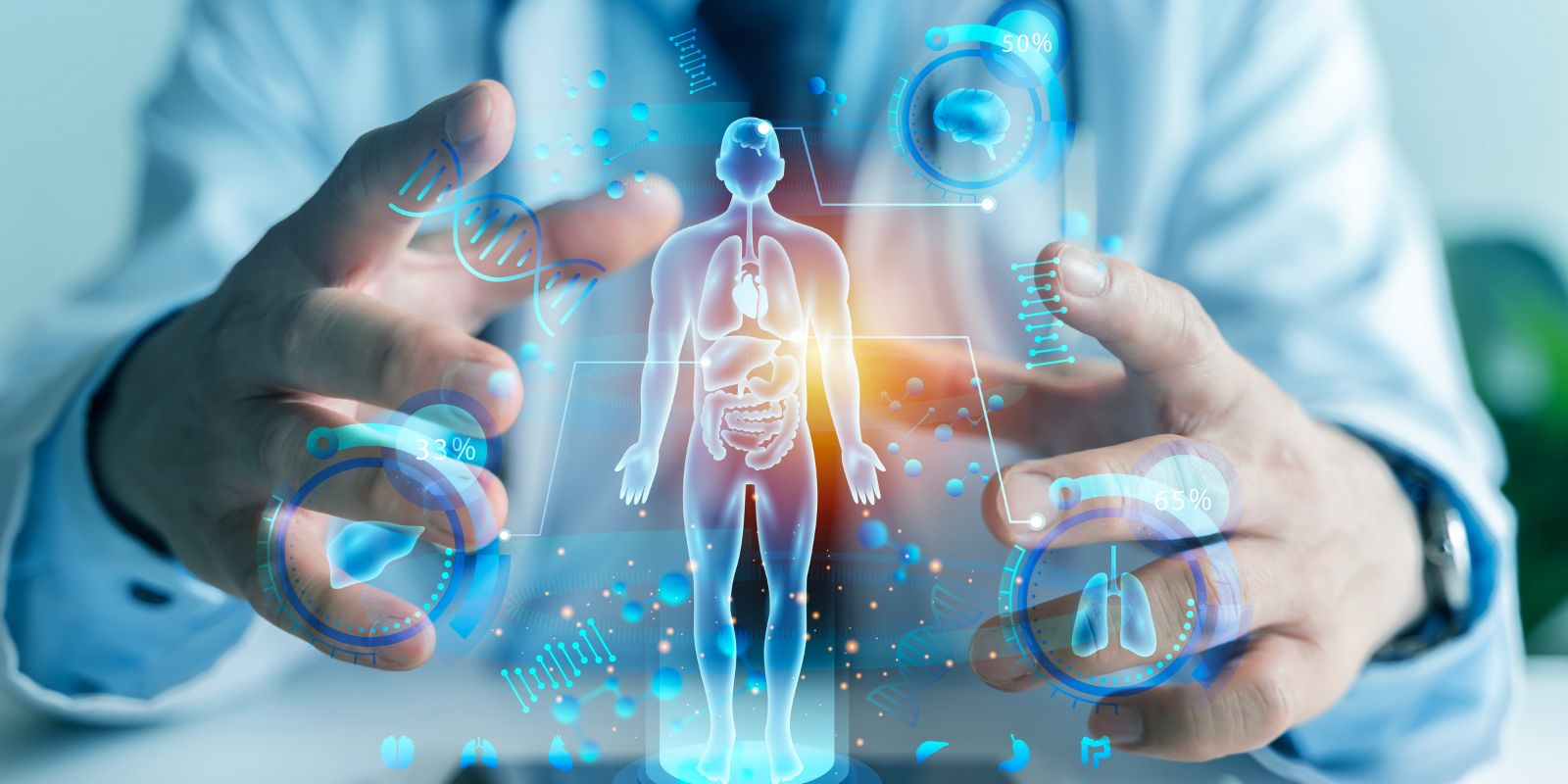
AI Powered Diagnostics Revolutionizing Healthcare Industry
The healthcare industry is undergoing a transformative shift, driven by the rapid adoption of artificial intelligence (AI). Among the many areas where AI is making a significant impact, diagnostics stands out as one of the most promising. AI-powered diagnostics are redefining how diseases are detected, analyzed, and treated, leading to faster, more accurate, and cost-effective healthcare solutions.
The Rise of AI in Healthcare Diagnostics
Traditional diagnostic methods often rely on manual interpretation, which can be time-consuming and prone to human error. With the integration of AI, healthcare providers can now leverage advanced algorithms and machine learning models to analyze complex medical data with remarkable precision. From imaging scans to pathology reports, AI systems are capable of identifying patterns that may not be easily visible to the human eye.
The growing availability of digital health data, combined with advancements in computing power, has accelerated the adoption of AI in diagnostics. Hospitals, clinics, and laboratories are increasingly investing in AI-driven tools to enhance their diagnostic capabilities and improve patient outcomes.
Enhancing Accuracy and Speed
One of the most significant advantages of AI-powered diagnostics is improved accuracy. AI algorithms can process vast amounts of data in seconds, reducing the chances of misdiagnosis. For instance, in radiology, AI systems can analyze X-rays, CT scans, and MRIs to detect abnormalities such as tumors, fractures, or infections with high precision.
Speed is another critical factor. Early diagnosis is essential for effective treatment, especially in conditions like cancer, cardiovascular diseases, and neurological disorders. AI-powered tools can deliver results quickly, enabling healthcare professionals to make timely decisions and initiate treatment without delay.
Applications Across Medical Fields
AI-powered diagnostics are being applied across various medical disciplines:
1. Radiology:
AI is widely used to interpret medical images. It assists radiologists in detecting diseases such as lung cancer, breast cancer, and brain tumors. AI can highlight suspicious areas, prioritize urgent cases, and reduce the workload of medical professionals.
2. Pathology:
Digital pathology combined with AI allows for the automated analysis of tissue samples. AI algorithms can identify cancerous cells and other abnormalities with high accuracy, supporting pathologists in making informed decisions.
3. Cardiology:
AI tools can analyze ECG data and detect irregular heart rhythms, predict heart attacks, and assess cardiovascular risks. This helps in early intervention and preventive care.
4. Infectious Diseases:
AI has played a crucial role in identifying and tracking infectious diseases. It can analyze patient data and predict outbreaks, enabling healthcare systems to respond effectively.
5. Ophthalmology:
AI-powered diagnostic systems can detect eye conditions such as diabetic retinopathy, glaucoma, and macular degeneration at early stages, preventing vision loss.
Personalized and Predictive Healthcare
AI is not only improving diagnostics but also enabling personalized healthcare. By analyzing patient data, including medical history, genetics, and lifestyle factors, AI systems can provide tailored diagnostic insights. This allows for more targeted treatments and better patient outcomes.
Predictive analytics is another powerful aspect of AI. By identifying risk factors and patterns, AI can predict the likelihood of diseases before symptoms appear. This proactive approach helps in early intervention and reduces the burden on healthcare systems.
Reducing Healthcare Costs
Healthcare costs are a major concern worldwide. AI-powered diagnostics can significantly reduce expenses by minimizing unnecessary tests, optimizing resource utilization, and preventing advanced-stage treatments through early detection.
Automation of routine diagnostic tasks also reduces the workload on healthcare professionals, allowing them to focus on more complex cases. This improves overall efficiency and productivity within healthcare organizations.
Challenges and Ethical Considerations
Despite its numerous benefits, AI-powered diagnostics also face certain challenges:
1. Data Privacy and Security:
The use of AI requires access to large volumes of patient data. Ensuring the privacy and security of this data is critical.
2. Integration with Existing Systems:
Implementing AI solutions in healthcare requires seamless integration with existing infrastructure, which can be complex and costly.
3. Regulatory Compliance:
AI-based diagnostic tools must meet strict regulatory standards to ensure safety and reliability.
4. Bias and Fairness:
AI algorithms can sometimes reflect biases present in the data they are trained on. This can lead to disparities in diagnostic outcomes.
Addressing these challenges is essential to ensure the responsible and ethical use of AI in healthcare.
The Role of Healthcare Professionals
AI is not a replacement for healthcare professionals but a powerful tool that enhances their capabilities. Doctors, radiologists, and pathologists can use AI insights to make more informed decisions. The collaboration between human expertise and AI technology leads to better diagnostic accuracy and improved patient care.
Training and upskilling healthcare professionals to work with AI tools is crucial. As AI continues to evolve, the demand for skilled professionals who can interpret and utilize AI-driven insights will increase.
Future Prospects of AI Diagnostics
The future of AI-powered diagnostics is incredibly promising. Emerging technologies such as deep learning, natural language processing, and computer vision are expected to further enhance diagnostic capabilities.
Wearable devices and remote monitoring systems powered by AI will enable continuous health monitoring, allowing for real-time diagnostics and early detection of potential health issues. Telemedicine platforms integrated with AI diagnostics will make healthcare more accessible, especially in remote and underserved areas.
Additionally, AI-driven research is accelerating the discovery of new diagnostic methods and treatments. This will lead to more innovative and effective healthcare solutions in the coming years.
Conclusion
AI-powered diagnostics are revolutionizing the healthcare industry by improving accuracy, speed, and efficiency. From early disease detection to personalized treatment plans, AI is transforming how healthcare is delivered. While challenges remain, the benefits of AI in diagnostics far outweigh the limitations.
As technology continues to advance, AI will play an even more significant role in shaping the future of healthcare. By embracing AI-powered diagnostics, healthcare providers can enhance patient outcomes, reduce costs, and create a more efficient and accessible healthcare system.