
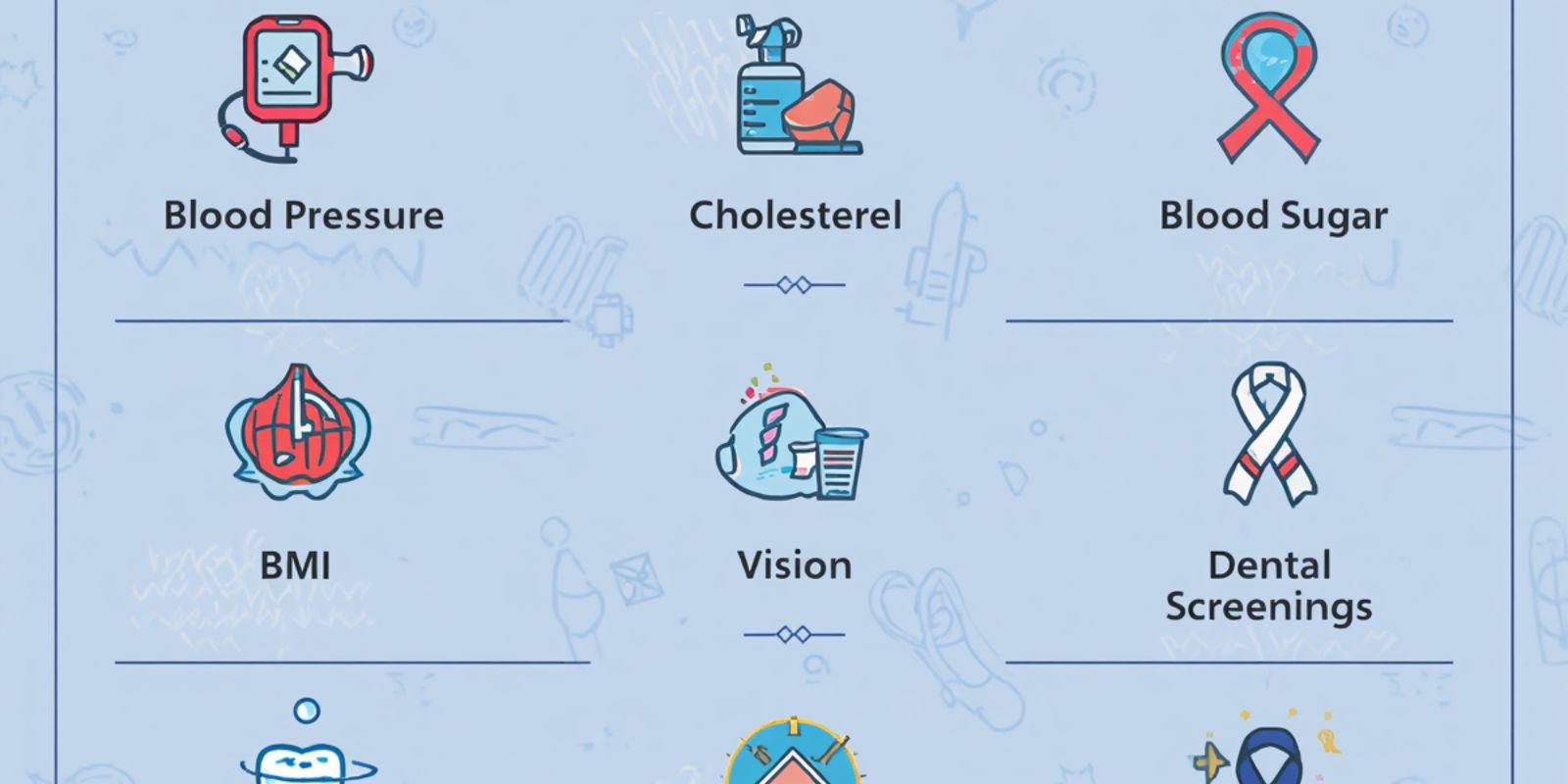
Basic Health Tests Everyone Should Take
Maintaining good health is not just about eating right and exercising regularly—it also involves understanding what’s happening inside your body. Many diseases develop silently without noticeable symptoms, making regular health testing an essential part of preventive healthcare. Basic health tests can help detect potential health issues early, allowing for timely intervention and better outcomes.
In today’s fast-paced lifestyle, people often ignore routine checkups until symptoms appear. However, by the time symptoms show, the condition may already have progressed. That’s why doctors emphasize the importance of regular screening tests, even for individuals who feel perfectly healthy.
This guide explores the most important basic health tests everyone should consider, why they matter, and how often you should take them.
Why Basic Health Tests Are Important
Health tests provide a snapshot of your body’s internal functioning. They help in:
- Early detection of diseases
- Monitoring existing health conditions
- Preventing complications
- Evaluating organ function
- Maintaining overall well-being
Routine testing is especially important for individuals with a family history of chronic diseases such as diabetes, heart disease, or thyroid disorders.
1. Complete Blood Count (CBC)
A Complete Blood Count (CBC) is one of the most commonly recommended tests. It measures different components of your blood, including:
- Red blood cells (RBCs)
- White blood cells (WBCs)
- Hemoglobin
- Platelets
Why It Matters:
This test helps detect conditions such as anemia, infections, and blood disorders. It also provides insight into your immune system’s health.
How Often:
Once a year, or as recommended by your doctor.
2. Blood Sugar Test
Blood sugar testing is crucial for detecting and managing diabetes.
Types:
- Fasting Blood Sugar (FBS)
- Postprandial Blood Sugar (PPBS)
- HbA1c (average sugar levels over 2–3 months)
Why It Matters:
Early detection of high blood sugar levels can prevent complications like nerve damage, kidney disease, and heart problems.
How Often:
- Annually for healthy individuals
- More frequently if you are at risk or diabetic
3. Lipid Profile
A lipid profile measures cholesterol levels in your blood, including:
- Total cholesterol
- LDL (bad cholesterol)
- HDL (good cholesterol)
- Triglycerides
Why It Matters:
High cholesterol is a major risk factor for heart disease and stroke.
How Often:
Every 1–2 years, or more often if levels are abnormal.
4. Liver Function Test (LFT)
This test evaluates how well your liver is functioning by measuring enzymes, proteins, and bilirubin levels.
Why It Matters:
It helps detect liver infections, fatty liver disease, and damage caused by alcohol or medications.
How Often:
Once a year, especially if you consume alcohol or take long-term medications.
5. Kidney Function Test (KFT)
This test checks how well your kidneys are filtering waste from your blood.
Key Parameters:
- Creatinine
- Blood Urea Nitrogen (BUN)
- Electrolytes
Why It Matters:
Kidney disease often shows no symptoms in early stages. Regular testing ensures early detection.
How Often:
Annually, especially for people with diabetes or high blood pressure.
6. Thyroid Function Test (TFT)
The thyroid gland regulates metabolism, energy levels, and hormones.
Common Tests:
- TSH (Thyroid Stimulating Hormone)
- T3 and T4
Why It Matters:
Thyroid imbalances can lead to weight changes, fatigue, mood swings, and more.
How Often:
Every 1–2 years, or as advised.
7. Blood Pressure Check
Although not a lab test, monitoring blood pressure is crucial.
Why It Matters:
High blood pressure (hypertension) is known as a “silent killer” because it often has no symptoms but can lead to heart disease and stroke.
How Often:
- At least once a year
- More frequently if you have hypertension
8. Vitamin D Test
Vitamin D is essential for bone health and immune function.
Why It Matters:
Deficiency can cause bone pain, fatigue, and increased risk of infections.
How Often:
Once a year, especially for people with limited sun exposure.
9. Vitamin B12 Test
Vitamin B12 plays a key role in nerve function and red blood cell production.
Why It Matters:
Low levels can lead to fatigue, weakness, memory problems, and neurological issues.
How Often:
Annually, particularly for vegetarians and older adults.
10. Urine Routine Test
A urine test helps detect a range of disorders.
What It Checks:
- Infection
- Kidney health
- Diabetes indicators
Why It Matters:
It is a simple yet powerful test to identify underlying health issues.
How Often:
Once a year.
11. Body Mass Index (BMI)
BMI is a measure of body fat based on height and weight.
Why It Matters:
It helps identify whether you are underweight, normal, overweight, or obese—each category having its own health risks.
How Often:
Regularly, especially during routine checkups.
12. Electrocardiogram (ECG)
An ECG measures the electrical activity of the heart.
Why It Matters:
It helps detect heart rhythm problems and early signs of heart disease.
How Often:
As recommended, especially for individuals over 35 or those with risk factors.
13. Cancer Screening Tests
Depending on age and gender, certain cancer screenings are essential:
- Mammogram (breast cancer)
- Pap smear (cervical cancer)
- PSA test (prostate cancer)
Why It Matters:
Early detection significantly improves treatment success rates.
How Often:
As per age and medical guidelines.
Who Should Take These Tests?
While basic health tests are important for everyone, they are especially crucial for:
- Individuals over 30 years of age
- People with a family history of chronic diseases
- Those with sedentary lifestyles
- Smokers and alcohol consumers
- Individuals experiencing unexplained symptoms
Tips for Preparing for Health Tests
To ensure accurate results:
- Fast for 8–12 hours if required
- Avoid alcohol before tests
- Inform your doctor about medications
- Stay hydrated
- Get adequate rest
The Role of Preventive Healthcare
Preventive healthcare focuses on identifying risks before they turn into serious conditions. Regular health testing is a cornerstone of this approach. Instead of waiting for illness, you actively monitor your health and take necessary steps to stay fit.
Investing in preventive health not only saves money in the long run but also improves your quality of life. Early diagnosis often means simpler treatments, fewer complications, and faster recovery.
Conclusion
Basic health tests are essential tools for maintaining a healthy life. They provide valuable insights into your body and help detect diseases before they become serious. In today’s busy world, it’s easy to neglect health checkups, but taking a proactive approach can make a significant difference.
Make it a habit to schedule regular health screenings and consult your doctor for personalized recommendations. Remember, prevention is always better than cure. Your health is your greatest asset—take care of it with regular monitoring and informed decisions.