
Biopsy & Histopathology: Unlocking the Secrets of Disease Diagnosis
Modern medicine thrives on accurate diagnosis. The better a condition is understood, the more effective the treatment becomes. Among the most powerful diagnostic tools available today are biopsy and histopathology—two procedures that go hand in hand to reveal the microscopic truth about diseases.
From detecting cancers to identifying infections and chronic inflammatory disorders, biopsy and histopathology play a vital role in patient care. This blog will explain what they are, why they matter, the different types, and how they guide life-saving treatments.
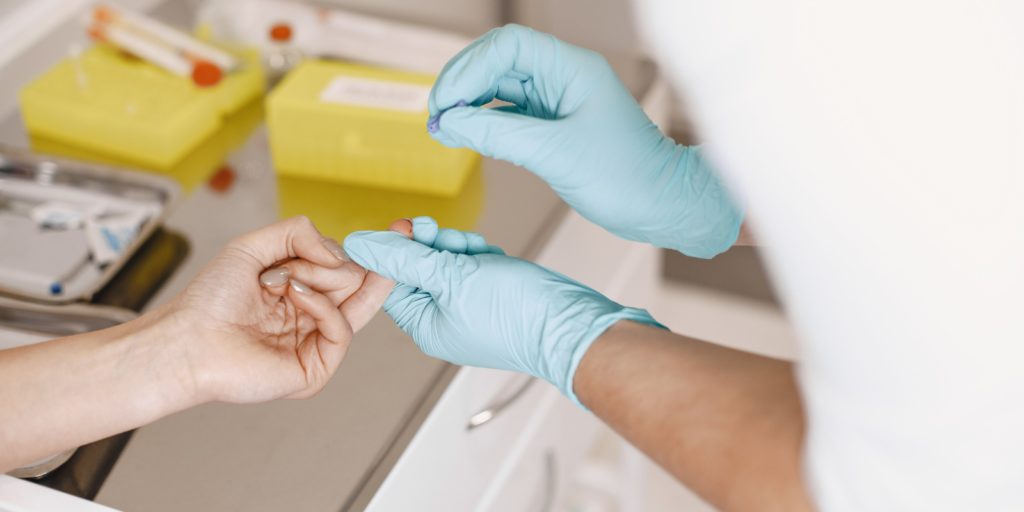
What Is a Biopsy?
A biopsy is a medical procedure where a small piece of tissue or cell sample is removed from the body for examination. The aim is to determine whether disease is present and, if so, its nature.
Unlike imaging scans (X-rays, CT, MRI) that show the structure of organs, a biopsy provides direct cellular-level evidence, helping doctors confirm diagnoses.
Common reasons for a biopsy:
- Detecting cancer or ruling it out.
- Identifying infections or inflammatory diseases.
- Understanding unexplained lumps, swellings, or growths.
- Assessing organ rejection after a transplant.
- Monitoring chronic diseases.
Types of Biopsies
Depending on the suspected condition and organ involved, different biopsy techniques are used:
1. Needle Biopsy
- Uses a thin or hollow needle to collect tissue or fluid.
- Example: Breast, thyroid, or liver biopsies.
- Advantage: Minimally invasive with quick recovery.
2. Punch Biopsy
- A circular tool removes a deeper layer of skin tissue.
- Example: Skin rashes, lesions, or suspected skin cancers.
3. Excisional Biopsy
- Removes an entire lump or suspicious tissue.
- Example: Enlarged lymph nodes or breast lumps.
4. Incisional Biopsy
- Only part of the tissue is removed for analysis.
- Used when complete removal is not possible initially.
5. Endoscopic Biopsy
- Performed during endoscopy, where a tube with a camera collects tissue from inside organs.
- Example: Stomach, intestine, or lung biopsies.
6. Bone Marrow Biopsy
- Extracts marrow from the hip bone.
- Used for diagnosing blood disorders, anemia, or leukemia.
7. Liquid Biopsy (Advanced)
- A blood sample detects cancer DNA fragments.
- Non-invasive and used for monitoring certain cancers.
What Is Histopathology?
After a biopsy, the collected tissue is sent to a laboratory for histopathology—the microscopic study of the sample by a pathologist.
Histopathology involves:
- Fixation: Preserving the tissue (commonly in formalin).
- Processing: Dehydration and embedding in paraffin wax.
- Sectioning: Cutting ultra-thin slices of the tissue.
- Staining: Applying dyes like Hematoxylin and Eosin (H&E) for contrast.
- Microscopic Examination: Studying cells for abnormalities.
This detailed study helps detect disease, determine its severity, and guide treatment.
Why Biopsy and Histopathology Are Important
- Accurate Diagnosis
Imaging and blood tests can suggest disease, but only tissue analysis confirms it. - Cancer Detection and Grading
Histopathology identifies whether a tumor is benign (non-cancerous) or malignant (cancerous), its stage, and how aggressive it is. - Guiding Treatment Plans
Treatment decisions—like surgery, chemotherapy, or radiation—depend heavily on biopsy results. - Monitoring Treatment Response
Follow-up biopsies help check if cancer therapy is working. - Identifying Non-Cancerous Diseases
Biopsies also diagnose infections (like tuberculosis), autoimmune conditions, or liver and kidney disorders.
Common Conditions Diagnosed by Biopsy & Histopathology
- Cancers: Breast, lung, colon, skin, prostate, etc.
- Inflammatory Diseases: Crohn’s disease, ulcerative colitis.
- Liver Disorders: Hepatitis, cirrhosis, fatty liver.
- Kidney Diseases: Glomerulonephritis, chronic kidney disease.
- Skin Disorders: Psoriasis, eczema, or unexplained rashes.
- Blood Disorders: Leukemia, anemia, bone marrow failure.
Patient Experience: What to Expect
Many patients feel anxious about biopsies. Here’s what typically happens:
- Preparation – Doctors explain the need, risks, and process. In some cases, fasting or stopping blood thinners may be required.
- Procedure – Local anesthesia is used for most biopsies; some require sedation or general anesthesia.
- Recovery – Most biopsies are outpatient procedures with mild discomfort.
- Report – Histopathology results usually take 3–7 days, depending on the complexity.
Safety and Risks
Biopsies are generally safe, but like any medical procedure, they carry small risks:
- Mild pain or discomfort.
- Bruising or bleeding at the site.
- Rarely, infection.
These are usually manageable and far outweighed by the benefits of an accurate diagnosis.
The Role of Pathologists
Pathologists are doctors who specialize in analyzing biopsy samples. Their interpretation is critical, as it directly guides treatment decisions. They not only confirm the presence of disease but also provide details such as:
- Cell type (normal or abnormal).
- Tumor grade (how aggressive the cancer is).
- Margins (whether disease has spread).
- Special staining results for complex cases.
Advances in Biopsy & Histopathology
Medical science continues to improve diagnostic accuracy through innovation:
- Immunohistochemistry (IHC): Uses antibodies to detect specific proteins in cells—useful for cancer subtyping.
- Molecular Testing: Identifies genetic mutations, guiding personalized treatment (precision medicine).
- Digital Pathology: High-resolution digital slides allow AI-assisted diagnosis and remote consultations.
- Liquid Biopsy: A non-invasive method that uses blood samples to detect cancer DNA fragments.
These advancements make biopsy and histopathology faster, less invasive, and more precise.
Myths vs. Facts
- Myth: Biopsies spread cancer.
Fact: This is a misconception. Biopsies are safe and do not cause cancer to spread. - Myth: Biopsies are very painful.
Fact: Most procedures use local anesthesia and cause only mild discomfort. - Myth: Biopsies are only for cancer.
Fact: They are also crucial for diagnosing infections, inflammatory diseases, and organ conditions.
Conclusion
Biopsy and histopathology are the cornerstones of modern diagnostics. While scans and blood tests provide clues, only tissue analysis tells the complete story. These procedures help in:
- Detecting diseases at an early stage.
- Differentiating between benign and malignant conditions.
- Guiding accurate and effective treatment plans.
If your doctor recommends a biopsy, don’t panic—it’s not just a test for cancer but a lifesaving tool that helps uncover the truth behind unexplained symptoms. The sooner the condition is identified, the better the chances of recovery.
In short, biopsy and histopathology unlock the secrets hidden in our cells, bringing clarity and direction to patient care.