
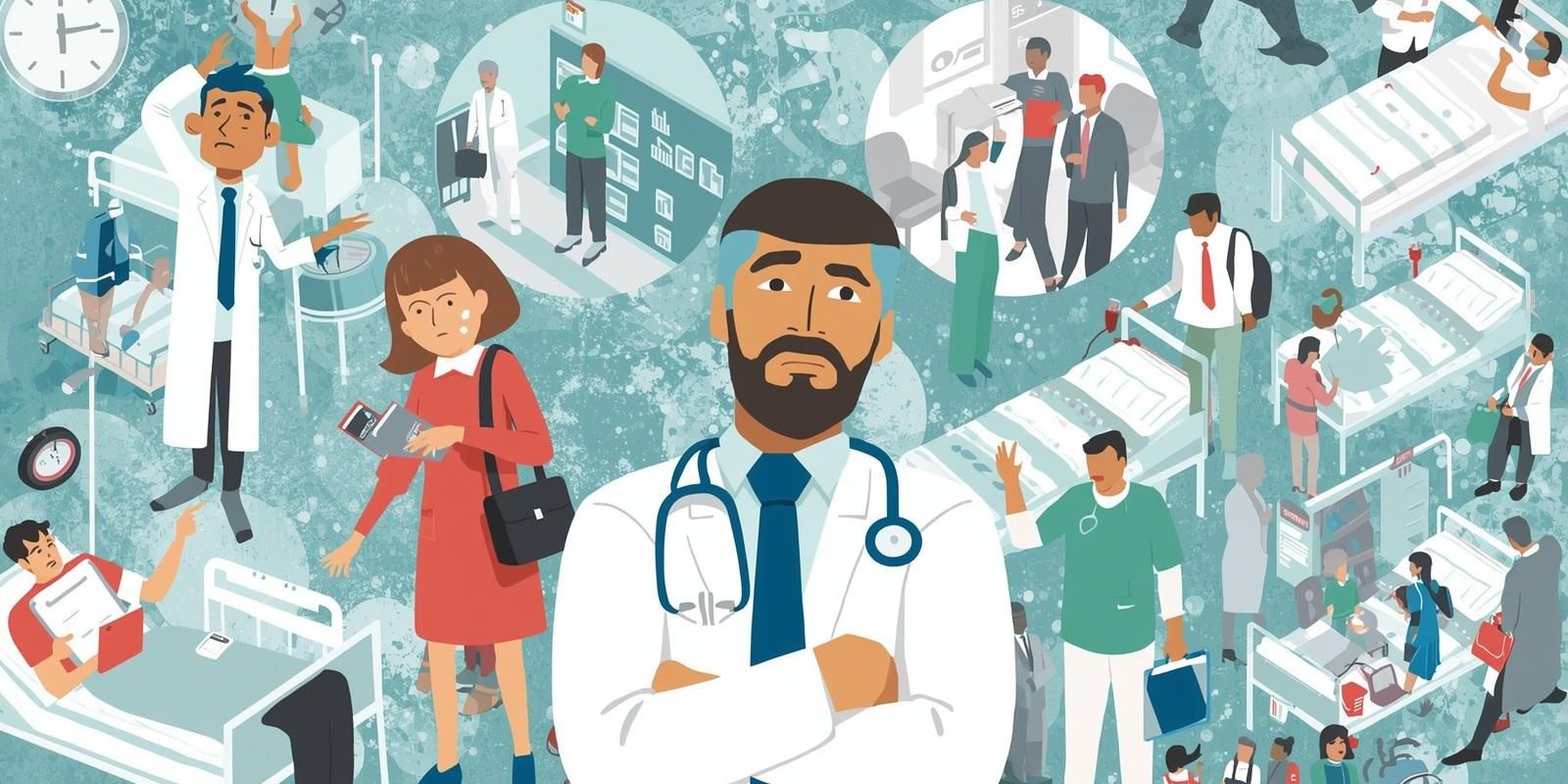
Challenges in Healthcare Staffing Today
The healthcare industry is one of the most critical sectors in the world. It is responsible for saving lives, improving health outcomes, and ensuring that communities receive proper medical care. However, healthcare systems globally are facing significant staffing challenges. Hospitals, clinics, and healthcare organizations are struggling to find, hire, and retain qualified professionals. From nurses and doctors to technicians and support staff, the demand for skilled healthcare workers is rising faster than the available workforce.
Healthcare staffing challenges affect patient care, operational efficiency, and overall healthcare quality. Understanding these challenges is essential for healthcare organizations to develop effective strategies and workforce solutions.
This article explores the major challenges in healthcare staffing today and how organizations can overcome them.
Growing Demand for Healthcare Professionals
One of the biggest challenges in healthcare staffing is the growing demand for healthcare services. As populations increase and life expectancy rises, more people require medical attention.
Several factors are contributing to this increasing demand:
- Aging populations
- Rising chronic diseases
- Expansion of healthcare services
- Increased healthcare awareness
Older populations require more medical care, long-term treatment, and specialized services. As a result, healthcare organizations need more doctors, nurses, caregivers, and allied health professionals.
However, the supply of qualified professionals is not keeping up with the demand, creating a significant staffing gap.
Shortage of Skilled Healthcare Workers
The shortage of skilled healthcare professionals is one of the most pressing issues in the healthcare industry. Many countries are experiencing a lack of trained medical professionals.
Key reasons for this shortage include:
- Limited medical education capacity
- High training costs
- Long education and certification periods
- Migration of healthcare workers to other countries
Specialized roles such as ICU nurses, radiologists, anesthesiologists, and laboratory technicians are particularly difficult to fill.
Healthcare facilities often struggle to recruit professionals with the required skills and experience, leading to understaffed departments and increased workload for existing staff.
High Employee Burnout and Stress
Healthcare professionals work in high-pressure environments where they are responsible for patient care and life-saving decisions. Long shifts, emotional stress, and heavy workloads contribute to burnout among healthcare workers.
Common causes of burnout include:
- Long working hours
- Staff shortages
- Emotional fatigue
- High patient volumes
- Administrative workload
Burnout leads to decreased job satisfaction, lower productivity, and higher turnover rates. Many healthcare professionals leave the industry due to stress, further worsening the staffing shortage.
Healthcare organizations must focus on improving work-life balance, offering mental health support, and reducing excessive workloads to retain employees.
High Turnover Rates
Employee turnover is another major staffing challenge in healthcare. Many hospitals and healthcare facilities experience frequent staff changes.
Some common reasons for high turnover include:
- Better job opportunities elsewhere
- Lack of career growth
- Workplace stress
- Competitive salary offers
- Poor work-life balance
When employees leave, healthcare organizations must spend additional time and resources on recruitment and training. Frequent turnover can disrupt patient care and impact team coordination.
Implementing strong employee engagement strategies and career development programs can help improve retention rates.
Recruitment and Hiring Difficulties
Recruiting healthcare professionals is a complex and time-consuming process. Healthcare organizations must ensure that candidates meet strict qualifications, certifications, and experience requirements.
Challenges in healthcare recruitment include:
- Limited talent pools
- Long hiring processes
- Credential verification
- Licensing requirements
- Competition among healthcare organizations
Because of these challenges, many positions remain unfilled for long periods. Healthcare staffing agencies and recruitment firms can help organizations access a wider talent pool and speed up the hiring process.
Temporary Staffing and Workforce Flexibility
Healthcare organizations often face fluctuating staffing needs. Patient volumes can change depending on seasonal illnesses, emergencies, or public health crises.
To manage these fluctuations, hospitals rely on temporary staffing solutions such as:
- Contract nurses
- Locum doctors
- Temporary technicians
- Per diem staff
While temporary staffing provides flexibility, it also creates challenges in workforce management, scheduling, and training.
Healthcare organizations must balance temporary staffing with permanent workforce planning to maintain stability.
Compliance and Regulatory Requirements
Healthcare staffing involves strict compliance with regulations, certifications, and licensing standards. Healthcare professionals must maintain valid credentials and follow healthcare regulations.
Challenges related to compliance include:
- Credential verification
- Licensing renewals
- Regulatory audits
- Patient safety standards
Failure to meet compliance requirements can result in legal issues, financial penalties, and damage to the organization’s reputation.
Healthcare organizations must invest in proper credential management systems and HR processes to ensure compliance.
Rising Labor Costs
Labor costs in healthcare continue to rise due to staffing shortages and increased demand for skilled professionals. Hospitals often need to offer competitive salaries, incentives, and benefits to attract qualified candidates.
Additional cost factors include:
- Overtime payments
- Training and onboarding
- Recruitment expenses
- Temporary staffing costs
These rising expenses can strain healthcare budgets, especially for smaller hospitals and clinics.
Effective workforce planning and strategic staffing solutions can help organizations control costs while maintaining quality care.
Technology and Digital Transformation
Healthcare is undergoing rapid technological transformation. Electronic health records, telemedicine, and digital healthcare platforms are becoming standard in many healthcare facilities.
While technology improves efficiency, it also creates staffing challenges:
- Need for tech-savvy healthcare professionals
- Training existing staff on new systems
- Managing digital healthcare tools
Healthcare workers must continuously upgrade their skills to adapt to new technologies. Organizations must provide training and development programs to support digital transformation.
Workforce Diversity and Inclusion
Diversity and inclusion are becoming increasingly important in healthcare staffing. A diverse workforce helps healthcare organizations better serve multicultural patient populations.
However, creating an inclusive workforce requires:
- Fair recruitment practices
- Equal opportunities for growth
- Cultural competency training
- Inclusive workplace policies
Healthcare organizations must actively promote diversity and inclusion to build stronger and more effective teams.
Strategies to Overcome Healthcare Staffing Challenges
To address staffing challenges, healthcare organizations must adopt modern workforce strategies. Some effective solutions include:
1. Partnering with Healthcare Staffing Agencies
Staffing agencies help healthcare organizations quickly find qualified professionals. They maintain large talent pools and can provide temporary or permanent staff based on organizational needs.
2. Investing in Workforce Development
Training programs, professional development opportunities, and skill-building initiatives help healthcare professionals grow in their careers and remain engaged.
3. Improving Employee Retention
Healthcare organizations should focus on employee satisfaction by offering:
- Competitive salaries
- Flexible work schedules
- Mental health support
- Career advancement opportunities
4. Using Workforce Technology
Workforce management systems, AI-powered recruitment tools, and digital HR platforms can streamline hiring processes and improve workforce planning.
5. Flexible Staffing Models
Adopting flexible staffing models such as contract staffing, part-time roles, and shift-based scheduling can help healthcare organizations manage fluctuating patient demand.
The Future of Healthcare Staffing
The healthcare industry will continue to evolve, and staffing strategies must adapt to changing workforce demands. Organizations that embrace innovation, workforce flexibility, and employee-focused policies will be better positioned to overcome staffing challenges.
Future healthcare staffing solutions will likely include:
- AI-driven recruitment
- Telehealth workforce expansion
- Global healthcare talent sourcing
- Advanced workforce analytics
By adopting modern staffing strategies, healthcare organizations can ensure they have the right professionals in the right roles to deliver high-quality patient care.
SEO Details
Focus Keyphrase: Challenges in Healthcare Staffing
6-Word SEO Title: Major Challenges in Healthcare Staffing Today
Meta Description (115 characters):
Explore key challenges in healthcare staffing and strategies organizations use to overcome workforce shortages.
Tags:
healthcare staffing, healthcare recruitment, healthcare workforce challenges, hospital staffing solutions, medical staffing, healthcare HR, nurse shortage, healthcare industry trends, staffing solutions, healthcare workforce management
Challenges in Healthcare Staffing Today”give me post with 1200 words and give me Focus Keyphrase, 6-Word SEO Title:, Meta Description (under 115 characters, and Tags with a comma with conclsion
Challenges in Healthcare Staffing Today
The healthcare industry plays a crucial role in ensuring the well-being of communities by providing medical care, treatment, and preventive services. However, healthcare organizations around the world are facing increasing staffing challenges. Hospitals, clinics, and healthcare facilities must constantly manage workforce shortages, rising demand for services, and the need for highly skilled professionals.
Healthcare staffing is not just about filling positions; it involves ensuring that the right professionals are available at the right time to provide quality patient care. When healthcare organizations struggle to maintain adequate staffing levels, it can impact patient outcomes, staff morale, and operational efficiency.
In recent years, several factors have intensified staffing challenges in healthcare, including demographic changes, technological advancements, and workforce burnout. Understanding these challenges is essential for healthcare organizations to create effective staffing strategies and maintain high standards of patient care.
Increasing Demand for Healthcare Services
One of the most significant challenges in healthcare staffing today is the rapid increase in demand for healthcare services. As populations grow and people live longer, the need for healthcare professionals continues to rise.
The aging population is a major contributor to this demand. Older adults require more medical attention, long-term care, and specialized treatments. In addition, the prevalence of chronic diseases such as diabetes, heart disease, and respiratory illnesses has increased, requiring ongoing medical management.
Healthcare facilities must therefore hire more doctors, nurses, technicians, and support staff to handle the growing number of patients. However, the supply of qualified healthcare professionals is not keeping pace with this rising demand.
Shortage of Skilled Healthcare Professionals
A global shortage of skilled healthcare workers is one of the biggest issues facing the healthcare industry. Many healthcare facilities struggle to recruit qualified professionals with the required expertise and certifications.
Specialized roles such as intensive care nurses, radiologists, laboratory technicians, and anesthesiologists are particularly difficult to fill. These positions require extensive education, training, and experience.
Several factors contribute to the shortage of healthcare professionals:
- Limited seats in medical and nursing education programs
- High cost of medical education
- Long training and certification processes
- Migration of skilled healthcare workers to other countries
Because of these factors, many hospitals operate with understaffed departments, which increases the workload for existing staff.
Staff Burnout and Workplace Stress
Healthcare professionals often work in high-pressure environments where they are responsible for patient care and life-saving decisions. Long shifts, emotional stress, and heavy workloads can lead to burnout.
Burnout has become a major concern in healthcare staffing. When employees experience constant stress and fatigue, their job satisfaction decreases, and they may consider leaving the profession.
Common causes of burnout include:
- Long working hours
- Staff shortages
- Emotional demands of patient care
- High patient volumes
- Administrative responsibilities
Burnout not only affects healthcare workers but also impacts patient care. Exhausted employees may struggle to maintain focus, which can increase the risk of medical errors.
Healthcare organizations must prioritize employee well-being by providing mental health support, manageable schedules, and supportive work environments.
High Employee Turnover Rates
Employee turnover is another major challenge in healthcare staffing. Many healthcare professionals frequently change jobs in search of better opportunities, higher salaries, or improved work-life balance.
When employees leave an organization, hospitals must invest additional time and resources in recruiting and training new staff. This constant cycle of hiring and training can disrupt operations and reduce overall efficiency.
High turnover also affects team coordination and continuity of patient care. Patients often benefit from consistent relationships with healthcare providers, and frequent staff changes can impact the quality of care.
To reduce turnover, healthcare organizations must focus on employee engagement, career growth opportunities, and competitive compensation packages.
Recruitment and Hiring Challenges
Hiring healthcare professionals can be a lengthy and complicated process. Healthcare organizations must ensure that candidates meet strict qualifications, licensing requirements, and professional standards.
The recruitment process often involves:
- Credential verification
- Background checks
- Licensing validation
- Clinical experience assessment
Because of these requirements, the hiring process can take weeks or even months. Meanwhile, healthcare facilities may struggle to manage patient care with limited staff.
Competition among hospitals and healthcare organizations also makes recruitment more difficult. Highly skilled professionals often receive multiple job offers, making it challenging for employers to attract top talent.
Managing Temporary and Contract Staff
To address staffing shortages and fluctuating patient demand, many healthcare organizations rely on temporary and contract workers. These professionals can help fill gaps during peak periods, emergencies, or staff shortages.
Examples of temporary staffing solutions include:
- Contract nurses
- Locum tenens physicians
- Temporary technicians
- Per diem healthcare workers
While temporary staffing provides flexibility, it also presents challenges. Temporary staff may require additional training, and integrating them into existing teams can take time.
Healthcare organizations must carefully manage temporary staffing to ensure consistency in patient care and workplace efficiency.
Compliance and Credential Management
Healthcare staffing must comply with strict regulations and professional standards. Medical professionals must hold valid licenses, certifications, and credentials to practice legally.
Managing these requirements can be complex for healthcare organizations. They must regularly verify credentials, track license renewals, and ensure compliance with healthcare regulations.
Failure to comply with regulatory requirements can lead to serious consequences, including legal penalties, reputational damage, and loss of accreditation.
Healthcare facilities often use specialized HR systems and credential management tools to monitor compliance and maintain accurate records.
Rising Labor Costs
Labor costs in healthcare continue to increase due to the shortage of qualified professionals and the growing demand for medical services. Hospitals and clinics often need to offer competitive salaries and benefits to attract and retain employees.
Additional costs associated with healthcare staffing include:
- Overtime payments
- Recruitment expenses
- Training and onboarding programs
- Temporary staffing fees
For smaller healthcare facilities, these rising costs can create financial pressure. Effective workforce planning and staffing strategies are essential to manage labor expenses while maintaining high-quality care.
Adapting to Technological Changes
Healthcare is rapidly adopting new technologies, including electronic health records, telemedicine platforms, and digital diagnostic tools. While these innovations improve patient care and operational efficiency, they also create new staffing challenges.
Healthcare professionals must be trained to use these technologies effectively. Some organizations may struggle to find workers who are both clinically skilled and technologically proficient.
Providing continuous training and development programs can help healthcare workers adapt to new technologies and improve overall efficiency.
Workforce Diversity and Inclusion
Diversity and inclusion are becoming increasingly important in healthcare staffing. A diverse workforce can help healthcare organizations better serve patients from different cultural and social backgrounds.
However, building a diverse workforce requires intentional recruitment strategies and inclusive workplace policies.
Healthcare organizations must focus on:
- Fair hiring practices
- Equal opportunities for advancement
- Cultural competency training
- Inclusive workplace environments
Promoting diversity not only strengthens healthcare teams but also improves patient trust and communication.
Conclusion
Healthcare staffing challenges continue to shape the healthcare industry today. Increasing demand for medical services, shortages of skilled professionals, employee burnout, and rising labor costs are just a few of the issues healthcare organizations must address.
To overcome these challenges, healthcare organizations must adopt innovative staffing strategies, invest in workforce development, and prioritize employee well-being. Partnering with staffing agencies, implementing flexible workforce models, and using advanced workforce management technologies can help organizations maintain adequate staffing levels.
Ultimately, the success of healthcare systems depends on the strength of their workforce. By addressing staffing challenges proactively, healthcare organizations can ensure that they continue to deliver high-quality care while supporting the professionals who make that care possible.