
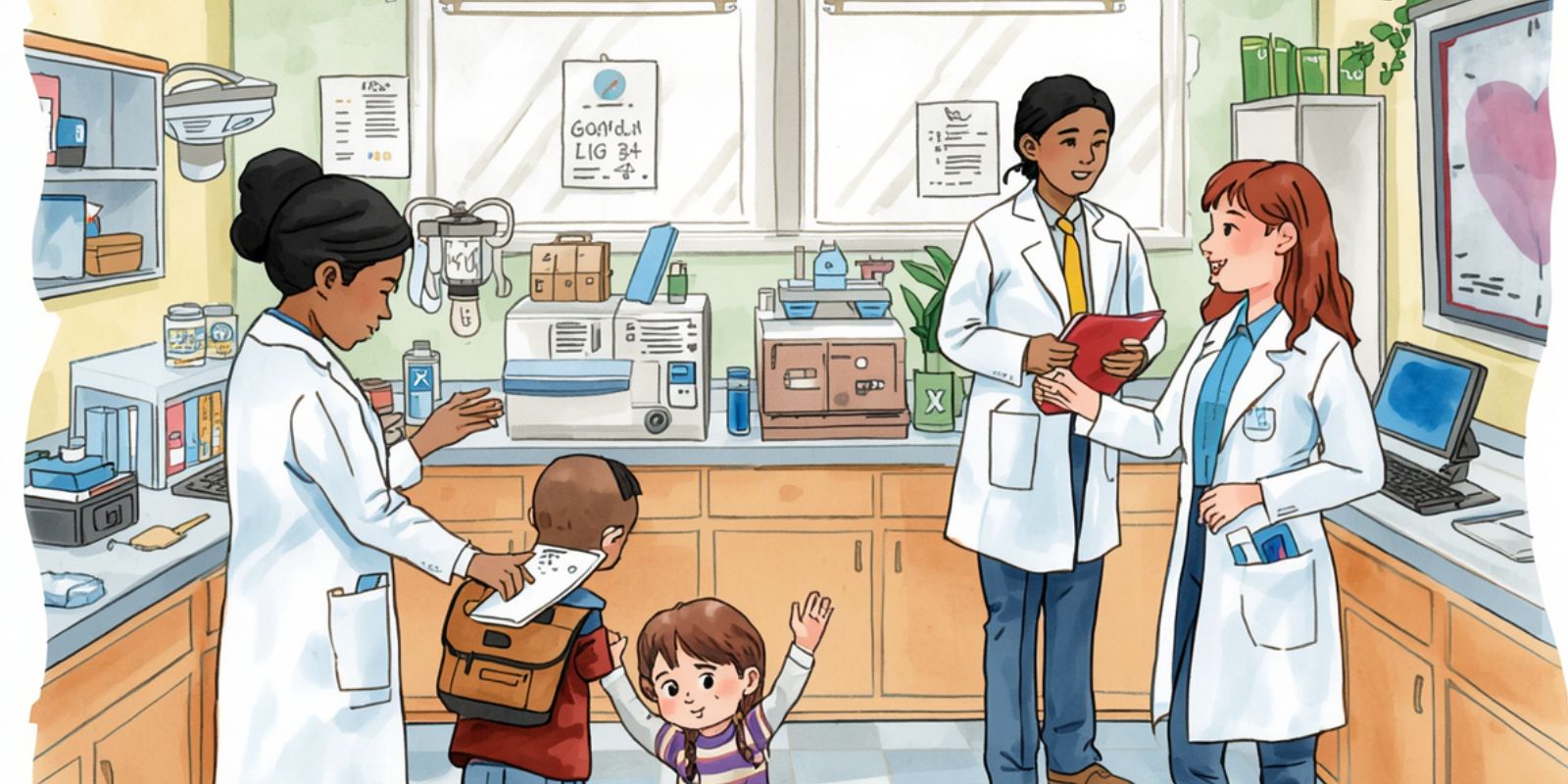
Child Health Monitoring Through Lab Testing
Ensuring a child’s healthy growth and development is one of the most important responsibilities for parents and caregivers. While regular physical check-ups and a balanced lifestyle are essential, laboratory testing plays a crucial role in monitoring a child’s health from infancy through adolescence. Child health monitoring through lab testing allows for early detection of diseases, assessment of nutritional status, and timely medical intervention, ensuring a strong foundation for lifelong well-being.
Understanding Child Health Monitoring
Child health monitoring refers to the continuous assessment of a child’s physical, emotional, and developmental health. It involves tracking growth milestones, evaluating organ function, and identifying potential health risks before they become serious issues. Laboratory tests provide accurate and objective data that help pediatricians make informed decisions regarding diagnosis and treatment.
Children are more vulnerable to infections, nutritional deficiencies, and developmental disorders. Therefore, routine lab testing acts as a preventive measure that helps detect problems early and ensures proper medical care.
Importance of Lab Testing in Children
Laboratory testing is an essential part of pediatric healthcare for several reasons:
1. Early Detection of Diseases
Many health conditions in children, such as anemia, infections, and metabolic disorders, may not show visible symptoms initially. Lab tests help identify these issues early, allowing for prompt treatment and preventing complications.
2. Monitoring Growth and Development
Regular testing helps track whether a child is growing appropriately. It can reveal deficiencies in essential nutrients like iron, calcium, and vitamins that are critical for healthy development.
3. Assessing Immune Function
Children are often exposed to various pathogens. Lab tests help evaluate their immune system’s strength and ability to fight infections.
4. Managing Chronic Conditions
For children diagnosed with chronic conditions such as asthma, diabetes, or thyroid disorders, routine lab testing is vital to monitor disease progression and adjust treatment plans accordingly.
5. Preventive Healthcare
Routine screenings help detect potential health risks even before symptoms appear, promoting preventive healthcare practices.
Common Lab Tests for Child Health Monitoring
Several laboratory tests are commonly recommended for children at different stages of growth. These include:
1. Complete Blood Count (CBC)
A CBC test evaluates overall health by measuring different components of blood, including red blood cells, white blood cells, and platelets. It helps detect anemia, infections, and immune system disorders.
2. Blood Glucose Test
This test measures blood sugar levels and is essential for detecting diabetes or monitoring children at risk of developing the condition.
3. Iron Studies
Iron deficiency is common in children and can lead to fatigue and developmental delays. Iron tests help assess iron levels and diagnose anemia.
4. Vitamin and Mineral Tests
Tests for vitamins such as Vitamin D and B12, as well as minerals like calcium, help ensure proper growth and bone development.
5. Thyroid Function Tests
These tests evaluate thyroid hormone levels, which are crucial for metabolism, growth, and brain development.
6. Urine Analysis
Urine tests help detect infections, kidney issues, and metabolic conditions.
7. Stool Tests
Stool examinations are useful for identifying digestive issues, infections, and parasites.
8. Allergy Testing
Allergy tests help identify sensitivities to food, dust, pollen, or other allergens that may affect a child’s health.
Age-Wise Lab Testing Recommendations
Child health monitoring varies depending on age:
Infants (0–1 year)
- Newborn screening tests for genetic and metabolic disorders
- Bilirubin test for jaundice
- Blood tests for infections
Toddlers (1–3 years)
- CBC for anemia screening
- Lead level testing (if exposure risk exists)
- Nutritional assessments
Preschool and School-Age Children (4–12 years)
- Routine CBC and urine tests
- Vitamin and mineral level checks
- Vision and hearing screenings
Adolescents (13–18 years)
- Hormonal tests for puberty-related changes
- Lipid profile for cholesterol levels
- Blood sugar testing
- Screening for lifestyle-related conditions
Role of Parents in Child Health Monitoring
Parents play a vital role in ensuring that children undergo timely lab testing. Here are some ways parents can contribute:
- Maintain Regular Check-Ups: Schedule routine pediatric visits and follow the doctor’s recommendations for lab tests.
- Observe Symptoms: Pay attention to changes in behavior, appetite, or energy levels that may indicate underlying health issues.
- Ensure Balanced Nutrition: Proper diet supports accurate lab results and overall health.
- Keep Medical Records: Maintain a record of all lab reports and medical history for future reference.
- Educate Children: Teach older children the importance of health check-ups and testing.
Benefits of Early Diagnosis Through Lab Testing
Early diagnosis offers numerous benefits:
- Prevents disease progression
- Reduces treatment complexity and cost
- Improves recovery outcomes
- Supports healthy physical and cognitive development
- Enhances quality of life
For example, detecting iron deficiency early can prevent anemia-related complications such as fatigue and poor academic performance. Similarly, identifying thyroid imbalances early can ensure normal growth and brain development.
Challenges in Pediatric Lab Testing
While lab testing is essential, it comes with certain challenges:
1. Fear and Anxiety
Children often feel scared of needles and medical procedures. Creating a child-friendly environment and explaining the process gently can help reduce anxiety.
2. Sample Collection Difficulties
Collecting blood or urine samples from young children can be challenging. Skilled healthcare professionals and proper techniques are necessary.
3. Cost Concerns
Some lab tests may be expensive, especially if repeated frequently. However, preventive testing often reduces long-term healthcare costs.
4. Interpretation of Results
Children’s lab values differ from adults, so proper interpretation by a pediatric specialist is crucial.
Advancements in Pediatric Lab Testing
Modern technology has significantly improved pediatric diagnostics:
- Minimally Invasive Techniques: Smaller needles and advanced devices reduce discomfort.
- Faster Results: Automated systems provide quicker and more accurate results.
- Home Collection Services: Many labs now offer home sample collection, making testing more convenient.
- Digital Reports: Easy access to online reports helps parents track health trends over time.
Importance of Choosing the Right Laboratory
Selecting a reliable diagnostic laboratory is essential for accurate results. Consider the following factors:
- Accreditation and certification
- Experienced staff
- Advanced equipment
- Hygiene and safety standards
- Timely report delivery
Accurate lab results are critical for proper diagnosis and treatment, making the choice of lab an important decision.
Integrating Lab Testing with Overall Child Care
Lab testing should not be viewed in isolation but as part of a comprehensive child healthcare plan. It works best when combined with:
- Regular physical examinations
- Vaccination schedules
- Healthy diet and exercise
- Mental and emotional well-being support
This integrated approach ensures holistic development and long-term health.
Conclusion
Child health monitoring through lab testing is a vital component of modern pediatric care. It provides valuable insights into a child’s health, enabling early detection, prevention, and effective management of various conditions. By incorporating routine lab testing into a child’s healthcare routine, parents and healthcare providers can work together to ensure optimal growth, development, and overall well-being.
Investing in regular health monitoring today helps build a healthier and stronger future for children, empowering them to lead active and fulfilling lives.