
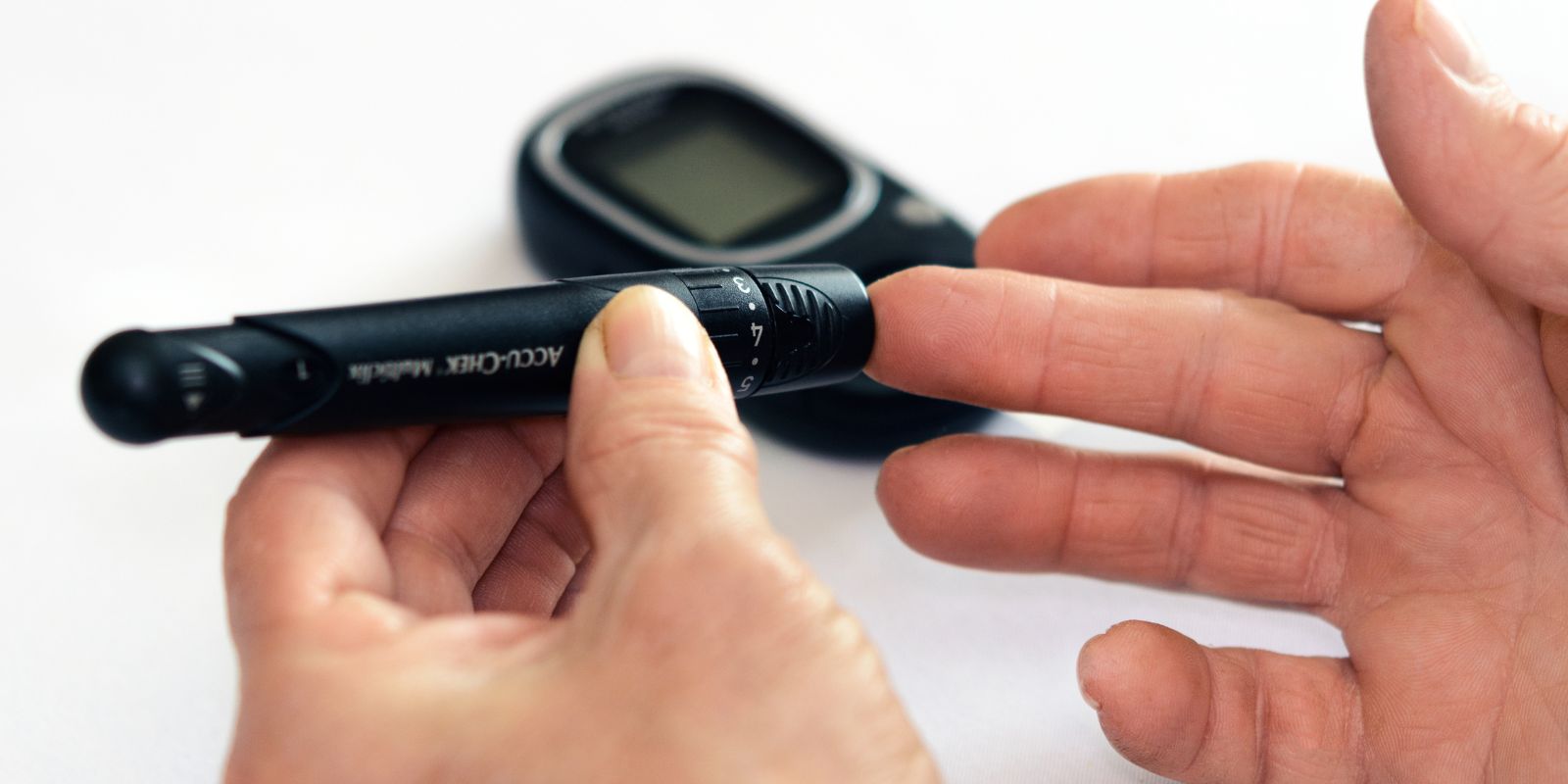
Diabetes Tests You Should Never Ignore
Diabetes is one of the fastest-growing health concerns worldwide, affecting millions of people across all age groups. Often called a “silent disease,” it can progress unnoticed until serious complications arise. The key to managing diabetes effectively lies in early detection, regular monitoring, and timely medical intervention. This is where diabetes tests play a crucial role.
Understanding which tests you should never ignore can help you detect potential issues early, prevent complications, and maintain a healthier lifestyle. In this comprehensive guide, we’ll explore the most important diabetes tests, why they matter, and how often you should take them.
Why Diabetes Testing Is Important
Diabetes affects how your body processes blood sugar (glucose). If left unmanaged, high blood sugar levels can damage organs, including the heart, kidneys, eyes, and nerves. Regular testing helps:
- Detect diabetes early
- Monitor blood sugar control
- Prevent complications
- Adjust treatment plans effectively
Many people remain undiagnosed for years, making routine testing even more essential—especially if you have risk factors like obesity, family history, or a sedentary lifestyle.
1. Fasting Blood Sugar (FBS) Test
The fasting blood sugar test is one of the most common and essential tests for diagnosing diabetes. It measures your blood sugar level after fasting for at least 8 hours.
Why It Matters
This test gives a clear picture of your baseline blood sugar levels without the influence of recent meals.
Normal Range
- Normal: Less than 100 mg/dL
- Prediabetes: 100–125 mg/dL
- Diabetes: 126 mg/dL or higher
When to Take It
- Annually if you are above 30
- More frequently if you are at risk
2. Postprandial Blood Sugar (PPBS) Test
The PPBS test measures blood sugar levels two hours after eating.
Why It Matters
It shows how well your body handles glucose after meals and helps identify spikes that fasting tests may miss.
Normal Range
- Normal: Less than 140 mg/dL
- Diabetes: 200 mg/dL or higher
When to Take It
- Alongside fasting tests
- For monitoring ongoing diabetes
3. HbA1c (Glycated Hemoglobin) Test
The HbA1c test provides an average of your blood sugar levels over the past 2–3 months.
Why It Matters
Unlike daily tests, this gives a long-term view of your glucose control, making it one of the most reliable diabetes indicators.
Normal Range
- Normal: Below 5.7%
- Prediabetes: 5.7%–6.4%
- Diabetes: 6.5% or higher
When to Take It
- Every 3–6 months if diabetic
- Annually if at risk
4. Oral Glucose Tolerance Test (OGTT)
This test measures your body’s response to sugar. You’ll first take a fasting test, then drink a glucose solution, and your blood sugar is checked after two hours.
Why It Matters
OGTT is particularly useful for diagnosing gestational diabetes and early-stage diabetes.
Normal Range
- Normal: Less than 140 mg/dL
- Prediabetes: 140–199 mg/dL
- Diabetes: 200 mg/dL or higher
When to Take It
- During pregnancy
- If other tests are borderline
5. Random Blood Sugar (RBS) Test
This test measures blood sugar levels at any time of the day, regardless of when you last ate.
Why It Matters
It is useful in emergency situations or when symptoms like excessive thirst, frequent urination, or fatigue are present.
Normal Range
- Normal: Less than 140 mg/dL
- Diabetes: 200 mg/dL or higher with symptoms
When to Take It
- Anytime symptoms appear
- During routine checkups
6. Urine Sugar Test
Although not as accurate as blood tests, urine tests can detect sugar levels and indicate potential diabetes.
Why It Matters
It’s a quick screening tool, especially in areas with limited access to blood testing.
Limitations
- Less precise
- May not detect early diabetes
7. Continuous Glucose Monitoring (CGM)
CGM systems use a small sensor placed under the skin to monitor glucose levels throughout the day and night.
Why It Matters
- Tracks real-time glucose changes
- Helps identify patterns and trends
- Reduces the need for frequent finger pricks
When to Use It
- For people with Type 1 diabetes
- For those needing strict glucose control
8. C-Peptide Test
This test measures how much insulin your body is producing.
Why It Matters
It helps differentiate between Type 1 and Type 2 diabetes and guides treatment decisions.
9. Lipid Profile Test
Diabetes often affects cholesterol levels, increasing the risk of heart disease.
Why It Matters
Monitoring cholesterol helps prevent cardiovascular complications.
Key Components
- LDL (bad cholesterol)
- HDL (good cholesterol)
- Triglycerides
10. Kidney Function Tests
Diabetes is a leading cause of kidney damage. Tests like serum creatinine and urine microalbumin are essential.
Why It Matters
Early detection can prevent kidney failure.
11. Eye (Retina) Examination
High blood sugar can damage blood vessels in the eyes, leading to diabetic retinopathy.
Why It Matters
Regular eye exams help prevent vision loss.
12. Foot Examination
Diabetes can cause nerve damage (neuropathy), especially in the feet.
Why It Matters
Early detection prevents ulcers and infections that may lead to serious complications.
Risk Factors That Make Testing Essential
You should never ignore diabetes testing if you have:
- Family history of diabetes
- Overweight or obesity
- Sedentary lifestyle
- High blood pressure
- High cholesterol
- History of gestational diabetes
Early testing is particularly important in India, where diabetes prevalence is rising rapidly due to lifestyle and dietary changes.
How Often Should You Get Tested?
Testing frequency depends on your risk level:
- Healthy adults: Once a year after age 30
- Prediabetic individuals: Every 3–6 months
- Diabetic patients: As advised by a doctor (often monthly or quarterly)
Regular monitoring ensures that any changes in blood sugar levels are detected early.
Tips to Maintain Healthy Blood Sugar Levels
Testing is only one part of diabetes management. Here are practical tips to keep your blood sugar under control:
1. Eat a Balanced Diet
Focus on whole grains, vegetables, fruits, and lean proteins. Avoid excessive sugar and processed foods.
2. Exercise Regularly
At least 30 minutes of moderate exercise daily can significantly improve insulin sensitivity.
3. Stay Hydrated
Drinking enough water helps regulate blood sugar levels.
4. Manage Stress
Chronic stress can raise blood sugar levels. Practice relaxation techniques like yoga or meditation.
5. Get Enough Sleep
Poor sleep can disrupt glucose metabolism and increase the risk of diabetes.
Common Symptoms You Should Never Ignore
Even if you haven’t been diagnosed, watch out for these warning signs:
- Frequent urination
- Excessive thirst
- Unexplained weight loss
- Fatigue
- Blurred vision
- Slow-healing wounds
If you experience any of these, consult a healthcare professional and get tested immediately.
Conclusion
Diabetes is a manageable condition, but only if detected early and monitored regularly. Ignoring essential diabetes tests can lead to severe complications that affect your quality of life. Tests like fasting blood sugar, HbA1c, and OGTT are not just medical procedures—they are powerful tools that can help you take control of your health.
By staying proactive, scheduling regular screenings, and adopting a healthy lifestyle, you can prevent or manage diabetes effectively. Remember, early detection saves lives, and the right tests at the right time can make all the difference.