
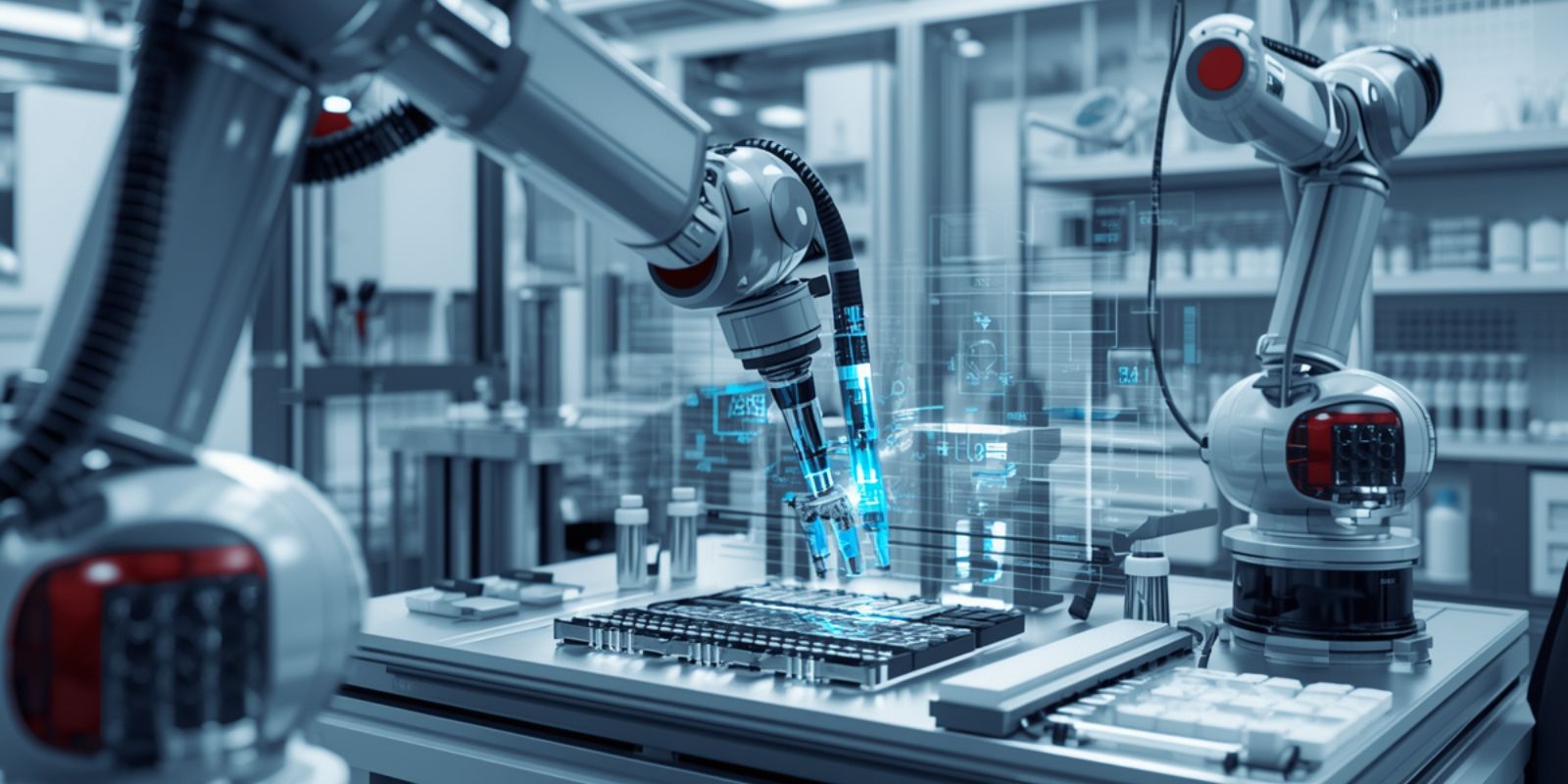
Digital Lab Systems Improve Efficiency
In today’s rapidly evolving healthcare landscape, laboratories play a critical role in diagnosis, treatment planning, and patient monitoring. As the demand for faster and more accurate results continues to rise, traditional laboratory methods are no longer sufficient to meet modern expectations. This is where digital lab systems come into play. By integrating advanced technologies into laboratory workflows, digital lab systems significantly improve efficiency, accuracy, and overall performance.
Understanding Digital Lab Systems
Digital lab systems refer to the use of software, automation tools, and connected devices to manage laboratory operations. These systems include Laboratory Information Management Systems (LIMS), Electronic Health Records (EHR) integration, automated analyzers, and data analytics platforms. Together, they create a seamless environment where data flows efficiently, minimizing manual intervention and reducing the risk of errors.
The Need for Efficiency in Laboratories
Efficiency in laboratories is crucial because it directly impacts patient outcomes. Delays in test results can lead to delayed diagnoses and treatments, which may compromise patient care. Additionally, inefficient workflows can increase operational costs, strain resources, and lead to staff burnout. Digital lab systems address these challenges by streamlining processes and enhancing productivity.
Key Ways Digital Lab Systems Improve Efficiency
1. Automation of Routine Tasks
One of the most significant advantages of digital lab systems is automation. Routine tasks such as sample labeling, data entry, and report generation can be automated, saving time and reducing human errors. Automation allows laboratory staff to focus on more complex and value-added tasks, improving overall productivity.
2. Faster Data Processing and Retrieval
Digital systems enable rapid data processing and easy retrieval of information. Test results can be generated and accessed in real time, allowing healthcare providers to make quicker decisions. This speed is particularly important in emergency situations where timely intervention is critical.
3. Improved Accuracy and Reduced Errors
Manual processes are prone to errors, which can have serious consequences in healthcare. Digital lab systems minimize these risks by ensuring accurate data entry and analysis. Barcode scanning, automated validation checks, and standardized workflows help maintain data integrity and consistency.
4. Seamless Integration with Healthcare Systems
Digital lab systems can integrate with other healthcare technologies, such as hospital management systems and EHRs. This integration ensures that patient information is easily accessible across departments, improving coordination and reducing duplication of work. It also enhances communication between healthcare providers, leading to better patient care.
5. Enhanced Workflow Management
With digital lab systems, laboratories can monitor and manage workflows more effectively. Managers can track sample progress, identify bottlenecks, and optimize resource allocation. This level of visibility helps improve turnaround times and ensures that operations run smoothly.
6. Cost Efficiency
Although the initial investment in digital lab systems may be high, the long-term benefits outweigh the costs. Automation reduces labor expenses, minimizes errors, and decreases the need for repeat tests. Efficient resource utilization also contributes to cost savings, making digital systems a smart investment for laboratories.
7. Better Compliance and Reporting
Laboratories must adhere to strict regulatory standards. Digital lab systems simplify compliance by maintaining accurate records and generating detailed reports. These systems can also provide audit trails, ensuring transparency and accountability in laboratory operations.
8. Data Analytics and Insights
Digital lab systems enable the use of advanced data analytics to gain valuable insights. Laboratories can analyze trends, monitor performance, and identify areas for improvement. Predictive analytics can also help in anticipating future demands and optimizing operations accordingly.
Impact on Healthcare Delivery
The efficiency gained through digital lab systems has a direct impact on healthcare delivery. Faster and more accurate test results lead to timely diagnoses and treatments, improving patient outcomes. Healthcare providers can make informed decisions based on reliable data, enhancing the quality of care.
Moreover, digital systems improve patient satisfaction by reducing waiting times and ensuring transparency in the testing process. Patients can access their reports online, making healthcare more convenient and accessible.
Challenges in Implementing Digital Lab Systems
Despite their numerous benefits, implementing digital lab systems comes with challenges. These may include high initial costs, resistance to change among staff, and the need for proper training. Additionally, data security and privacy concerns must be addressed to protect sensitive patient information.
To overcome these challenges, laboratories must adopt a strategic approach. This includes investing in training programs, choosing the right technology solutions, and ensuring robust cybersecurity measures.
The Future of Digital Lab Systems
The future of digital lab systems looks promising, with continuous advancements in technology. Artificial intelligence (AI), machine learning, and the Internet of Things (IoT) are expected to further enhance laboratory efficiency. These technologies can enable predictive diagnostics, automated decision-making, and real-time monitoring of laboratory processes.
Cloud-based solutions are also gaining popularity, allowing laboratories to store and access data securely from anywhere. This flexibility supports remote work and collaboration, making laboratory operations more adaptable and resilient.
Best Practices for Maximizing Efficiency
To fully leverage the benefits of digital lab systems, laboratories should follow best practices such as:
- Regular system updates to ensure optimal performance
- Continuous staff training to keep up with technological advancements
- Data standardization to maintain consistency and accuracy
- Performance monitoring to identify and address inefficiencies
- Strong cybersecurity measures to protect sensitive data
By adopting these practices, laboratories can maximize the efficiency and effectiveness of their digital systems.
Conclusion
Digital lab systems are transforming the way laboratories operate, offering significant improvements in efficiency, accuracy, and productivity. By automating routine tasks, enhancing data management, and enabling seamless integration with healthcare systems, these technologies play a vital role in modern healthcare.
As the demand for high-quality healthcare continues to grow, the adoption of digital lab systems will become increasingly important. Laboratories that embrace these technologies will be better equipped to meet the challenges of the future, deliver superior patient care, and maintain a competitive edge in the healthcare industry.