
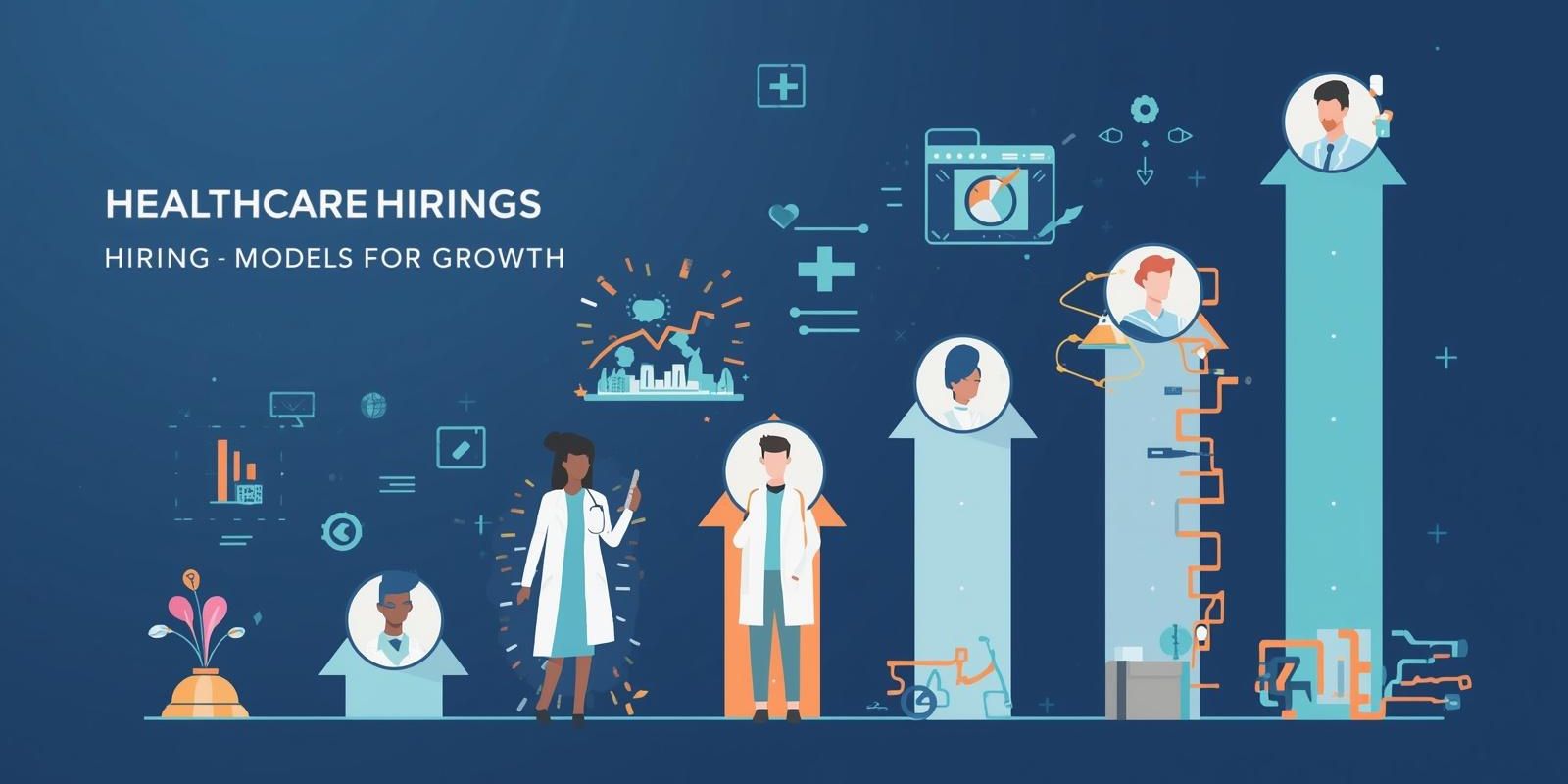
Efficient Healthcare Hiring Models For Growth
Introduction
The healthcare industry is experiencing unprecedented growth driven by increasing patient demands, technological advancements, and global health challenges. As hospitals, clinics, and healthcare organizations expand their services, the need for skilled professionals continues to rise. However, recruiting and retaining the right talent remains one of the biggest challenges in the sector.
Efficient healthcare hiring models have emerged as a strategic solution to address workforce shortages while ensuring quality patient care. These models not only streamline recruitment processes but also enable organizations to scale effectively, reduce costs, and maintain compliance with industry standards. This article explores various efficient healthcare hiring models that support sustainable growth and operational excellence.
The Importance of Efficient Hiring in Healthcare
Healthcare hiring is more complex than traditional recruitment due to the critical nature of roles, regulatory requirements, and the need for specialized skills. Inefficient hiring processes can lead to staff shortages, increased burnout, and compromised patient care.
Efficient hiring models help organizations:
- Reduce time-to-hire for critical roles
- Improve workforce quality and retention
- Optimize recruitment costs
- Enhance patient outcomes through better staffing
- Ensure compliance with healthcare regulations
In a competitive landscape, adopting the right hiring model can significantly impact an organization’s growth trajectory.
Key Healthcare Hiring Models for Growth
1. Recruitment Process Outsourcing (RPO)
Recruitment Process Outsourcing (RPO) is one of the most effective hiring models for healthcare organizations aiming for scalability. In this model, an external provider manages all or part of the recruitment process.
Benefits:
- Access to a wider talent pool
- Faster hiring cycles
- Reduced administrative burden
- Data-driven recruitment strategies
RPO is particularly useful for large hospital networks and healthcare systems experiencing rapid expansion.
2. Managed Service Provider (MSP) Model
The MSP model focuses on managing contingent workforce needs, such as temporary nurses, locum doctors, and allied healthcare professionals.
Advantages:
- Centralized workforce management
- Improved vendor coordination
- Cost control and transparency
- Flexibility in staffing
This model is ideal for healthcare organizations dealing with fluctuating patient volumes or seasonal demand spikes.
3. Hybrid Hiring Model
A hybrid hiring model combines in-house recruitment teams with external staffing agencies. This approach allows organizations to maintain control over strategic hiring while outsourcing high-volume or specialized roles.
Key Features:
- Balanced cost and efficiency
- Scalable recruitment processes
- Enhanced hiring flexibility
Hybrid models are gaining popularity due to their adaptability and effectiveness in meeting diverse hiring needs.
4. Direct Hire Model
The direct hire model involves recruiting full-time employees for long-term roles within the organization. While it may require more time and resources initially, it ensures stability and continuity.
Benefits:
- Higher employee commitment
- Better cultural alignment
- Long-term workforce stability
Healthcare organizations often use this model for critical roles such as physicians, senior nurses, and administrative leaders.
5. Temporary and Contract Staffing
Temporary staffing is essential for addressing short-term workforce gaps. Contract professionals can be hired for specific projects, seasonal demands, or emergency situations.
Advantages:
- Quick onboarding
- Reduced long-term costs
- Workforce flexibility
This model is particularly valuable during public health emergencies or when launching new healthcare services.
6. Telehealth Staffing Model
With the rise of digital healthcare, telehealth staffing has become a vital hiring model. It involves recruiting remote healthcare professionals to provide virtual care services.
Key Benefits:
- Access to global talent
- Reduced infrastructure costs
- Increased patient reach
Telehealth staffing supports growth by enabling organizations to expand services without geographical limitations.
7. Internal Talent Mobility
Internal hiring focuses on upskilling and promoting existing employees. This model not only reduces recruitment costs but also boosts employee morale and retention.
Benefits:
- Faster hiring process
- Lower training costs
- Increased employee satisfaction
Investing in internal talent development is a sustainable strategy for long-term growth.
Leveraging Technology in Healthcare Hiring
Technology plays a crucial role in improving hiring efficiency. Modern healthcare organizations are adopting digital tools to streamline recruitment processes.
Key Technologies:
- Applicant Tracking Systems (ATS)
- AI-driven candidate screening
- Video interviewing platforms
- Workforce analytics tools
These technologies help reduce manual efforts, improve candidate experience, and enable data-driven decision-making.
Challenges in Healthcare Hiring Models
Despite the advantages, healthcare hiring models come with certain challenges:
- Talent shortages in specialized roles
- High competition for skilled professionals
- Regulatory compliance requirements
- Retention and burnout issues
Organizations must address these challenges by adopting proactive strategies and continuously refining their hiring approaches.
Strategies for Implementing Efficient Hiring Models
To maximize the benefits of healthcare hiring models, organizations should focus on the following strategies:
1. Workforce Planning
Develop a clear understanding of current and future staffing needs. This helps in selecting the most suitable hiring model.
2. Employer Branding
A strong employer brand attracts top talent and improves candidate engagement.
3. Data-Driven Recruitment
Use analytics to track hiring performance and optimize processes.
4. Candidate Experience
Ensure a smooth and transparent hiring process to attract high-quality candidates.
5. Compliance Management
Stay updated with healthcare regulations to avoid legal complications.
The Role of Diversity and Inclusion
Diversity and inclusion are essential components of modern healthcare hiring. A diverse workforce enhances patient care by bringing different perspectives and cultural understanding.
Benefits:
- Improved patient satisfaction
- Enhanced team collaboration
- Better organizational performance
Healthcare organizations should integrate diversity initiatives into their hiring models to drive growth and innovation.
Future Trends in Healthcare Hiring
The future of healthcare hiring is shaped by evolving technologies and workforce expectations. Key trends include:
- Increased adoption of AI and automation
- Growth of remote and telehealth roles
- Focus on employee well-being and retention
- Expansion of gig and freelance healthcare workforce
Organizations that adapt to these trends will be better positioned for sustainable growth.
Conclusion
Efficient healthcare hiring models are critical for organizations aiming to scale and deliver high-quality patient care. By adopting the right mix of recruitment strategies, leveraging technology, and focusing on workforce development, healthcare providers can overcome hiring challenges and achieve long-term success.
Whether through RPO, MSP, hybrid models, or telehealth staffing, the key lies in flexibility, innovation, and strategic planning. As the healthcare landscape continues to evolve, organizations must remain agile and proactive in their hiring approaches to stay competitive and meet growing demands.