
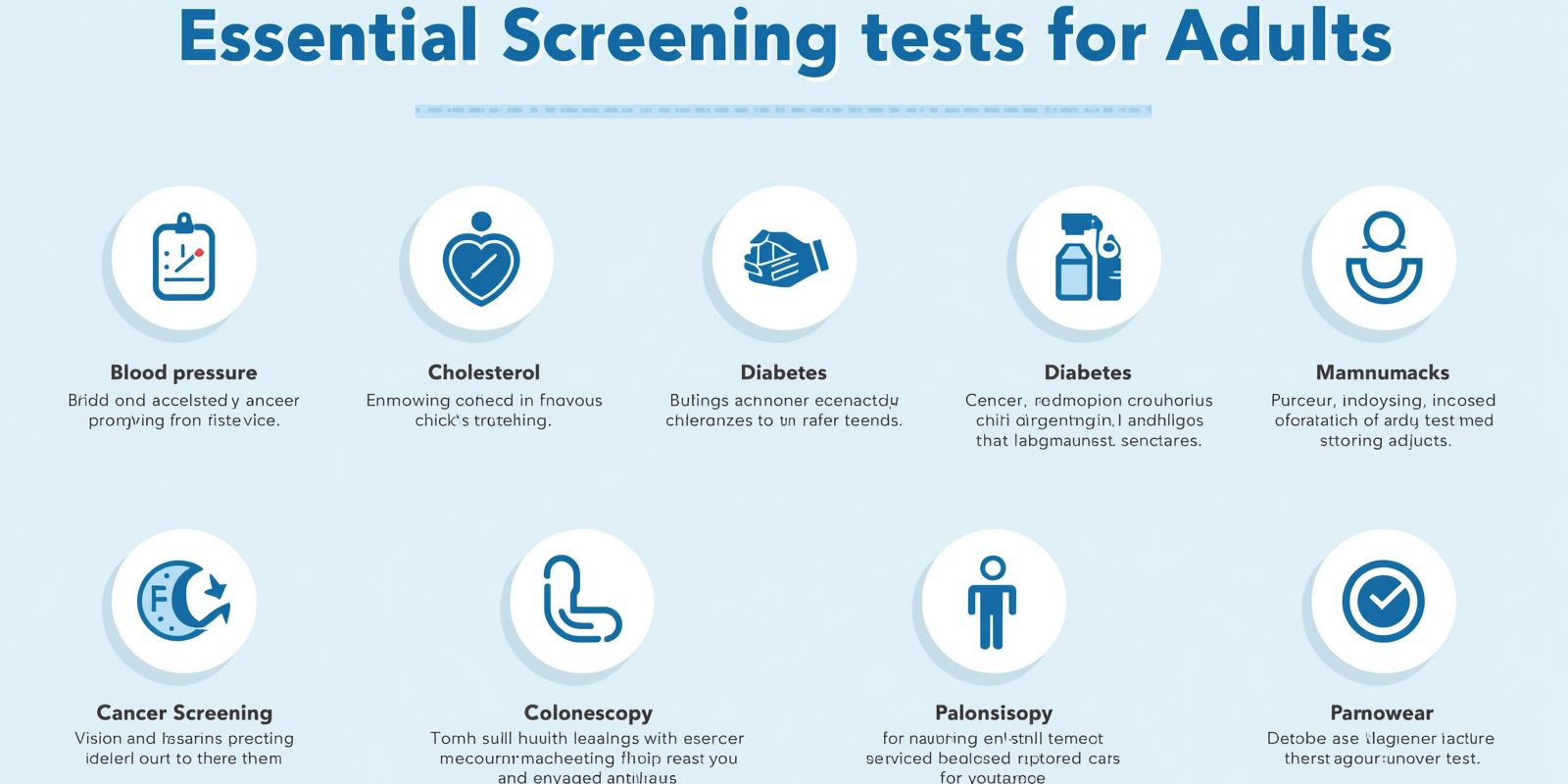
Essential Screening Tests For Adults
Introduction
Preventive healthcare has become more important than ever in today’s fast-paced world. Many serious health conditions develop silently without noticeable symptoms, making early detection crucial for effective treatment. This is where essential screening tests for adults play a vital role. These tests help identify potential health issues before they become severe, allowing timely intervention and better health outcomes.
Whether you are in your 20s, 30s, 40s, or beyond, regular health screenings should be a priority. They not only help detect diseases early but also provide a clear understanding of your overall health status. In this article, we will explore the most important screening tests every adult should consider, their significance, and how often they should be performed.
Why Are Screening Tests Important?
Screening tests are medical tests performed on individuals who may not show any symptoms of a disease. The primary goal is early detection. Early diagnosis often leads to more effective treatment, reduced healthcare costs, and improved quality of life.
Key benefits include:
- Early detection of chronic diseases
- Prevention of complications
- Monitoring existing health conditions
- Promoting a proactive approach to health
Essential Screening Tests For Adults
1. Blood Pressure Test
High blood pressure, also known as hypertension, is often called a “silent killer” because it typically shows no symptoms. Regular monitoring helps detect abnormal levels early.
Why it matters:
- Prevents heart disease and stroke
- Helps manage cardiovascular health
Frequency:
- Every 1–2 years for adults
- More frequently if you have risk factors
2. Blood Sugar Test
A blood glucose test helps detect diabetes or prediabetes. With the rising prevalence of diabetes, especially in India, this test is essential.
Why it matters:
- Early detection of diabetes
- Prevents complications like kidney damage and nerve issues
Frequency:
- Every 3 years after age 30
- Annually if at risk
3. Lipid Profile Test
This test measures cholesterol levels, including LDL (bad cholesterol), HDL (good cholesterol), and triglycerides.
Why it matters:
- Assesses risk of heart disease
- Helps manage cholesterol levels
Frequency:
- Every 4–6 years for healthy adults
- More often if you have heart risk factors
4. Body Mass Index (BMI)
BMI is a simple calculation based on height and weight that helps determine whether you are underweight, normal, overweight, or obese.
Why it matters:
- Indicates risk for lifestyle diseases
- Helps maintain healthy weight
Frequency:
- At least once a year
5. Complete Blood Count (CBC)
CBC is a basic blood test that evaluates overall health and detects disorders like anemia, infection, and more.
Why it matters:
- Detects infections and blood disorders
- Provides a general health overview
Frequency:
- Annually or as recommended
6. Thyroid Function Test
This test checks how well your thyroid gland is working by measuring hormone levels.
Why it matters:
- Detects hypothyroidism or hyperthyroidism
- Helps manage metabolism and energy levels
Frequency:
- Every 3–5 years
- More often if symptoms are present
7. Liver Function Test (LFT)
LFT measures enzymes and proteins in the blood to assess liver health.
Why it matters:
- Detects liver damage or disease
- Monitors effects of medications and alcohol
Frequency:
- Annually, especially for high-risk individuals
8. Kidney Function Test (KFT)
KFT evaluates how well your kidneys are working by measuring waste products in the blood.
Why it matters:
- Detects kidney disease early
- Prevents long-term complications
Frequency:
- Annually if you have diabetes or hypertension
9. Cancer Screening Tests
a. Breast Cancer Screening (Mammogram)
Recommended for women to detect early signs of breast cancer.
Frequency:
- Every 1–2 years after age 40
b. Cervical Cancer Screening (Pap Smear)
Detects abnormal cells in the cervix.
Frequency:
- Every 3 years for women aged 21–65
c. Colorectal Cancer Screening
Includes stool tests or colonoscopy.
Frequency:
- Starting at age 45
10. Eye Examination
Regular eye check-ups help detect vision problems and eye diseases like glaucoma.
Why it matters:
- Prevents vision loss
- Detects early eye diseases
Frequency:
- Every 2 years
- Annually after age 40
11. Dental Check-Up
Oral health is closely linked to overall health.
Why it matters:
- Prevents gum disease and cavities
- Detects early signs of oral cancer
Frequency:
- Every 6 months
12. Bone Density Test
This test measures bone strength and detects osteoporosis.
Why it matters:
- Prevents fractures
- Maintains bone health
Frequency:
- Women after 50
- Men after 60 or earlier if at risk
Age-Wise Screening Recommendations
In Your 20s–30s
- Blood pressure
- Blood sugar
- BMI
- Thyroid test
- Basic blood tests
In Your 40s–50s
- Lipid profile
- Cancer screenings
- Eye exams
- Liver and kidney tests
60 and Above
- Bone density test
- Regular cancer screenings
- Frequent health monitoring
Risk Factors That Require More Frequent Testing
Some individuals may need more frequent screenings due to:
- Family history of chronic diseases
- Obesity
- Smoking or alcohol consumption
- Sedentary lifestyle
- Existing medical conditions
Tips To Stay Consistent With Health Screenings
- Schedule annual health checkups
- Maintain a personal health record
- Follow your doctor’s recommendations
- Adopt a healthy lifestyle
- Stay informed about your health
Conclusion
Essential screening tests for adults are a cornerstone of preventive healthcare. They empower individuals to take control of their health by identifying risks early and managing them effectively. Regular screenings not only help detect diseases at an early stage but also contribute to a longer, healthier life.
By incorporating these tests into your routine healthcare plan, you can significantly reduce the risk of serious health complications. Remember, prevention is always better than cure, and investing in regular health checkups is one of the best decisions you can make for your future well-being.