
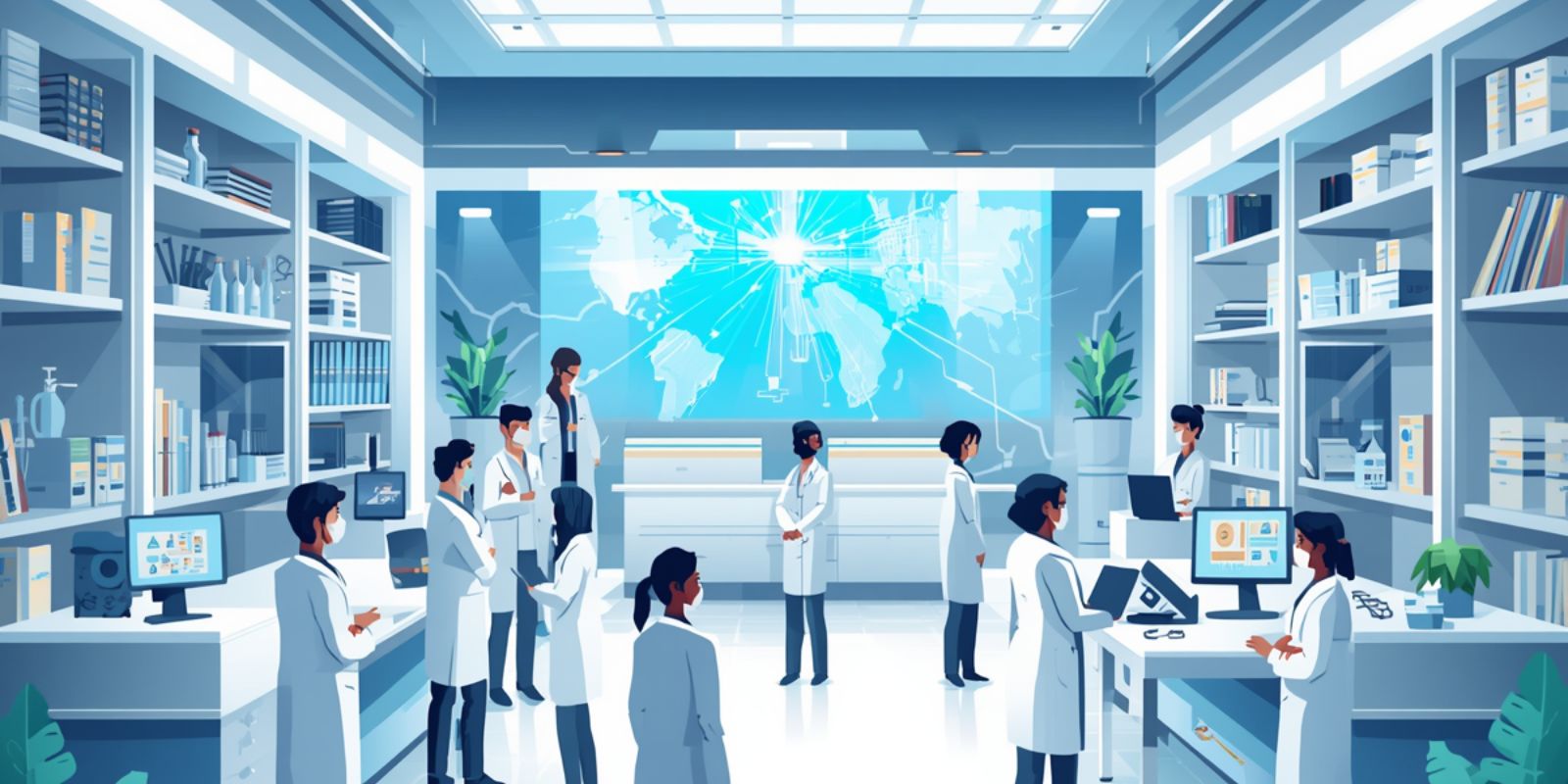
Future Ready Diagnostic Labs Improving Healthcare
The healthcare industry is undergoing a rapid transformation, and diagnostic laboratories are at the heart of this change. As medical science advances and patient expectations evolve, the need for faster, more accurate, and accessible diagnostic services has never been greater. Future-ready diagnostic labs are emerging as powerful enablers of modern healthcare, leveraging advanced technologies, automation, and data-driven insights to improve patient outcomes and streamline healthcare delivery.
The Evolution of Diagnostic Laboratories
Traditional diagnostic labs primarily focused on manual testing processes, often leading to delays and occasional inconsistencies. However, the shift toward digitalization and automation has redefined how labs operate. Future-ready labs integrate cutting-edge tools such as artificial intelligence (AI), machine learning (ML), robotics, and cloud computing to enhance efficiency and accuracy.
Organizations like the World Health Organization emphasize the importance of strong diagnostic systems in ensuring effective disease prevention, early detection, and treatment. With the increasing burden of chronic diseases and emerging health threats, modern labs are stepping up to meet global healthcare demands.
Key Features of Future-Ready Diagnostic Labs
1. Advanced Automation
Automation plays a critical role in reducing human error and increasing testing speed. Automated analyzers can process large volumes of samples with minimal manual intervention. This not only improves turnaround time but also ensures consistent results.
Robotic systems are now being used for sample handling, sorting, and testing, allowing labs to operate 24/7 without compromising quality. Automation also helps reduce operational costs in the long run.
2. Artificial Intelligence and Data Analytics
AI-powered diagnostic tools are revolutionizing how diseases are detected and monitored. Machine learning algorithms can analyze complex datasets, identify patterns, and provide predictive insights. This enables early diagnosis of conditions such as cancer, cardiovascular diseases, and infectious illnesses.
Data analytics also supports personalized medicine by tailoring treatment plans based on individual patient profiles. Future-ready labs are becoming data hubs that provide valuable insights for clinicians and healthcare providers.
3. Digital Integration and Connectivity
Modern diagnostic labs are fully integrated with hospital information systems (HIS) and electronic health records (EHR). This seamless connectivity allows healthcare professionals to access patient reports in real time, improving decision-making and reducing delays.
Patients also benefit from digital platforms that provide easy access to test results through mobile apps and online portals, enhancing convenience and engagement.
4. Point-of-Care Testing (POCT)
Future-ready labs are extending their reach beyond traditional settings through point-of-care testing. POCT devices enable rapid diagnostics at the patient’s bedside, in clinics, or even at home.
This approach is particularly beneficial in emergency situations, rural areas, and during pandemics, where quick diagnosis is crucial. It reduces the need for centralized lab visits and speeds up treatment initiation.
5. Quality Assurance and Standardization
Maintaining high standards of quality is essential for diagnostic accuracy. Future-ready labs implement strict quality control measures, accreditation standards, and regular audits.
Advanced technologies help monitor and maintain consistency in testing processes, ensuring reliable results. This builds trust among patients and healthcare providers.
Benefits to Healthcare Systems
Improved Accuracy and Reliability
With the integration of AI and automation, diagnostic errors are significantly reduced. High-precision instruments ensure consistent and reliable test results, which are critical for accurate diagnosis and treatment.
Faster Turnaround Time
Future-ready labs can process samples quickly, delivering results within hours instead of days. This rapid turnaround time is especially important in critical care and emergency situations.
Enhanced Patient Experience
Digital access to reports, reduced waiting times, and convenient testing options improve the overall patient experience. Patients are more engaged in their healthcare journey, leading to better adherence to treatment plans.
Cost Efficiency
While the initial investment in advanced technologies may be high, future-ready labs achieve cost savings through operational efficiency, reduced errors, and optimized resource utilization.
Better Disease Management
Early detection and continuous monitoring enable better management of chronic diseases. Predictive analytics also helps identify potential health risks, allowing preventive measures to be taken.
Role in Public Health and Pandemic Preparedness
The COVID-19 pandemic highlighted the critical role of diagnostic labs in managing public health crises. Future-ready labs are better equipped to handle such challenges with scalable infrastructure, rapid testing capabilities, and real-time data sharing.
These labs contribute to disease surveillance, outbreak detection, and response planning. By leveraging advanced technologies, they can quickly adapt to new testing requirements and ensure continuity of services.
Challenges in Building Future-Ready Labs
Despite the numerous benefits, transitioning to future-ready diagnostic labs comes with its own set of challenges:
- High Initial Investment: Advanced equipment and digital infrastructure require significant capital.
- Skilled Workforce Requirement: Operating modern technologies demands trained professionals.
- Data Security Concerns: With increased digitalization, protecting patient data becomes crucial.
- Regulatory Compliance: Labs must adhere to strict regulations and standards, which can vary across regions.
Addressing these challenges requires strategic planning, investment in training, and collaboration between healthcare providers, technology companies, and policymakers.
The Future Outlook
The future of diagnostic laboratories is promising, with continuous advancements in technology shaping the industry. Innovations such as genomics, wearable health devices, and remote diagnostics are expected to further enhance capabilities.
Personalized medicine will become more prevalent, with diagnostics playing a key role in tailoring treatments to individual patients. Integration with telemedicine platforms will also expand access to healthcare services, especially in underserved areas.
Moreover, sustainability will become a focus area, with labs adopting eco-friendly practices and energy-efficient technologies.
Conclusion
Future-ready diagnostic labs are transforming the healthcare landscape by improving accuracy, efficiency, and accessibility. Through the adoption of advanced technologies and data-driven approaches, these labs are enabling better patient outcomes and more effective healthcare delivery.
As the demand for high-quality diagnostics continues to grow, investing in modern laboratory infrastructure is no longer optional—it is essential. By overcoming challenges and embracing innovation, diagnostic labs can play a pivotal role in building a healthier and more resilient future.