
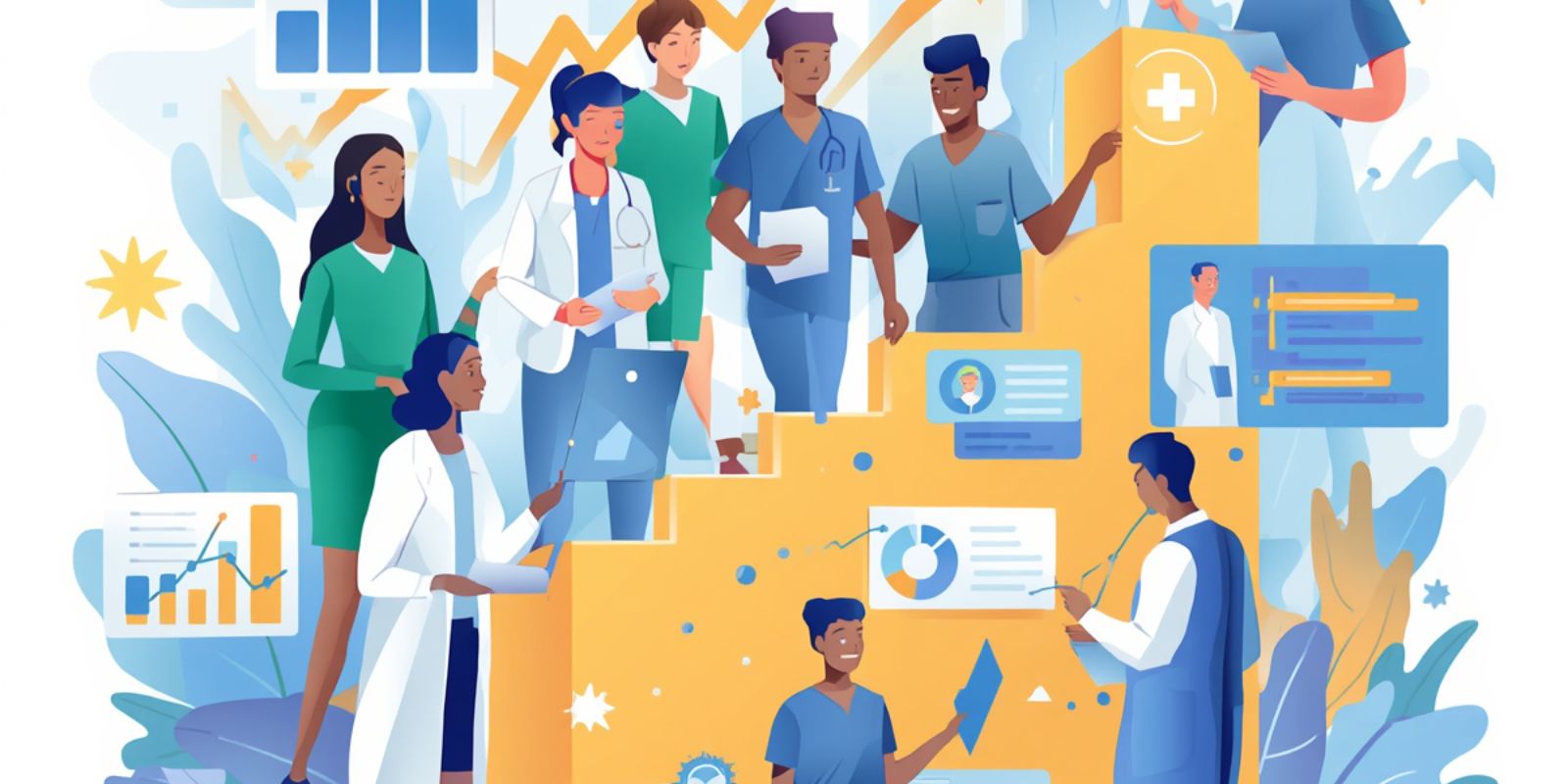
Healthcare Staffing Solutions For Operational Efficiency
In today’s rapidly evolving healthcare landscape, operational efficiency has become a critical priority for hospitals, clinics, and healthcare organizations. Rising patient demands, workforce shortages, regulatory pressures, and technological advancements are pushing healthcare providers to rethink how they manage their workforce. One of the most effective ways to address these challenges is through strategic healthcare staffing solutions.
Healthcare staffing is no longer just about filling vacancies—it’s about ensuring the right talent is in the right place at the right time. Efficient staffing directly impacts patient outcomes, staff satisfaction, and overall organizational performance. This article explores how modern healthcare staffing solutions drive operational efficiency and help organizations thrive in a competitive environment.
Understanding Operational Efficiency in Healthcare
Operational efficiency in healthcare refers to the ability of an organization to deliver high-quality patient care while minimizing costs and optimizing resources. It involves streamlining workflows, reducing redundancies, and improving productivity across departments.
Staffing plays a central role in achieving this efficiency. When healthcare facilities are understaffed, it leads to burnout, longer patient wait times, and compromised care quality. On the other hand, overstaffing increases operational costs without proportional benefits. Therefore, achieving the right staffing balance is essential.
Key Challenges in Healthcare Staffing
Before diving into solutions, it’s important to understand the major challenges healthcare organizations face:
1. Workforce Shortages
There is a global shortage of skilled healthcare professionals, including nurses, physicians, and technicians. This shortage puts immense pressure on existing staff and affects service delivery.
2. High Turnover Rates
Healthcare professionals often experience burnout due to long hours and stressful environments, leading to high turnover rates and increased recruitment costs.
3. Demand Fluctuations
Patient volumes can vary due to seasonal illnesses, emergencies, or unexpected events, making it difficult to maintain consistent staffing levels.
4. Skill Gaps
As healthcare evolves, there is a growing need for specialized skills, especially in areas like telemedicine, data analytics, and advanced diagnostics.
5. Compliance and Regulations
Healthcare staffing must comply with strict regulations regarding working hours, certifications, and patient safety standards.
Effective Healthcare Staffing Solutions
To overcome these challenges, healthcare organizations are adopting innovative staffing strategies designed to improve efficiency and adaptability.
1. Flexible Staffing Models
Flexible staffing allows healthcare organizations to adjust workforce levels based on patient demand. This includes:
- Temporary staffing
- Per diem staff
- Float pools
- Part-time roles
By using flexible staffing models, organizations can reduce labor costs while ensuring adequate coverage during peak times.
2. Workforce Planning and Forecasting
Advanced workforce planning uses data analytics to predict staffing needs based on historical trends, patient inflow, and seasonal patterns. This proactive approach helps:
- Avoid understaffing or overstaffing
- Improve scheduling accuracy
- Enhance resource allocation
Predictive analytics tools enable managers to make informed decisions, ensuring operational efficiency.
3. Technology-Driven Staffing Solutions
Digital tools and platforms are transforming healthcare staffing by automating processes and improving transparency. Key technologies include:
- AI-powered recruitment platforms
- Scheduling software
- Workforce management systems
- Telehealth integration
These tools streamline hiring, reduce administrative burden, and improve communication among staff.
4. Outsourcing and Managed Staffing Services
Many healthcare organizations partner with staffing agencies or managed service providers (MSPs) to handle recruitment and workforce management. Benefits include:
- Access to a larger talent pool
- Reduced hiring time
- Expertise in compliance and credentialing
- Cost-effective staffing solutions
Outsourcing allows healthcare providers to focus on patient care while experts manage staffing complexities.
5. Cross-Training and Skill Development
Cross-training employees to perform multiple roles increases workforce flexibility. For example, nurses trained in different specialties can fill gaps when needed.
Investing in continuous learning and development helps:
- Bridge skill gaps
- Improve employee satisfaction
- Enhance productivity
A versatile workforce is key to maintaining operational efficiency.
6. Employee Engagement and Retention Strategies
Retaining skilled healthcare professionals is just as important as hiring them. Effective retention strategies include:
- Competitive compensation and benefits
- Work-life balance initiatives
- Mental health support
- Career growth opportunities
Engaged employees are more productive, committed, and less likely to leave, reducing turnover costs.
7. Telehealth and Remote Staffing
Telehealth has emerged as a powerful solution for improving healthcare access and efficiency. Remote staffing enables healthcare providers to:
- Offer virtual consultations
- Reduce patient load in physical facilities
- Optimize resource utilization
This approach is especially beneficial in rural or underserved areas.
Benefits of Healthcare Staffing Solutions
Implementing the right staffing strategies offers numerous advantages:
1. Improved Patient Care
Adequate staffing ensures timely treatment, better patient outcomes, and higher satisfaction levels.
2. Cost Optimization
Efficient staffing reduces unnecessary labor costs while maximizing productivity.
3. Reduced Burnout
Balanced workloads prevent employee fatigue and improve morale.
4. Enhanced Productivity
Streamlined processes and proper staffing enable healthcare professionals to focus on delivering quality care.
5. Better Compliance
Structured staffing solutions help organizations adhere to regulatory requirements and avoid penalties.
Role of Leadership in Staffing Efficiency
Leadership plays a crucial role in implementing effective staffing solutions. Healthcare leaders must:
- Embrace innovation and technology
- Foster a culture of collaboration
- Prioritize employee well-being
- Make data-driven decisions
Strong leadership ensures that staffing strategies align with organizational goals and patient care standards.
Future Trends in Healthcare Staffing
The future of healthcare staffing is shaped by technological advancements and evolving workforce expectations. Key trends include:
1. AI and Automation
AI will continue to revolutionize recruitment, scheduling, and workforce management.
2. Gig Economy in Healthcare
More professionals are opting for flexible, freelance roles, creating a dynamic workforce.
3. Focus on Employee Well-being
Organizations are increasingly prioritizing mental health and work-life balance.
4. Data-Driven Decision Making
Analytics will play a central role in optimizing staffing strategies.
5. Global Talent Pools
Remote work and digital platforms enable access to international talent.
Best Practices for Implementing Staffing Solutions
To maximize the benefits of healthcare staffing solutions, organizations should follow these best practices:
- Conduct regular workforce assessments
- Invest in modern staffing technologies
- Build strong partnerships with staffing providers
- Focus on employee engagement and satisfaction
- Continuously monitor and optimize staffing strategies
A proactive and strategic approach ensures long-term operational efficiency.
Conclusion
Healthcare staffing solutions are essential for achieving operational efficiency in today’s complex healthcare environment. By adopting flexible staffing models, leveraging technology, and focusing on employee well-being, healthcare organizations can overcome workforce challenges and deliver high-quality patient care.
Efficient staffing is not just a cost-saving measure—it is a strategic investment that enhances productivity, improves patient outcomes, and strengthens organizational resilience. As the healthcare industry continues to evolve, organizations that prioritize innovative staffing solutions will be better positioned to succeed and grow.