
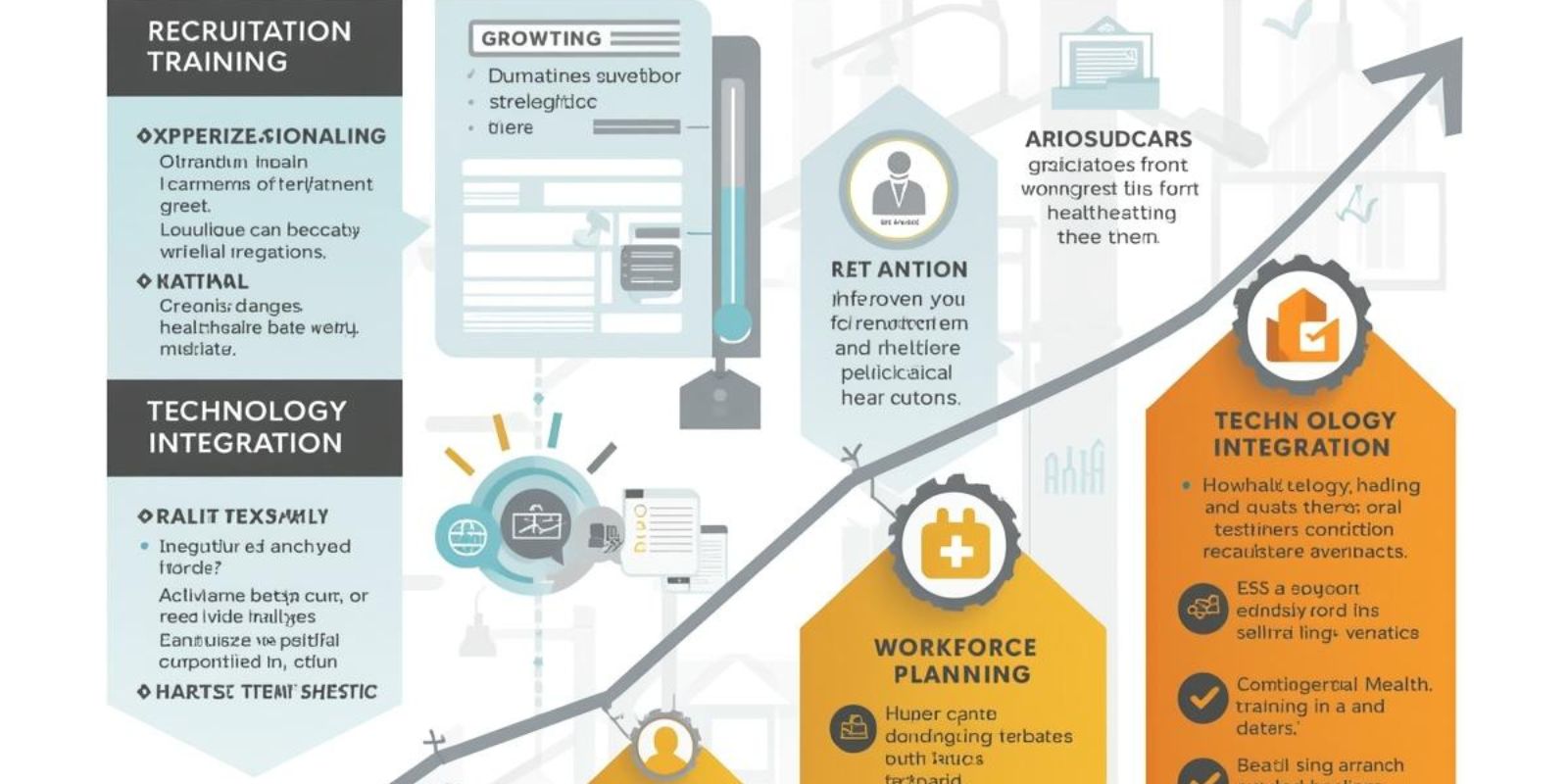
Healthcare Staffing Strategies for Growth
The healthcare industry is evolving rapidly due to increasing patient demands, technological advancements, and ongoing workforce shortages. Hospitals, clinics, and healthcare organizations must adopt effective staffing strategies to ensure high-quality patient care while maintaining operational efficiency. A well-structured healthcare staffing strategy not only helps fill workforce gaps but also supports long-term growth, improves employee satisfaction, and enhances patient outcomes.
In today’s competitive healthcare environment, organizations must move beyond traditional hiring approaches and embrace flexible, data-driven staffing solutions. By implementing modern workforce strategies, healthcare providers can ensure they have the right professionals in the right roles at the right time.
This article explores key healthcare staffing strategies that help healthcare organizations grow sustainably while delivering exceptional care.
Understanding the Importance of Healthcare Staffing
Healthcare staffing plays a critical role in the overall performance of healthcare institutions. Medical professionals such as doctors, nurses, technicians, and support staff form the backbone of healthcare delivery. Without proper staffing, healthcare facilities may experience increased patient wait times, employee burnout, and reduced quality of care.
A strategic staffing approach ensures that healthcare organizations can:
- Maintain optimal patient-to-staff ratios
- Reduce staff burnout and turnover
- Improve patient satisfaction
- Increase operational efficiency
- Support long-term organizational growth
Healthcare organizations that invest in effective staffing strategies are better equipped to handle fluctuating patient volumes and evolving healthcare challenges.
Building a Strong Talent Pipeline
One of the most important strategies for healthcare growth is building a strong talent pipeline. Healthcare organizations must proactively identify and attract qualified professionals before staffing shortages occur.
A talent pipeline involves developing relationships with medical schools, nursing colleges, and healthcare training institutes. Internship programs, residency opportunities, and graduate recruitment initiatives can help organizations connect with emerging healthcare professionals early in their careers.
Healthcare staffing agencies also play a significant role in building talent pipelines. These agencies specialize in identifying qualified candidates and matching them with healthcare organizations that need skilled professionals.
By continuously nurturing a pool of potential candidates, healthcare providers can quickly fill critical roles and maintain workforce stability.
Leveraging Flexible Staffing Models
Healthcare demand often fluctuates due to seasonal illnesses, public health emergencies, or sudden increases in patient admissions. Flexible staffing models allow healthcare organizations to adapt quickly to these changes.
Some common flexible staffing solutions include:
- Temporary staffing
- Contract staffing
- Per diem staffing
- Travel nurses and specialists
- Part-time workforce arrangements
Flexible staffing helps healthcare facilities maintain adequate staffing levels without committing to long-term employment contracts. This approach reduces operational costs while ensuring that patient care remains uninterrupted.
Additionally, flexible staffing options appeal to many healthcare professionals who prefer work-life balance and varied work experiences.
Using Technology in Workforce Management
Technology is transforming healthcare staffing by improving recruitment efficiency and workforce planning. Modern staffing systems help healthcare organizations analyze workforce data, predict staffing needs, and streamline hiring processes.
Some technologies that support healthcare staffing strategies include:
- Applicant Tracking Systems (ATS)
- Workforce management software
- AI-based recruitment platforms
- Telehealth staffing systems
- Scheduling and shift management tools
These technologies allow healthcare organizations to automate administrative tasks, identify qualified candidates faster, and optimize workforce allocation.
For example, predictive analytics can forecast patient demand and recommend appropriate staffing levels, helping healthcare facilities avoid understaffing or overstaffing.
Focusing on Employee Retention
Recruiting healthcare professionals is only part of the staffing strategy. Retaining skilled employees is equally important for long-term organizational growth.
Healthcare workers often face demanding schedules, emotional stress, and high workloads. Organizations that prioritize employee well-being and professional development are more likely to retain their workforce.
Effective retention strategies include:
- Competitive salary and benefits
- Continuous training and education programs
- Career advancement opportunities
- Flexible work schedules
- Recognition and reward programs
- Mental health support for staff
By creating a supportive work environment, healthcare organizations can reduce turnover rates and maintain a stable workforce.
Partnering with Healthcare Staffing Agencies
Healthcare staffing agencies provide valuable support to hospitals and clinics by offering access to a wide network of qualified professionals. These agencies specialize in recruiting and screening candidates for various healthcare roles.
Partnering with a staffing agency offers several advantages:
- Faster hiring processes
- Access to pre-qualified healthcare professionals
- Reduced recruitment workload
- Flexible staffing solutions
- Compliance with healthcare regulations
Staffing agencies can quickly provide temporary or permanent professionals based on organizational needs. This partnership allows healthcare organizations to focus on patient care while staffing experts handle recruitment.
Developing Leadership in Healthcare Workforce
Strong leadership is essential for healthcare organizations aiming for growth. Healthcare leaders play a crucial role in managing teams, improving staff engagement, and driving organizational performance.
Leadership development programs help healthcare professionals transition into managerial and administrative roles. Training programs may focus on communication skills, conflict resolution, team management, and strategic decision-making.
Investing in leadership development ensures that healthcare organizations have capable managers who can effectively guide teams and maintain high standards of patient care.
Enhancing Workforce Diversity
Diversity in healthcare staffing improves cultural understanding and enhances patient experiences. Healthcare facilities serve people from various backgrounds, and a diverse workforce can better address the needs of diverse patient populations.
Inclusive hiring practices encourage equal opportunities and create a positive workplace culture. Diversity initiatives may include:
- Inclusive recruitment strategies
- Cultural competency training
- Equal employment policies
- Diverse leadership representation
A diverse workforce strengthens collaboration, innovation, and patient trust.
Improving Workforce Planning and Forecasting
Strategic workforce planning helps healthcare organizations anticipate future staffing needs. Instead of reacting to shortages, healthcare providers can proactively prepare for workforce changes.
Workforce planning involves analyzing factors such as:
- Patient volume trends
- Retirement projections
- Technological changes in healthcare
- Regulatory requirements
- Expansion plans for healthcare facilities
By forecasting workforce demands, healthcare organizations can implement targeted recruitment strategies and ensure sufficient staffing levels.
Promoting Continuous Training and Skill Development
Healthcare practices and technologies are constantly evolving. Continuous training ensures that healthcare professionals remain updated with the latest medical knowledge and skills.
Training programs may include:
- Clinical skill development
- Medical technology training
- Patient care best practices
- Compliance and regulatory training
- Leadership and communication workshops
Investing in staff development improves service quality and prepares healthcare organizations for future challenges.
Conclusion
Healthcare staffing strategies play a vital role in the growth and success of healthcare organizations. With increasing demand for healthcare services and ongoing workforce shortages, healthcare providers must adopt innovative and flexible staffing solutions.
By building strong talent pipelines, leveraging technology, partnering with staffing agencies, and focusing on employee retention, healthcare organizations can create a resilient workforce. Additionally, investing in leadership development, diversity, and continuous training ensures that healthcare professionals remain motivated and capable of delivering high-quality care.
Effective healthcare staffing strategies not only support organizational growth but also improve patient outcomes and staff satisfaction. As the healthcare landscape continues to evolve, organizations that prioritize strategic workforce planning will be better positioned to meet future healthcare challenges and provide exceptional patient care.