
How Regular Blood Testing Helps You Stay Ahead of Health Risks
In today’s fast-paced lifestyle, we often prioritize work deadlines, financial goals, and personal commitments over health. While we may occasionally visit a doctor when something feels wrong, the truth is that many health issues remain hidden until it’s too late. This is where regular blood testing steps in—offering a proactive way to monitor your health, detect risks early, and prevent long-term complications.
Blood is like a mirror that reflects your body’s internal condition. From the oxygen your red blood cells carry to the cholesterol circulating in your arteries, a simple blood test can reveal vital insights about your well-being. Unfortunately, most people associate blood tests with illness, when in reality, they should be seen as a preventive tool.
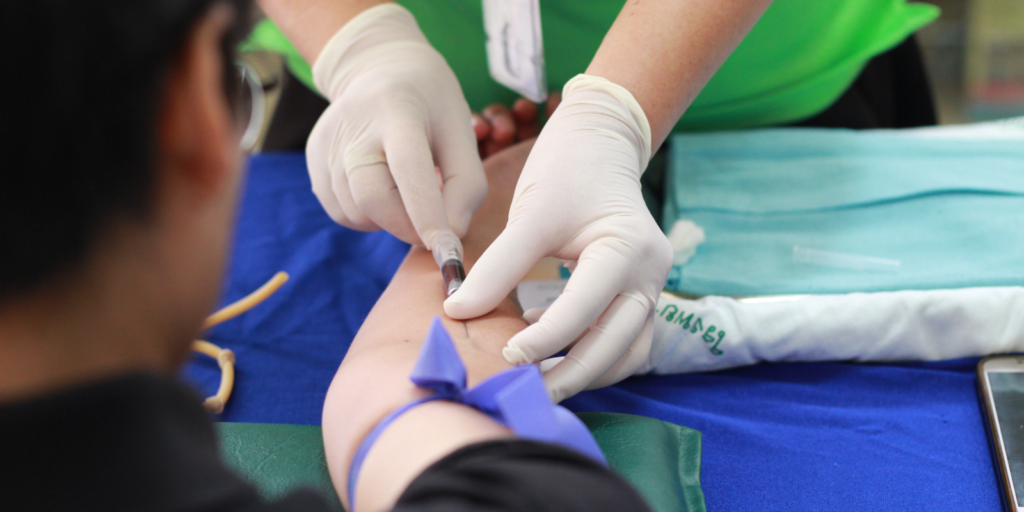
Why Prevention Is Better Than Cure
Healthcare is shifting from a reactive approach (treating diseases) to a proactive approach (preventing them). Blood testing lies at the core of this change.
- Silent diseases: Conditions like high cholesterol, diabetes, liver disorders, and kidney problems often have no early symptoms.
- Early detection = better outcomes: When detected early, most diseases are easier and less costly to treat.
- Lifestyle impact: With increasing stress, poor diets, and sedentary habits, more people are vulnerable to chronic diseases at a younger age.
Simply put, regular blood tests help you catch problems early, manage them effectively, and prevent complications.
Key Benefits of Regular Blood Testing
- Uncover Hidden Health Issues
Some conditions remain invisible until advanced stages. For example, high blood pressure rarely shows symptoms but can silently damage your heart and kidneys. - Track Your Vital Organs
Blood tests give insights into the functioning of the liver, kidneys, thyroid, and heart—organs critical for long-term health. - Prevent Lifestyle Diseases
With obesity, smoking, and unhealthy eating becoming common, routine tests help keep track of diabetes, cholesterol, and cardiovascular risks. - Monitor Treatment Progress
If you are already on medication, tests confirm whether your treatment is working or needs adjustment. - Guide Nutrition & Fitness
Vitamin D, Vitamin B12, calcium, and iron deficiencies are common today. Blood tests help identify these gaps and tailor diets or supplements.
Major Health Risks That Regular Blood Tests Can Detect
1. Diabetes and Prediabetes
- Test: Fasting Glucose, HbA1c
- Why it matters: High blood sugar damages nerves, kidneys, and eyes if uncontrolled.
- Benefit: Detecting prediabetes allows lifestyle changes before it becomes full-blown diabetes.
2. Heart Disease and Stroke Risks
- Test: Lipid Profile
- Why it matters: High LDL (bad cholesterol) clogs arteries, increasing heart attack risk.
- Benefit: Managing cholesterol early prevents cardiovascular complications.
3. Liver Disorders
- Test: Liver Function Test (LFT)
- Why it matters: Fatty liver and hepatitis often develop silently.
- Benefit: Early detection helps reverse damage before it becomes cirrhosis.
4. Kidney Health
- Test: Kidney Function Test (Creatinine, Urea, Electrolytes)
- Why it matters: Kidneys filter waste, and damage is often irreversible if caught late.
- Benefit: Regular checks help detect dysfunction early.
5. Thyroid Imbalances
- Test: TSH, T3, T4
- Why it matters: Thyroid problems affect energy, mood, weight, and fertility.
- Benefit: Easy to manage with timely treatment.
6. Blood Disorders & Anemia
- Test: Complete Blood Count (CBC)
- Why it matters: Low hemoglobin or abnormal white blood cells indicate anemia, infection, or even cancers.
- Benefit: Regular testing ensures early action.
7. Vitamin & Mineral Deficiencies
- Test: Vitamin D, Vitamin B12, Calcium, Iron Studies
- Why it matters: Deficiencies cause fatigue, weak bones, and low immunity.
- Benefit: Supplementing correctly restores health and prevents chronic problems.
8. Infections & Immune Health
- Test: CRP, ESR, specific infection tests (HIV, Hepatitis, Dengue, etc.)
- Why it matters: Early detection ensures faster recovery and prevents spread.
- Benefit: Strengthens overall immune defense.
How Often Should You Get Blood Tests?
The frequency depends on age, lifestyle, and medical history:
- Ages 20–30: Basic check-up once every 1–2 years.
- Ages 30–40: Annual testing for sugar, cholesterol, liver, and kidney health.
- Ages 40–50: Bi-annual check-ups, including thyroid and vitamin levels.
- 50+ years: Every 3–6 months if you have chronic conditions like diabetes, hypertension, or heart disease.
- High-risk groups (smokers, obese, family history): More frequent monitoring, as advised by doctors.
Routine vs. Advanced Testing
- Routine Tests: CBC, Lipid Profile, Blood Sugar, LFT, KFT, Thyroid.
- Advanced Tests: Cancer markers, genetic screening, hormone panels, autoimmune profiles.
Both are important—routine tests provide a health baseline, while advanced tests dive deeper when needed.
The Role of Blood Testing in Preventive Healthcare
Preventive healthcare means stopping problems before they begin. Blood tests are the foundation of this approach.
- For young professionals: Detect stress-related imbalances, vitamin deficiencies.
- For women: Identify hormonal issues, thyroid imbalances, and anemia.
- For seniors: Track age-related risks like heart disease, osteoporosis, and kidney decline.
- For children: Detect nutritional deficiencies and infections early.
Choosing the Right Lab
Accuracy is everything. When selecting a blood testing lab, ensure it provides:
- Accreditation (NABL/ISO certified) for reliable results.
- Modern equipment for error-free analysis.
- Qualified staff for safe sample handling.
- Home collection services for convenience.
- Quick reporting with digital access.
Myths About Blood Testing
- “I feel healthy, so I don’t need tests.”
Wrong—many diseases have no early symptoms. - “Blood tests are only for old people.”
False—even young adults can develop lifestyle diseases. - “Blood tests are expensive.”
In reality, preventive tests save money by avoiding costly treatments later.
Real-Life Scenarios
- A corporate employee discovered prediabetes at 32 during a routine test. With diet and exercise, he reversed it within six months.
- A young woman with hair loss found her Vitamin D and B12 levels were dangerously low. Supplements restored her health.
- An elderly patient’s regular kidney function test revealed early damage, allowing doctors to prevent further decline.
These stories highlight how simple tests can change lives.
The Future of Blood Testing
Medical technology is making testing faster, smarter, and more personalized:
- AI-powered diagnostics: More accurate interpretation of results.
- Point-of-care devices: Home-based kits for immediate results.
- Predictive healthcare: Using data trends to predict risks before they develop.
In the near future, regular blood testing may become as routine as tracking your steps or heart rate on a smartwatch.
Conclusion
Your health is your greatest investment—and regular blood testing is one of the smartest ways to protect it.
By helping you detect diseases early, monitor organ health, track nutrition, and guide treatments, blood tests empower you to stay ahead of risks.
Think of them not as medical formalities, but as lifesaving check-ins with your body. A small needle prick today could prevent major health complications tomorrow.
So, instead of waiting for symptoms, make blood testing a regular part of your healthcare routine. Prevention is not just better than cure—it’s the only way to ensure a longer, healthier, and happier life.