
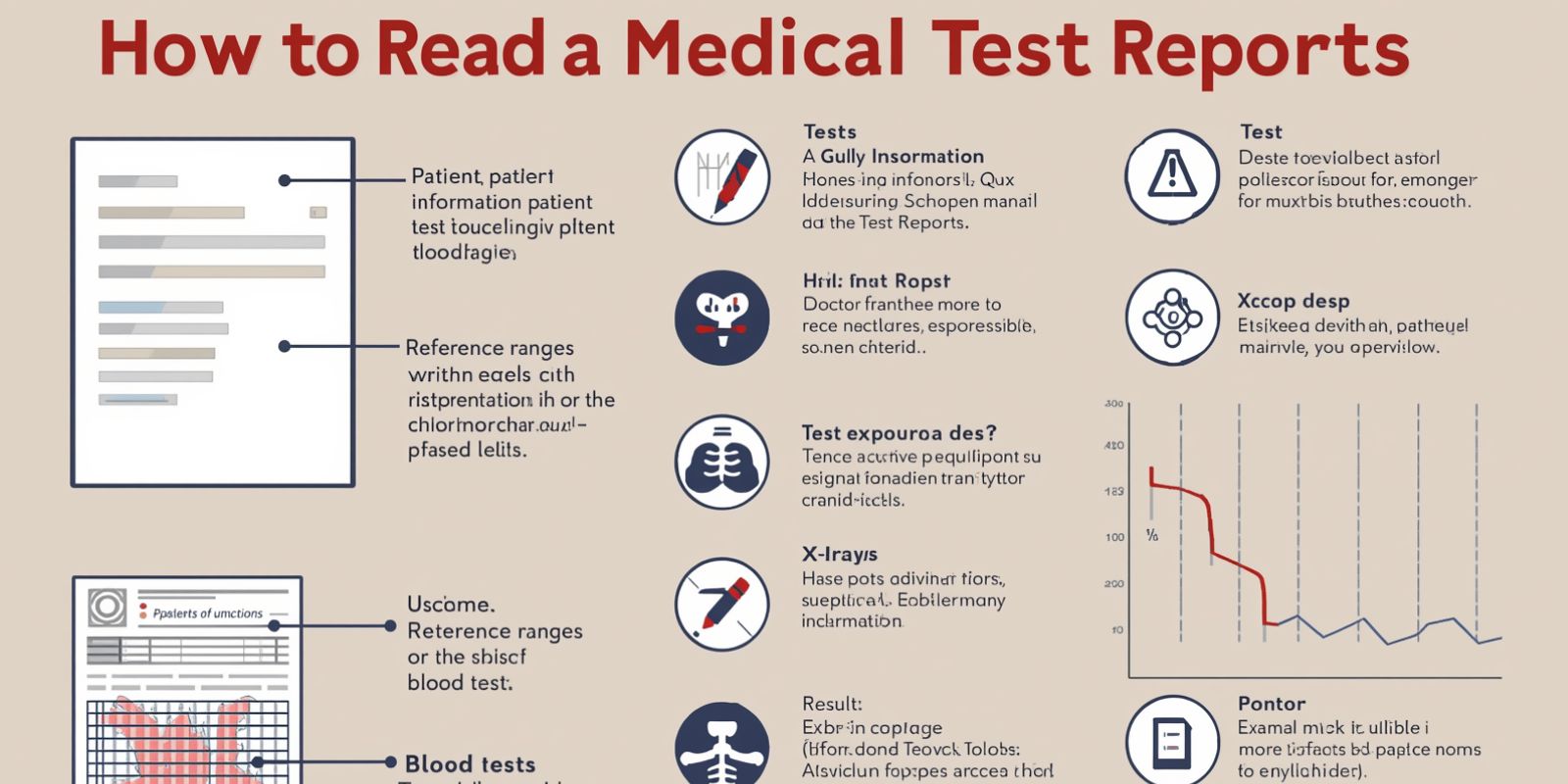
How To Read Medical Test Reports
Understanding medical test reports can feel overwhelming, especially when you’re faced with unfamiliar terms, numbers, and abbreviations. However, learning how to read these reports is an essential step toward taking control of your health. Whether it’s a routine blood test, urine analysis, or specialized diagnostic screening, knowing what your results mean can help you make informed decisions and communicate effectively with your doctor.
In this comprehensive guide, we’ll break down how to read medical test reports in a simple and practical way.
1. Understanding the Basics of a Medical Report
A medical test report typically includes several key sections:
- Patient Information: Name, age, gender, and identification number.
- Test Details: Type of test conducted and date.
- Results: Measured values of different parameters.
- Reference Range: The normal range for each parameter.
- Units: Measurement units (e.g., mg/dL, mmol/L).
- Remarks/Comments: Doctor or lab observations.
Before diving into the numbers, ensure that your personal details and test type are correct.
2. What Are Reference Ranges?
Reference ranges indicate the normal values for a healthy individual. These ranges can vary based on:
- Age
- Gender
- Laboratory standards
- Testing methods
For example, a normal hemoglobin level may differ for men and women. If your result falls outside the reference range, it doesn’t always mean something is wrong—it simply signals the need for further evaluation.
3. Key Components of Common Medical Tests
a. Complete Blood Count (CBC)
A CBC test measures different components of your blood:
- Hemoglobin (Hb): Carries oxygen in the blood.
- White Blood Cells (WBC): Indicates immune response.
- Red Blood Cells (RBC): Helps transport oxygen.
- Platelets: Essential for blood clotting.
How to read it:
Low hemoglobin may indicate anemia, while high WBC could suggest infection or inflammation.
b. Blood Sugar Tests
Includes:
- Fasting Blood Sugar (FBS)
- Postprandial Blood Sugar (PPBS)
- HbA1c (Average blood sugar over 2–3 months)
How to read it:
Higher-than-normal values may indicate prediabetes or diabetes.
c. Lipid Profile
Measures cholesterol levels:
- Total Cholesterol
- LDL (Bad cholesterol)
- HDL (Good cholesterol)
- Triglycerides
How to read it:
High LDL and triglycerides increase the risk of heart disease, while higher HDL is beneficial.
d. Liver Function Test (LFT)
Checks liver health:
- ALT & AST: Liver enzymes
- Bilirubin: Indicates liver or bile duct issues
- Albumin: Protein produced by the liver
How to read it:
Elevated enzymes may signal liver inflammation or damage.
e. Kidney Function Test (KFT)
Includes:
- Creatinine
- Blood Urea Nitrogen (BUN)
- Uric Acid
How to read it:
High creatinine levels may indicate reduced kidney function.
4. Units Matter: Don’t Ignore Them
Medical values are always accompanied by units like mg/dL, g/dL, or mmol/L. A number without understanding its unit can be misleading.
For example:
- Glucose: 90 mg/dL (normal)
- Glucose: 90 mmol/L (dangerously high if misinterpreted)
Always read the value along with its unit.
5. Flags and Indicators
Many lab reports use symbols or markers such as:
- H (High)
- L (Low)
- A (Abnormal)
These flags highlight values outside the normal range. However, they should not be interpreted as a diagnosis—just an alert.
6. Trends Are More Important Than One-Time Results
A single abnormal reading may not indicate a serious problem. Doctors often look for trends over time.
For example:
- A slightly high cholesterol level once may not be concerning.
- Consistently rising levels over multiple tests may need attention.
Keeping track of previous reports helps identify patterns.
7. Factors That Can Affect Test Results
Test results can be influenced by several factors:
- Recent meals (fasting vs non-fasting)
- Medications
- Stress
- Physical activity
- Hydration levels
Always follow pre-test instructions carefully to ensure accurate results.
8. Common Medical Abbreviations You Should Know
Here are a few commonly used abbreviations:
- Hb: Hemoglobin
- WBC: White Blood Cells
- RBC: Red Blood Cells
- BP: Blood Pressure
- FBS: Fasting Blood Sugar
- PPBS: Postprandial Blood Sugar
- LFT: Liver Function Test
- KFT: Kidney Function Test
Understanding these terms makes reading reports easier and less intimidating.
9. When to Be Concerned
You should consult a doctor if:
- Multiple values are outside normal ranges
- You have symptoms along with abnormal results
- There is a sudden change from previous reports
- Values are significantly higher or lower than normal
Avoid self-diagnosing based on reports alone. Always seek professional advice.
10. Tips for Interpreting Your Medical Reports
- Compare with reference range: Always check if your values fall within the normal range.
- Look at the bigger picture: One abnormal value doesn’t define your health.
- Understand context: Results must be interpreted alongside symptoms and medical history.
- Keep records: Maintain a file of your past reports for comparison.
- Ask questions: Don’t hesitate to ask your doctor for clarification.
11. Importance of Doctor Consultation
Even if you understand your report, a doctor’s interpretation is crucial. Healthcare professionals consider:
- Your medical history
- Current symptoms
- Lifestyle factors
- Family history
They can provide accurate diagnosis and treatment recommendations.
12. Digital Reports and Health Apps
Today, many labs provide digital reports through apps and websites. These often include:
- Graphical representations
- Historical comparisons
- Highlighted abnormal values
Using these tools can make understanding reports easier and more interactive.
Conclusion
Learning how to read medical test reports empowers you to take an active role in your healthcare journey. While the numbers and medical terms may seem complex at first, breaking them down into simple components makes them easier to understand. Always remember that these reports are just one part of the bigger health picture.
Use your reports as a guide, not a final diagnosis. Combine your understanding with professional medical advice to make informed decisions about your well-being. With time and practice, reading medical reports will become less intimidating and more insightful.