
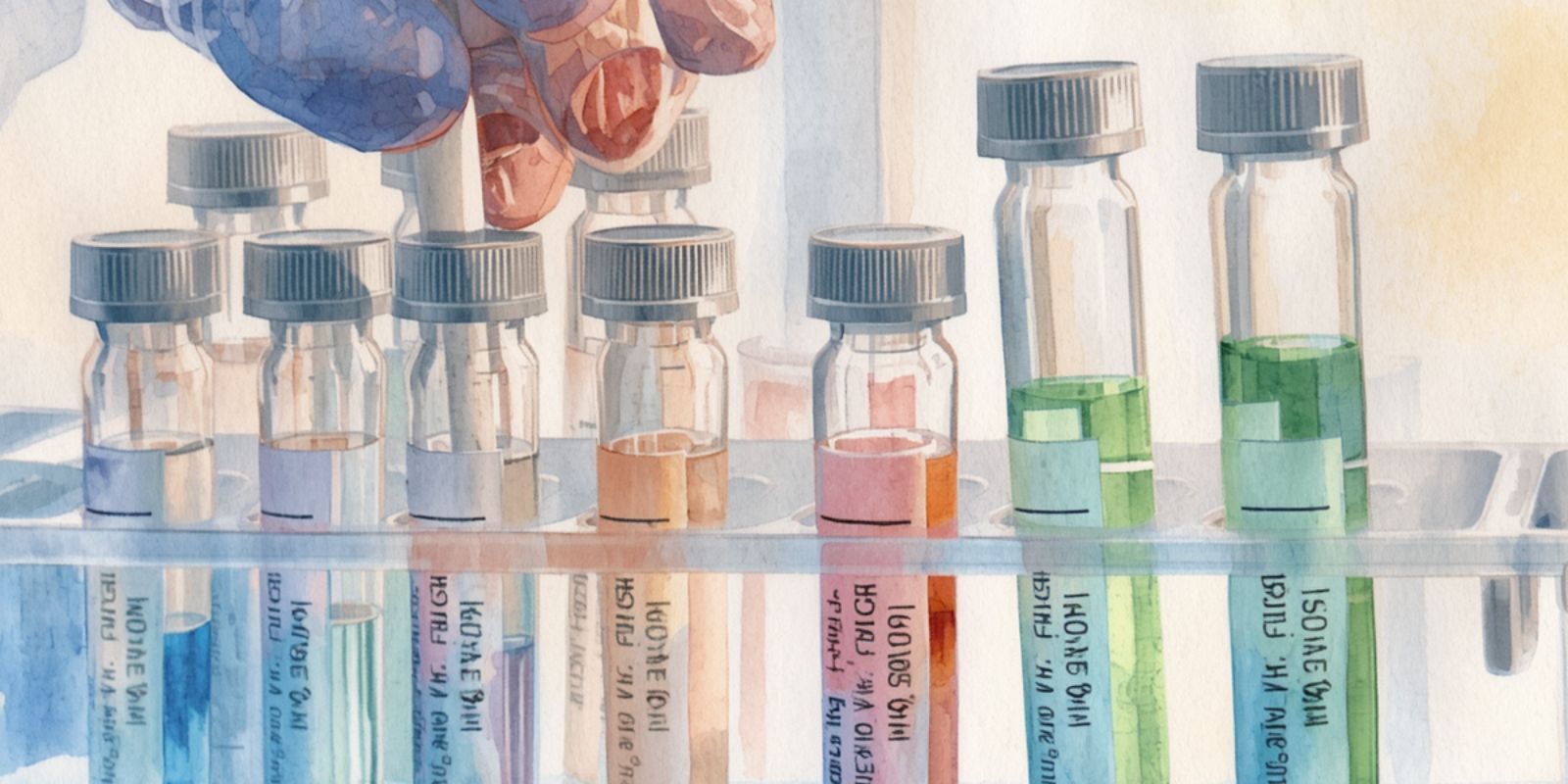
Laboratory Testing Supports Early Disease Detection
Introduction
In modern healthcare, early disease detection plays a critical role in improving patient outcomes, reducing treatment costs, and enhancing quality of life. One of the most effective tools for identifying diseases at an early stage is laboratory testing. From routine blood tests to advanced molecular diagnostics, laboratory testing provides vital insights that help healthcare providers detect abnormalities before symptoms even appear.
Early diagnosis is particularly important in managing chronic illnesses, infectious diseases, and life-threatening conditions such as cancer and cardiovascular disorders. With advancements in medical technology, laboratory testing has become more precise, accessible, and essential in preventive healthcare strategies.
The Importance of Early Disease Detection
Early detection means identifying a disease in its initial stages, often before noticeable symptoms develop. This approach offers several benefits:
- Improved Treatment Outcomes: Diseases detected early are often easier to treat.
- Reduced Healthcare Costs: Early intervention can prevent expensive treatments later.
- Better Quality of Life: Patients can manage conditions effectively and avoid complications.
- Lower Mortality Rates: Early diagnosis significantly increases survival rates for serious diseases.
Laboratory testing serves as the foundation for achieving these outcomes by providing accurate and timely health information.
Types of Laboratory Tests Used for Early Detection
Laboratory testing encompasses a wide range of diagnostic procedures. Some of the most commonly used tests include:
1. Blood Tests
Blood tests are among the most widely used diagnostic tools. They help detect:
- Diabetes (through glucose levels)
- Cholesterol abnormalities
- Liver and kidney function issues
- Infections and inflammation
Routine blood work such as Complete Blood Count (CBC) and lipid profiles can reveal early signs of disease.
2. Urine Tests
Urinalysis helps detect:
- Kidney disease
- Urinary tract infections
- Diabetes (through glucose in urine)
3. Imaging-Linked Lab Tests
While imaging itself is not a lab test, many lab results complement imaging findings. For example:
- Tumor markers support cancer diagnosis alongside imaging studies
- Blood tests can indicate organ damage that imaging confirms
4. Genetic Testing
Genetic testing identifies inherited conditions and predispositions, such as:
- Certain cancers (e.g., BRCA mutations)
- Cardiovascular risks
- Rare genetic disorders
This allows individuals to take preventive measures early.
5. Molecular Diagnostics
Advanced tests detect diseases at a cellular or molecular level, including:
- Viral infections (like COVID-19 through PCR testing)
- Early-stage cancers
- Autoimmune disorders
Role of Laboratory Testing in Detecting Major Diseases
1. Cancer Detection
Laboratory testing plays a key role in identifying cancer early through:
- Tumor markers (e.g., PSA for prostate cancer)
- Blood tests indicating abnormal cell counts
- Screening tests like Pap smears
Early detection significantly improves survival rates.
2. Diabetes Management
Blood glucose testing helps detect prediabetes and diabetes early. Regular screening ensures timely lifestyle changes and treatment.
3. Cardiovascular Diseases
Cholesterol tests, lipid profiles, and inflammatory markers help assess heart disease risk before symptoms arise.
4. Infectious Diseases
Laboratory tests identify infections quickly, allowing prompt treatment and preventing spread. Examples include:
- Blood cultures
- PCR tests
- Antibody tests
5. Kidney and Liver Disorders
Routine tests such as creatinine and liver enzyme levels can detect organ dysfunction early.
Preventive Health Checkups and Screening
Preventive health checkups rely heavily on laboratory testing. Regular screenings are recommended based on age, gender, and risk factors. These may include:
- Annual blood tests
- Cancer screenings
- Hormonal assessments
- Vitamin deficiency tests
Early detection through these screenings helps in managing potential health risks before they escalate.
Technological Advancements in Laboratory Testing
Modern laboratory testing has evolved significantly, improving accuracy and efficiency. Key advancements include:
- Automation: Reduces human error and speeds up results
- Point-of-Care Testing: Enables rapid testing at the patient’s location
- AI Integration: Enhances data analysis and diagnostic accuracy
- Digital Reporting: Provides quick and easy access to results
These innovations make early disease detection more reliable and accessible.
Challenges in Early Detection
Despite its benefits, laboratory testing faces certain challenges:
- Limited Awareness: Many individuals skip routine testing
- Accessibility Issues: Rural areas may lack advanced lab facilities
- Cost Concerns: Some advanced tests can be expensive
- False Positives/Negatives: May lead to unnecessary stress or missed diagnoses
Addressing these challenges requires better healthcare policies, awareness programs, and improved access to diagnostic services.
The Role of Healthcare Providers
Healthcare professionals play a vital role in promoting early disease detection by:
- Recommending appropriate tests
- Interpreting lab results accurately
- Educating patients about preventive care
- Monitoring ongoing health conditions
Their expertise ensures that laboratory testing is used effectively in clinical decision-making.
Patient Responsibility in Early Detection
Patients also have a role to play in maintaining their health:
- Undergoing regular health checkups
- Following medical advice
- Maintaining a healthy lifestyle
- Keeping track of medical history and test results
Active participation in health management leads to better outcomes.
Conclusion
Laboratory testing is a cornerstone of modern healthcare, enabling early detection of diseases and significantly improving patient outcomes. By identifying health issues before symptoms arise, laboratory tests empower both healthcare providers and patients to take proactive measures.
As technology continues to advance, laboratory diagnostics will become even more precise and accessible, further strengthening preventive healthcare systems. Encouraging regular testing and increasing awareness can lead to healthier populations and reduced disease burden.