
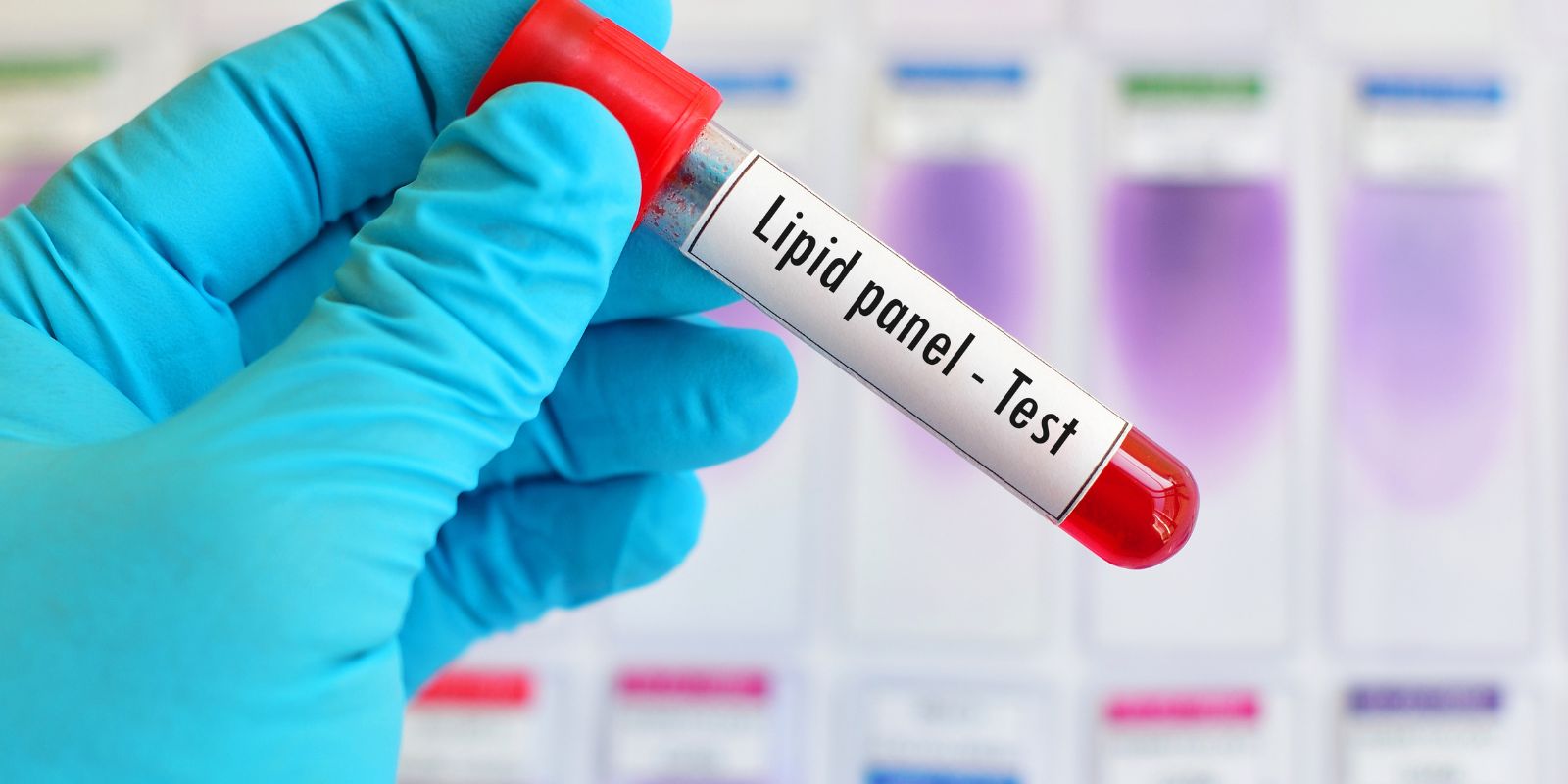
Lipid Profile Test For Heart Health
Introduction
Heart health is one of the most important aspects of overall well-being, especially in today’s fast-paced lifestyle where stress, poor diet, and lack of exercise are common. One of the most essential diagnostic tools for assessing cardiovascular risk is the lipid profile test. This simple blood test provides valuable insights into your cholesterol levels and helps detect potential risks for conditions like Heart Disease, Stroke, and Atherosclerosis.
Understanding your lipid profile is crucial not only for people with existing health issues but also for individuals who want to maintain long-term heart health. In this article, we’ll explore what a lipid profile test is, why it matters, how it works, and how you can manage your cholesterol levels effectively.
What Is a Lipid Profile Test?


6
A lipid profile test (also known as a lipid panel) is a blood test that measures different types of fats (lipids) in your bloodstream. These fats are essential for normal body function, but abnormal levels can increase your risk of heart-related diseases.
The test typically measures the following components:
- Total Cholesterol – Overall amount of cholesterol in your blood
- Low-Density Lipoprotein (LDL) – Often called “bad cholesterol”
- High-Density Lipoprotein (HDL) – Known as “good cholesterol”
- Triglycerides – A type of fat stored in the body
- Very Low-Density Lipoprotein (VLDL) – Another type of harmful lipid
Each of these components plays a unique role in your body, and maintaining a healthy balance is key to cardiovascular wellness.
Why Is the Lipid Profile Test Important?


7
The lipid profile test is vital because it helps identify early warning signs of serious health conditions. High cholesterol often has no symptoms, making it a silent risk factor.
Key reasons why this test matters:
- Early Detection of Heart Risks
Elevated LDL or triglycerides can lead to plaque buildup in arteries, increasing the risk of Coronary Artery Disease. - Prevention of Serious Complications
Monitoring lipid levels helps prevent life-threatening events like heart attacks and strokes. - Guiding Treatment Plans
Doctors use lipid profile results to recommend lifestyle changes or medications such as Statins. - Monitoring Existing Conditions
People with Diabetes or hypertension benefit greatly from regular lipid testing.
Understanding Cholesterol Types
1. LDL (Low-Density Lipoprotein)
LDL is often referred to as “bad cholesterol” because it contributes to plaque buildup in arteries. High LDL levels can narrow arteries and restrict blood flow.
2. HDL (High-Density Lipoprotein)
HDL is known as “good cholesterol.” It helps remove excess cholesterol from the bloodstream and transports it to the liver for elimination.
3. Triglycerides
Triglycerides store unused calories and provide energy. However, high levels are linked to increased cardiovascular risk.
4. Total Cholesterol
This includes all cholesterol types combined. A balanced ratio between LDL and HDL is more important than total cholesterol alone.
Ideal Lipid Profile Levels
While exact values may vary slightly depending on guidelines, here are general recommendations:
- Total Cholesterol: Less than 200 mg/dL
- LDL Cholesterol: Less than 100 mg/dL
- HDL Cholesterol: Above 40 mg/dL (men), 50 mg/dL (women)
- Triglycerides: Less than 150 mg/dL
Maintaining these levels reduces the risk of developing cardiovascular diseases.
Who Should Get a Lipid Profile Test?


6
You should consider getting a lipid profile test if you:
- Are over 20 years of age (routine screening)
- Have a family history of heart disease
- Are overweight or obese
- Have a sedentary lifestyle
- Smoke or consume alcohol frequently
- Have conditions like Hypertension or diabetes
Regular testing is especially important for individuals at higher risk.
How Is the Test Performed?
The lipid profile test is simple and quick:
- Fasting Requirement
You may be asked to fast for 9–12 hours before the test. - Blood Sample Collection
A small sample of blood is drawn from your arm. - Laboratory Analysis
The sample is analyzed to measure lipid levels. - Results Interpretation
Your doctor explains the results and suggests next steps.
The procedure is safe and usually completed within minutes.
Factors That Affect Lipid Levels
Several lifestyle and genetic factors influence your lipid profile:
- Diet – High intake of saturated fats increases LDL
- Physical Activity – Exercise raises HDL levels
- Genetics – Family history plays a significant role
- Smoking – Lowers HDL and damages blood vessels
- Alcohol Consumption – Can increase triglycerides
Understanding these factors helps you make better lifestyle choices.
Tips to Maintain Healthy Cholesterol Levels


6
1. Eat a Heart-Healthy Diet
Include fruits, vegetables, whole grains, and healthy fats like nuts and olive oil.
2. Exercise Regularly
Aim for at least 30 minutes of moderate activity most days of the week.
3. Avoid Smoking
Quitting smoking improves HDL levels and overall heart health.
4. Maintain a Healthy Weight
Weight management plays a key role in controlling cholesterol.
5. Limit Alcohol Intake
Excess alcohol can raise triglyceride levels.
When Are Medications Needed?
In some cases, lifestyle changes alone may not be enough. Doctors may prescribe medications such as Atorvastatin or Rosuvastatin to help control cholesterol levels.
Medication is usually recommended if:
- LDL levels are very high
- There is a history of heart disease
- Lifestyle changes have not been effective
Always follow your doctor’s advice regarding medication.
Risks of Ignoring Lipid Profile Results
Ignoring abnormal lipid levels can lead to serious complications, including:
- Heart attack
- Stroke
- Peripheral artery disease
- Chronic cardiovascular conditions
Since high cholesterol often shows no symptoms, regular testing is the only way to stay informed and proactive.
Conclusion
A lipid profile test is a powerful tool for protecting your heart health. By understanding your cholesterol levels, you can take early action to prevent serious diseases and improve your overall quality of life. Regular screening, combined with a healthy lifestyle, can significantly reduce your risk of cardiovascular problems.
Whether you are young or old, healthy or at risk, monitoring your lipid profile is a smart and necessary step toward a healthier future. Make it a priority to consult your healthcare provider and schedule regular checkups to keep your heart strong and healthy.