
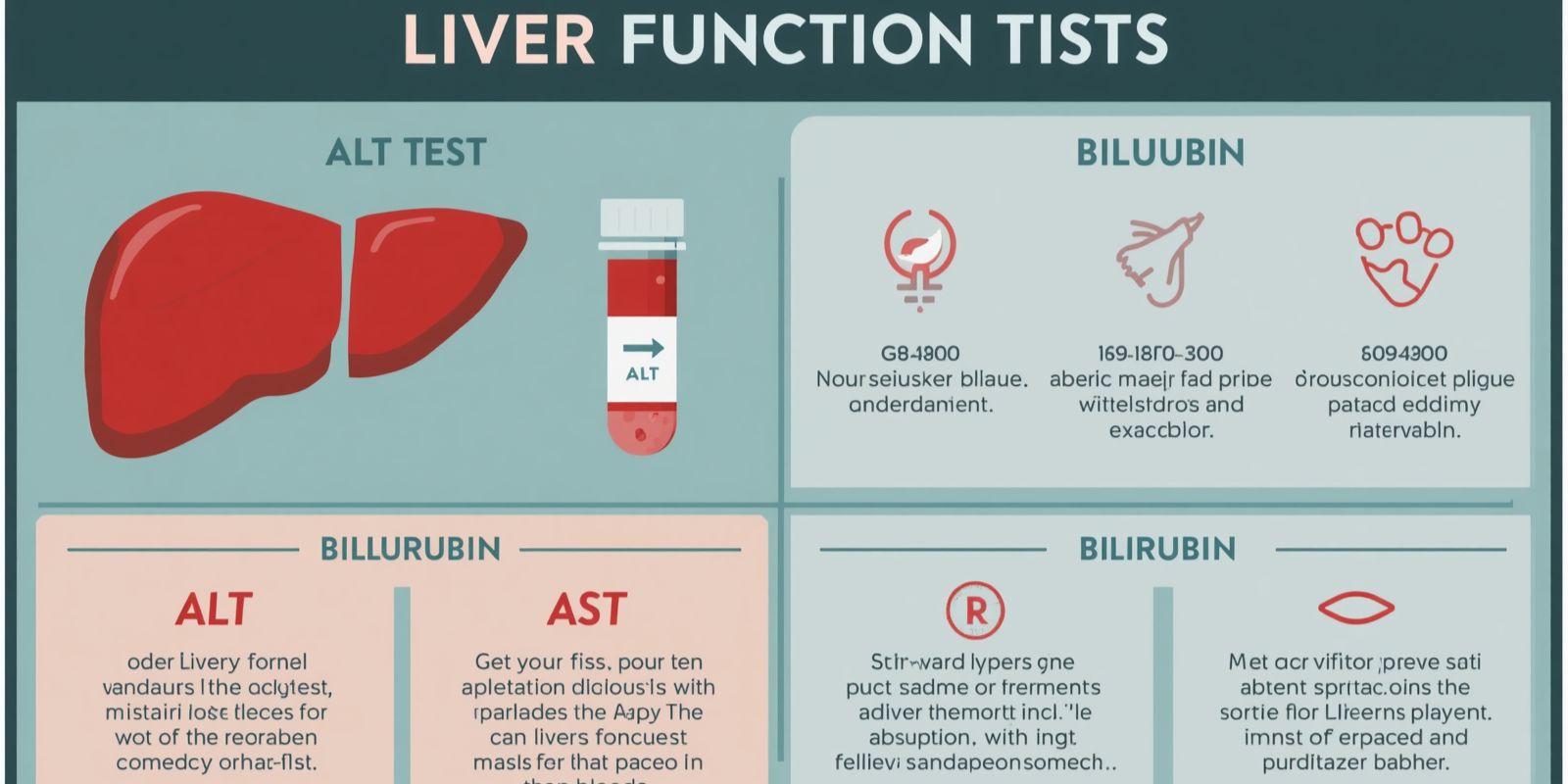
Liver Function Tests Explained Simply
Introduction
Liver Function Tests (LFTs) are a group of blood tests that help assess the health and performance of your liver. The liver is one of the most vital organs in the body, responsible for filtering toxins, aiding digestion, storing nutrients, and producing important proteins. When something goes wrong with the liver, these tests help detect the problem early.
In simple terms, Liver Function Tests measure different enzymes, proteins, and substances in your blood to check how well your liver is working. Whether you’re experiencing symptoms or just going for a routine health check-up, understanding LFTs can help you stay proactive about your health.
What Are Liver Function Tests?
Liver Function Tests are not a single test but a panel of several tests combined. These tests evaluate:
- Liver enzyme levels
- Protein production
- Bilirubin levels (waste product processed by the liver)
Doctors usually recommend LFTs when you have symptoms like fatigue, yellowing of the skin (jaundice), abdominal pain, or unexplained weight loss. They are also commonly used to monitor ongoing liver conditions.
Why Are Liver Function Tests Important?
LFTs are crucial because liver diseases often show no symptoms in early stages. These tests can help:
- Detect liver damage early
- Diagnose infections like hepatitis
- Monitor liver conditions over time
- Evaluate the impact of medications
- Check overall metabolic health
Early detection means better treatment outcomes and prevention of complications.
Key Components of Liver Function Tests


4
Let’s break down the most common components of LFTs in a simple way:
1. Alanine Transaminase (ALT)
ALT is an enzyme found mainly in the liver. High levels usually indicate liver damage or inflammation.
2. Aspartate Transaminase (AST)
AST is found in the liver and other organs like the heart and muscles. Elevated AST may indicate liver damage, but it’s less specific than ALT.
3. Alkaline Phosphatase (ALP)
ALP is related to bile ducts. High levels may suggest blockage or liver disease.
4. Bilirubin
Bilirubin is a yellow substance produced during the breakdown of red blood cells. High levels can cause jaundice and indicate liver dysfunction.
5. Albumin
Albumin is a protein made by the liver. Low levels may suggest liver disease or poor nutrition.
6. Total Protein
This measures the total amount of protein in the blood, including albumin and globulin.
Normal vs Abnormal Results
Understanding your test results can feel confusing, but here’s a simple breakdown:
- Normal Results: Indicate your liver is functioning properly
- Mild Elevation: Could be due to medications, alcohol, or minor infections
- High Levels: May suggest liver diseases such as hepatitis or fatty liver
It’s important to remember that one abnormal result doesn’t always mean serious illness. Doctors consider your symptoms, medical history, and other tests before making a diagnosis.
Common Causes of Abnormal LFT Results
Several factors can affect liver function test results:
- Fatty liver disease (common in sedentary lifestyles)
- Hepatitis infections (viral or autoimmune)
- Excessive alcohol consumption
- Certain medications (like antibiotics or painkillers)
- Obesity and diabetes
- Blocked bile ducts
Lifestyle plays a huge role in liver health, making prevention extremely important.
Symptoms That May Require LFTs
You may need a liver function test if you experience:
- Yellowing of skin or eyes (jaundice)
- Dark urine
- Pale stool
- Persistent fatigue
- Nausea or vomiting
- Swelling in the abdomen
Even if you don’t have symptoms, doctors may recommend LFTs as part of routine health screenings.
How to Prepare for a Liver Function Test
Preparation is simple:
- You may need to fast for 8–12 hours before the test
- Avoid alcohol for at least 24 hours
- Inform your doctor about medications you are taking
The test itself is quick and involves a simple blood sample.
How Often Should You Get LFTs Done?
The frequency depends on your health condition:
- Healthy individuals: Once a year during routine check-ups
- People with liver conditions: As advised by the doctor
- Those on long-term medications: Regular monitoring may be required
Regular testing ensures early detection and better management.
Tips to Keep Your Liver Healthy


6
Taking care of your liver doesn’t have to be complicated. Here are simple tips:
- Eat a balanced diet rich in fruits and vegetables
- Stay hydrated
- Exercise regularly
- Limit alcohol intake
- Avoid unnecessary medications
- Maintain a healthy weight
Small lifestyle changes can significantly improve liver health over time.
When to See a Doctor
If your LFT results are abnormal, don’t panic. Consult a doctor if:
- Results are consistently high
- You have symptoms of liver disease
- You have a history of liver problems
Your doctor may recommend further tests like ultrasound, CT scan, or additional blood tests for accurate diagnosis.
Conclusion
Liver Function Tests are a simple yet powerful way to understand your liver health. They help detect problems early, monitor ongoing conditions, and guide treatment decisions. While abnormal results can be concerning, they often serve as a warning sign to take better care of your health.
By maintaining a healthy lifestyle and getting regular check-ups, you can keep your liver functioning efficiently for years to come. Remember, prevention is always better than cure—and your liver plays a crucial role in keeping your body balanced and healthy.