
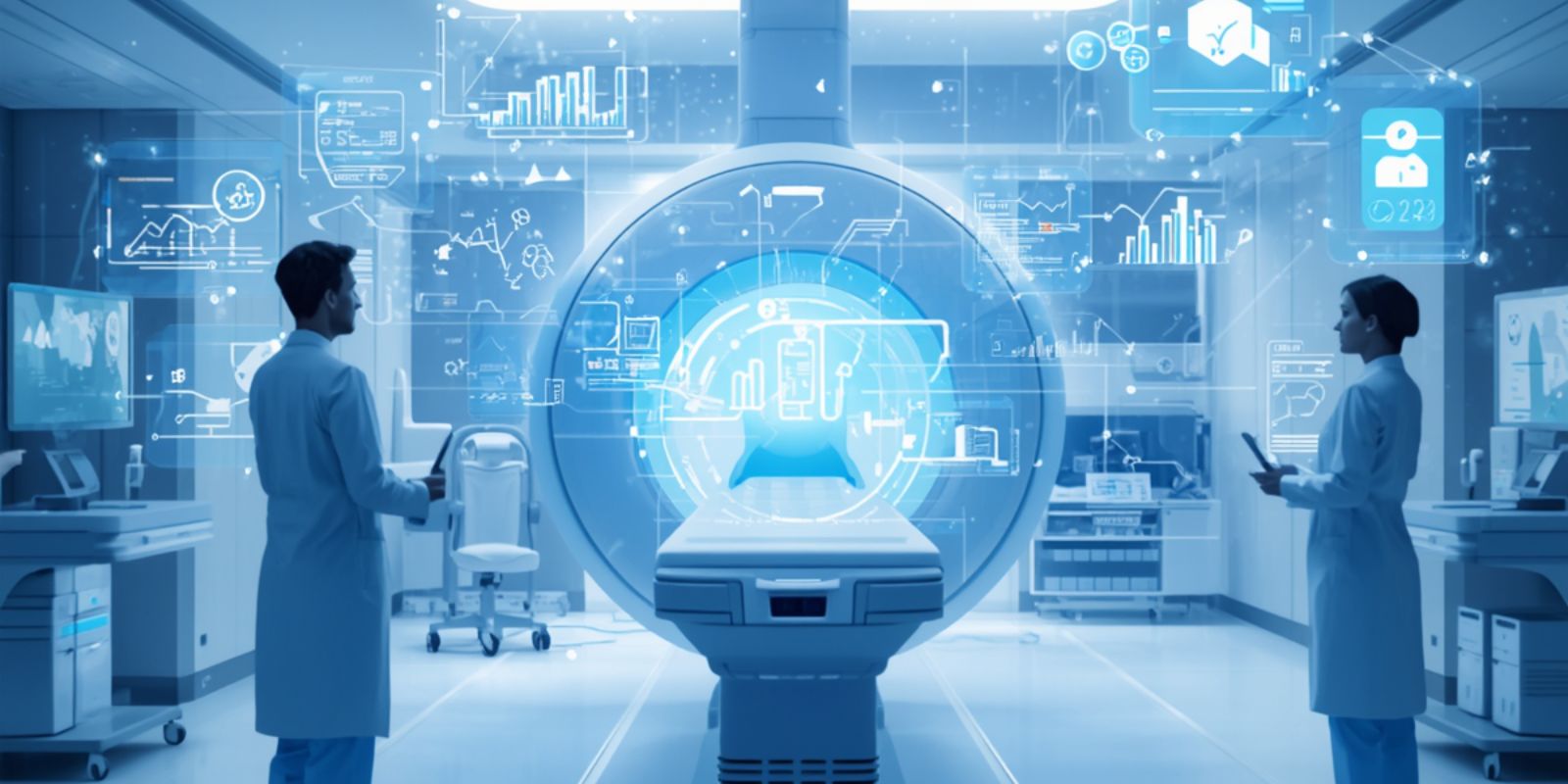
Modern Diagnostics Improve Care Coordination
In today’s rapidly evolving healthcare landscape, the integration of modern diagnostics has become a cornerstone for delivering high-quality, patient-centered care. As healthcare systems grow more complex, the need for seamless communication and collaboration among providers is more important than ever. Modern diagnostic technologies—ranging from advanced imaging systems to digital lab platforms—are transforming how medical professionals share information, make decisions, and coordinate patient care effectively.
The Role of Diagnostics in Healthcare
Diagnostics form the backbone of clinical decision-making. Accurate and timely test results guide physicians in identifying diseases, determining severity, and selecting appropriate treatment plans. Traditionally, diagnostic processes were often fragmented, involving manual data handling and delayed reporting. This lack of integration sometimes led to miscommunication, repeated tests, and delayed treatment.
Modern diagnostics address these challenges by providing faster, more accurate, and easily accessible information. With digital tools and automation, healthcare providers can now access real-time data, improving both the speed and quality of care delivery.
Enhancing Communication Across Healthcare Teams
Care coordination relies heavily on effective communication between multiple healthcare professionals, including primary care physicians, specialists, nurses, and laboratory technicians. Modern diagnostic systems streamline this communication by centralizing patient data and making it accessible across departments.
Electronic Health Records (EHRs) integrated with diagnostic platforms allow test results to be instantly shared with relevant providers. This eliminates the need for physical reports and reduces the risk of errors caused by misinterpretation or lost information. As a result, healthcare teams can collaborate more efficiently and make informed decisions without unnecessary delays.
Improving Accuracy and Reducing Errors
One of the key benefits of modern diagnostics is improved accuracy. Advanced technologies such as automated analyzers, artificial intelligence, and digital imaging tools minimize human error and enhance precision. Accurate diagnostics are essential for effective care coordination, as incorrect or incomplete information can lead to inappropriate treatments and poor patient outcomes.
Automation also ensures consistency in testing procedures, reducing variability and improving reliability. When healthcare providers can trust diagnostic results, they can confidently collaborate and align their treatment strategies.
Real-Time Data for Faster Decision-Making
Time is a critical factor in healthcare, especially in emergency situations or chronic disease management. Modern diagnostic tools provide real-time data, enabling healthcare providers to respond quickly to changes in a patient’s condition.
For instance, point-of-care testing devices allow for immediate analysis at the patient’s bedside. This rapid access to results facilitates quicker diagnoses and treatment decisions, reducing hospital stays and improving patient outcomes. Real-time data sharing also ensures that all members of the care team are updated simultaneously, promoting coordinated action.
Supporting Chronic Disease Management
Chronic diseases such as diabetes, cardiovascular conditions, and respiratory disorders require ongoing monitoring and coordinated care. Modern diagnostics play a crucial role in managing these conditions by providing continuous and accurate data.
Remote monitoring devices and digital lab platforms allow patients to undergo regular testing without frequent hospital visits. These results can be automatically transmitted to healthcare providers, enabling timely interventions and adjustments to treatment plans. This level of coordination not only improves patient outcomes but also enhances the overall patient experience.
Facilitating Personalized Treatment Plans
Personalized medicine is becoming increasingly important in modern healthcare. By leveraging advanced diagnostics, healthcare providers can tailor treatments based on individual patient characteristics, such as genetic profiles, biomarkers, and lifestyle factors.
This personalized approach requires seamless coordination among different specialists and departments. Modern diagnostic systems enable the integration of diverse data sources, allowing healthcare teams to develop comprehensive and individualized care plans. As a result, patients receive more targeted and effective treatments.
Reducing Redundancy and Healthcare Costs
Inefficient care coordination often leads to duplicated tests, unnecessary procedures, and increased healthcare costs. Modern diagnostics help eliminate these redundancies by ensuring that accurate and up-to-date information is readily available to all providers involved in a patient’s care.
Centralized data systems prevent the repetition of tests and reduce administrative burdens. This not only saves time and resources but also minimizes patient discomfort and inconvenience. By optimizing resource utilization, healthcare organizations can deliver cost-effective care without compromising quality.
Enhancing Patient Engagement and Experience
Modern diagnostics also empower patients by providing them with greater access to their health information. Digital platforms and mobile applications allow patients to view their test results, track their health metrics, and communicate with healthcare providers.
This transparency fosters trust and encourages patients to take an active role in their healthcare journey. When patients are well-informed and engaged, they are more likely to adhere to treatment plans and participate in preventive care measures. Improved patient engagement ultimately contributes to better care coordination and outcomes.
Integration with Telemedicine and Digital Health
The rise of telemedicine has further highlighted the importance of modern diagnostics in care coordination. Virtual consultations rely heavily on accurate and timely data to support clinical decision-making. Diagnostic tools that integrate with telehealth platforms enable healthcare providers to assess patients remotely and deliver appropriate care.
For example, wearable devices and home testing kits can transmit data directly to healthcare providers during virtual visits. This integration ensures continuity of care, even when patients are not physically present in a healthcare facility.
Overcoming Challenges in Implementation
While the benefits of modern diagnostics are clear, implementing these technologies comes with challenges. Healthcare organizations must invest in infrastructure, training, and data security measures to ensure successful adoption. Interoperability between different systems is also crucial for seamless data sharing.
Despite these challenges, the long-term advantages of improved care coordination, enhanced efficiency, and better patient outcomes make modern diagnostics a worthwhile investment.
The Future of Care Coordination
As technology continues to advance, the role of diagnostics in healthcare will become even more significant. Innovations such as artificial intelligence, machine learning, and predictive analytics are expected to further enhance diagnostic capabilities and care coordination.
These technologies will enable healthcare providers to anticipate potential health issues, identify trends, and implement preventive measures more effectively. The integration of diagnostics with other digital health tools will create a more connected and responsive healthcare ecosystem.
Conclusion
Modern diagnostics are transforming the way healthcare providers coordinate care, leading to improved efficiency, accuracy, and patient outcomes. By enabling real-time data sharing, enhancing communication, and supporting personalized treatment plans, these technologies play a vital role in delivering high-quality healthcare.
As healthcare systems continue to evolve, the adoption of advanced diagnostic tools will be essential for meeting the growing demands of patients and providers alike. Investing in modern diagnostics is not just a technological upgrade—it is a strategic move toward a more coordinated, patient-centered healthcare future.