
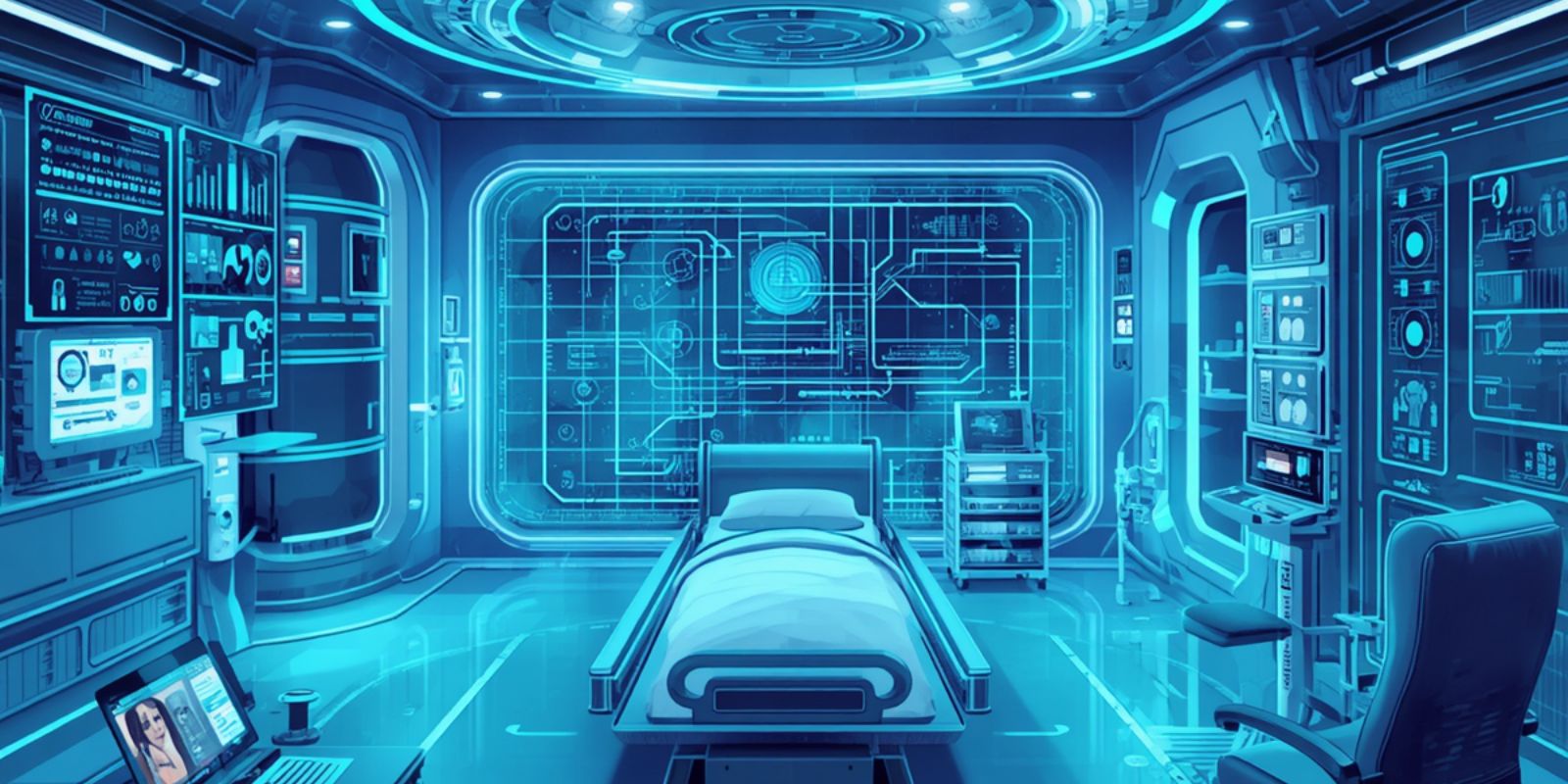
Modern Diagnostics Transforming Healthcare Delivery Systems
Healthcare systems around the world are undergoing a profound transformation, and at the heart of this change lies modern diagnostics. From early disease detection to personalized treatment plans, diagnostic technologies are reshaping how healthcare is delivered, improving patient outcomes, and optimizing operational efficiency. As healthcare providers strive to meet growing demands and expectations, advanced diagnostic tools are proving indispensable in building a smarter, faster, and more patient-centric ecosystem.
The Evolution of Diagnostics in Healthcare
Traditionally, diagnostics relied heavily on manual processes, basic laboratory testing, and physician expertise. While effective to an extent, these methods often involved longer turnaround times and limited precision. Today, modern diagnostics integrate advanced technologies such as artificial intelligence (AI), molecular biology, digital imaging, and automation to provide faster and more accurate results.
The shift from reactive to proactive healthcare is one of the most significant outcomes of modern diagnostics. Instead of treating diseases after symptoms appear, healthcare providers can now detect conditions at an early stage, enabling preventive care and reducing the burden on healthcare systems.
Key Technologies Driving Modern Diagnostics
Modern diagnostics is powered by a range of innovative technologies that are revolutionizing healthcare delivery:
1. Artificial Intelligence and Machine Learning
AI-driven diagnostic tools analyze large volumes of medical data to identify patterns that may be missed by human observation. These systems assist in interpreting imaging scans, predicting disease progression, and recommending treatment options. AI enhances accuracy while reducing diagnostic errors, ultimately improving patient safety.
2. Molecular Diagnostics
Molecular testing allows healthcare professionals to examine genetic material to identify diseases at a cellular level. This approach is particularly valuable in detecting cancers, infectious diseases, and genetic disorders. It supports personalized medicine by tailoring treatments based on an individual’s genetic profile.
3. Point-of-Care Testing (POCT)
Point-of-care diagnostics bring testing closer to the patient, whether at home, clinics, or remote locations. These rapid tests provide immediate results, enabling quicker decision-making and reducing the need for multiple hospital visits. POCT has been especially impactful in managing chronic diseases and infectious outbreaks.
4. Digital Imaging and Radiology
Advanced imaging technologies such as MRI, CT scans, and ultrasound systems offer high-resolution visuals for precise diagnosis. Integration with digital platforms allows for faster sharing of results and collaboration among healthcare professionals.
5. Automation and Robotics
Laboratories are increasingly adopting automated systems to handle repetitive tasks, ensuring consistency and reducing human error. Robotics enhances efficiency in sample processing and improves turnaround times for diagnostic reports.
Impact on Healthcare Delivery Systems
Modern diagnostics is not just improving clinical outcomes; it is transforming the entire healthcare delivery model.
1. Early Detection and Preventive Care
Early diagnosis plays a critical role in preventing disease progression. Conditions such as cancer, diabetes, and cardiovascular diseases can be identified at an early stage, significantly increasing the chances of successful treatment. Preventive care reduces long-term healthcare costs and improves quality of life.
2. Faster Decision-Making
With real-time diagnostic data, healthcare providers can make quicker and more informed decisions. This is particularly crucial in emergency situations where timely intervention can save lives.
3. Personalized Treatment Plans
Modern diagnostics enables a shift toward personalized medicine. By understanding a patient’s genetic makeup and health history, doctors can design targeted treatment plans that are more effective and have fewer side effects.
4. Improved Patient Experience
Shorter wait times, accurate results, and convenient testing options enhance the overall patient experience. Patients are more engaged in their healthcare journey when they have access to timely and reliable information.
5. Enhanced Operational Efficiency
Healthcare facilities benefit from streamlined workflows, reduced redundancies, and optimized resource allocation. Automation and digital systems minimize administrative burdens, allowing healthcare professionals to focus more on patient care.
Role in Public Health and Disease Management
Modern diagnostics plays a crucial role in managing public health challenges. During global health crises, rapid diagnostic testing helps identify and contain outbreaks. Surveillance systems powered by diagnostic data enable authorities to monitor disease patterns and implement timely interventions.
In chronic disease management, continuous monitoring tools provide real-time insights into a patient’s condition, allowing for proactive adjustments in treatment. This reduces hospital admissions and improves long-term outcomes.
Challenges in Implementing Modern Diagnostics
Despite its numerous benefits, the adoption of modern diagnostics comes with certain challenges:
1. High Costs
Advanced diagnostic technologies often require significant investment in equipment, infrastructure, and training. This can be a barrier for smaller healthcare facilities.
2. Data Privacy and Security
With the increasing use of digital platforms, ensuring the security of patient data is critical. Healthcare organizations must implement robust cybersecurity measures to protect sensitive information.
3. Skill Gaps
The integration of advanced technologies requires skilled professionals who can operate and interpret diagnostic systems effectively. Continuous training and education are essential.
4. Accessibility Issues
In rural and underserved areas, access to modern diagnostic facilities may be limited. Bridging this gap is crucial for achieving equitable healthcare delivery.
Future Trends in Diagnostic Healthcare
The future of diagnostics is promising, with several trends set to further transform healthcare delivery systems:
1. Integration with Telemedicine
Diagnostics will increasingly integrate with telehealth platforms, enabling remote consultations and real-time data sharing between patients and doctors.
2. Wearable Diagnostic Devices
Wearable technology will play a significant role in continuous health monitoring. Devices that track vital signs and detect anomalies will empower individuals to take proactive control of their health.
3. Predictive Analytics
Advanced analytics will enable healthcare providers to predict disease risks and outcomes, facilitating preventive interventions.
4. Decentralized Testing Models
Diagnostics will move beyond traditional laboratories to community-based and home-based settings, making healthcare more accessible and convenient.
Conclusion
Modern diagnostics is a cornerstone of the evolving healthcare landscape. By enabling early detection, enhancing accuracy, and supporting personalized care, it is transforming how healthcare services are delivered. While challenges remain, ongoing advancements and investments in technology are paving the way for a more efficient, accessible, and patient-centered healthcare system.
As healthcare continues to evolve, the role of diagnostics will only become more critical. Organizations that embrace these innovations will be better equipped to deliver high-quality care, improve patient outcomes, and meet the growing demands of modern healthcare systems.