
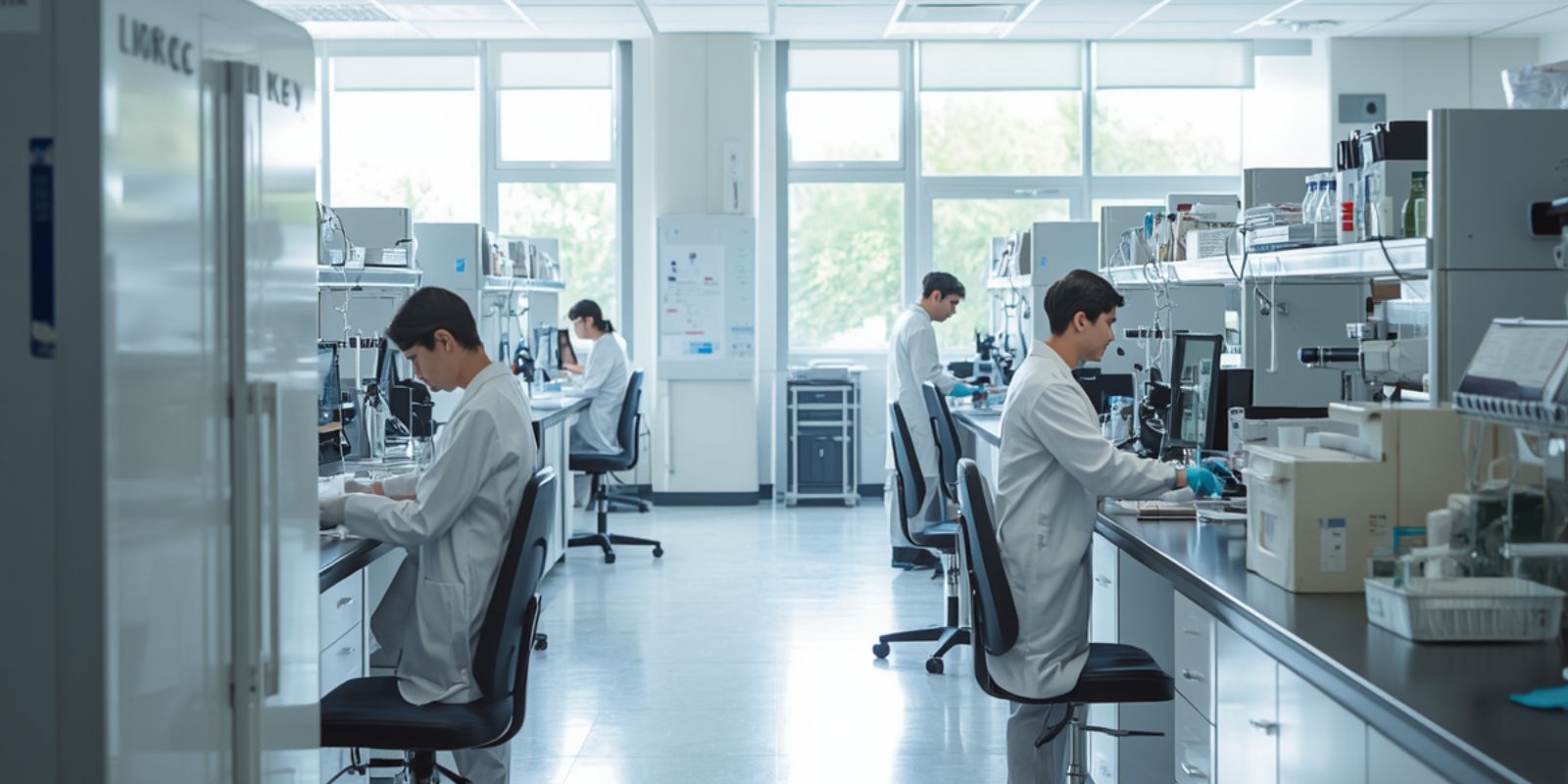
Modern Labs Support Preventive Care
Preventive care is rapidly becoming the cornerstone of modern healthcare systems. Instead of focusing solely on treating illnesses after they arise, healthcare providers are increasingly prioritizing early detection, risk assessment, and proactive management of health conditions. At the heart of this transformation are modern laboratories, which play a vital role in delivering accurate, timely, and actionable diagnostic insights.
Modern labs are no longer just testing facilities—they are advanced diagnostic hubs equipped with cutting-edge technologies, automation systems, and data analytics tools. These advancements are helping healthcare professionals identify diseases in their earliest stages, often before symptoms appear, enabling better patient outcomes and reducing overall healthcare costs.
The Shift Toward Preventive Healthcare
Traditionally, healthcare systems operated on a reactive model, where patients sought medical attention only after experiencing symptoms. However, this approach often led to late diagnoses, complex treatments, and higher healthcare expenses. Preventive care, on the other hand, emphasizes regular screenings, early detection, and lifestyle interventions.
Modern laboratories are central to this shift. By providing reliable and early diagnostic information, labs empower physicians to make informed decisions that prevent diseases from progressing. This proactive approach is particularly important for chronic conditions such as diabetes, cardiovascular diseases, and cancer.
Advanced Diagnostic Technologies in Modern Labs
One of the key reasons modern labs are so effective in supporting preventive care is their use of advanced technologies. Automated analyzers, molecular diagnostics, and high-throughput screening systems allow labs to process large volumes of samples with exceptional accuracy and speed.
For example, molecular testing techniques can detect genetic predispositions to certain diseases, enabling individuals to take preventive measures long before symptoms develop. Similarly, advanced imaging and biomarker analysis help identify early signs of diseases, making timely intervention possible.
Automation also reduces human error, ensuring consistent and reliable results. This level of precision is critical in preventive care, where even minor inaccuracies can lead to missed diagnoses or unnecessary treatments.
Role of Routine Screenings and Health Checkups
Routine screenings are a cornerstone of preventive care, and modern labs make these screenings more accessible and efficient. Regular blood tests, cholesterol checks, and cancer screenings provide valuable insights into a person’s health status.
Modern labs offer comprehensive health packages that cover multiple parameters in a single test. These packages are designed to detect potential health risks early, allowing individuals to take corrective action.
For instance, a simple blood test can reveal abnormalities in glucose levels, liver function, or kidney performance. Early detection of such issues enables timely medical intervention, preventing complications and improving quality of life.
Data-Driven Healthcare and Predictive Analytics
Another significant advantage of modern laboratories is their ability to integrate data analytics into diagnostic processes. By analyzing large datasets, labs can identify patterns and trends that help predict potential health risks.
Predictive analytics allows healthcare providers to assess a patient’s likelihood of developing certain conditions based on their medical history, lifestyle, and genetic factors. This information is invaluable in preventive care, as it enables personalized treatment plans and targeted interventions.
Digital health records and lab information systems further enhance this capability by ensuring seamless communication between labs and healthcare providers. This integration leads to faster decision-making and improved patient outcomes.
Improving Accessibility and Convenience
Modern labs are also making preventive care more accessible to a wider population. With the introduction of home sample collection services, mobile labs, and online report access, patients can now undergo testing without the need for frequent hospital visits.
This convenience encourages more people to opt for regular health checkups, which is essential for early detection and prevention. In addition, many labs offer affordable testing packages, making preventive care accessible to individuals from different socioeconomic backgrounds.
Telemedicine integration further enhances accessibility by allowing patients to consult with healthcare professionals based on their lab results, without the need for physical appointments.
Enhancing Patient Awareness and Engagement
Modern laboratories are not just service providers—they are also playing a role in educating patients about the importance of preventive care. Many labs provide detailed reports with easy-to-understand explanations, helping patients make informed decisions about their health.
Health awareness campaigns, wellness programs, and personalized recommendations are also becoming common. These initiatives encourage individuals to adopt healthier lifestyles and take proactive steps to maintain their well-being.
When patients are more informed and engaged, they are more likely to follow preventive measures, leading to better health outcomes.
Reducing Healthcare Costs Through Prevention
Preventive care supported by modern labs can significantly reduce healthcare costs. Early detection of diseases often leads to simpler and less expensive treatments compared to managing advanced conditions.
For example, detecting high cholesterol levels early can prevent costly procedures such as heart surgeries. Similarly, early diagnosis of cancer can reduce the need for extensive treatments like chemotherapy or radiation therapy.
By minimizing the need for hospitalization and complex treatments, modern labs contribute to a more sustainable and cost-effective healthcare system.
Supporting Public Health Initiatives
Modern laboratories also play a crucial role in public health by supporting large-scale screening programs and disease surveillance. During health crises, labs are instrumental in testing, tracking, and controlling the spread of diseases.
Preventive care initiatives such as vaccination programs, infectious disease screening, and health awareness campaigns rely heavily on laboratory support. Accurate and timely data from labs helps authorities make informed decisions and implement effective public health strategies.
The Future of Preventive Care and Laboratory Medicine
The future of preventive care is closely tied to advancements in laboratory medicine. Emerging technologies such as artificial intelligence, machine learning, and personalized medicine are expected to further enhance diagnostic capabilities.
AI-powered tools can analyze complex datasets to identify subtle patterns that may indicate early stages of diseases. Personalized medicine, based on genetic and molecular profiling, will allow for highly targeted preventive strategies.
Wearable devices and remote monitoring systems will also integrate with laboratory data, providing continuous health insights and enabling real-time preventive interventions.
Conclusion
Modern laboratories are transforming the healthcare landscape by making preventive care more effective, accessible, and data-driven. Through advanced technologies, routine screenings, and predictive analytics, labs enable early detection and proactive management of health conditions.
As healthcare continues to evolve, the role of modern labs will become even more critical in promoting wellness and preventing diseases. By supporting preventive care, these labs not only improve individual health outcomes but also contribute to a more efficient and sustainable healthcare system.