
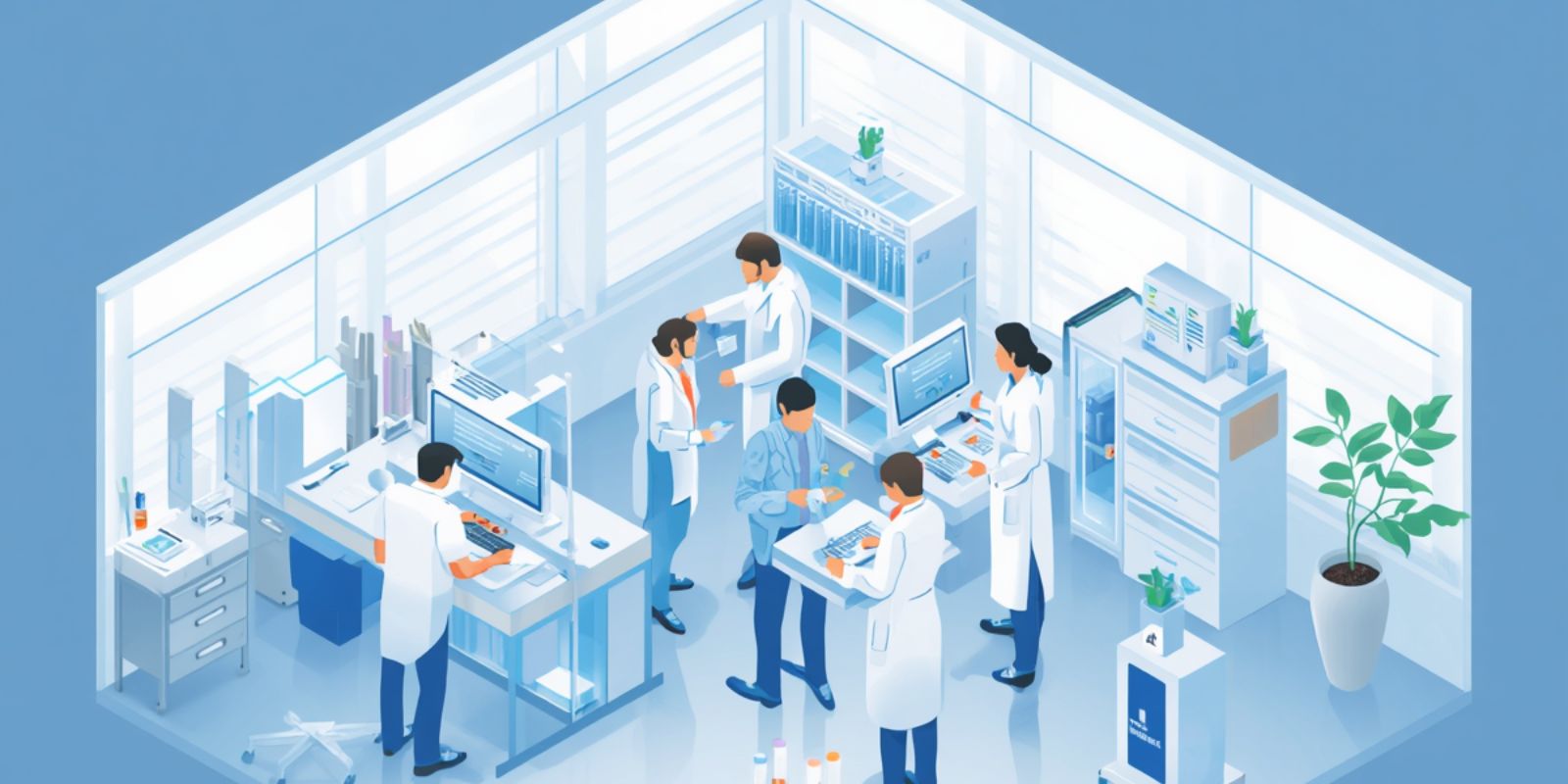
Modern Pathology Services Supporting Healthcare Growth
The healthcare industry is undergoing a rapid transformation driven by technological innovation, increased patient awareness, and the need for accurate, timely diagnosis. At the center of this evolution lies pathology—an essential pillar of modern medicine. Modern pathology services are no longer confined to traditional lab testing; they have expanded into advanced diagnostic ecosystems that support clinical decision-making, disease prevention, and personalized treatment strategies. As healthcare systems continue to grow and evolve, pathology services play a crucial role in enhancing efficiency, improving patient outcomes, and driving sustainable development.
The Evolution of Pathology Services
Traditionally, pathology involved manual examination of samples such as blood, tissue, and bodily fluids. While effective, these methods often required significant time and were prone to human error. Today, modern pathology has embraced digital transformation, automation, and artificial intelligence, enabling faster and more accurate diagnostics.
Digital pathology allows pathologists to analyze high-resolution images of samples using advanced software, eliminating the need for physical slides in many cases. This not only improves efficiency but also facilitates remote consultations, enabling specialists to collaborate across geographical boundaries. Automation in laboratories further streamlines processes, reducing turnaround times and minimizing the risk of errors.
Role in Early Disease Detection
One of the most significant contributions of modern pathology services is in early disease detection. Early diagnosis is critical in managing chronic conditions such as cancer, diabetes, and cardiovascular diseases. Advanced diagnostic tools enable pathologists to identify diseases at their earliest stages, often before symptoms appear.
For example, molecular pathology techniques analyze genetic material to detect abnormalities at a cellular level. This allows healthcare providers to identify risks and initiate preventive measures early. Early detection not only improves survival rates but also reduces the overall cost of treatment, benefiting both patients and healthcare systems.
Supporting Personalized Medicine
Modern pathology is a key enabler of personalized medicine, which tailors treatment plans based on an individual’s genetic makeup, lifestyle, and medical history. By analyzing biomarkers and genetic data, pathologists can provide insights into how a patient is likely to respond to specific treatments.
This approach is particularly valuable in oncology, where targeted therapies are designed to attack specific cancer cells without harming healthy tissues. Pathology services help identify the most effective treatment options, ensuring better outcomes and minimizing side effects.
Enhancing Healthcare Efficiency
Efficiency is a critical factor in healthcare growth, and modern pathology services significantly contribute to it. Automated systems handle large volumes of tests with high accuracy, reducing the burden on healthcare professionals. Integrated laboratory information systems (LIS) enable seamless data management, ensuring that test results are easily accessible to clinicians.
Faster turnaround times mean that patients receive diagnoses and begin treatment sooner, improving overall care delivery. Additionally, efficient pathology services reduce hospital stays and readmission rates, contributing to cost savings and better resource utilization.
Integration with Digital Health Systems
The integration of pathology services with digital health platforms is transforming healthcare delivery. Electronic health records (EHRs) and cloud-based systems allow for real-time sharing of diagnostic data among healthcare providers. This ensures continuity of care and enables informed decision-making.
Telepathology, a subset of digital pathology, allows pathologists to examine samples remotely and provide consultations in real time. This is particularly beneficial in rural or underserved areas where access to specialized expertise may be limited. By bridging the gap between urban and rural healthcare, modern pathology services contribute to equitable healthcare growth.
Quality Assurance and Standardization
Maintaining high standards of accuracy and reliability is essential in pathology. Modern pathology services incorporate advanced quality control measures to ensure consistent results. Automated systems reduce variability, while standardized protocols enhance reproducibility.
Accreditation and compliance with international standards further ensure the credibility of pathology services. Regular audits, proficiency testing, and continuous training of professionals help maintain excellence in diagnostics. High-quality pathology services build trust among patients and healthcare providers, supporting the overall growth of the healthcare sector.
Addressing Growing Healthcare Demands
With increasing population and rising prevalence of diseases, the demand for diagnostic services is growing rapidly. Modern pathology services are equipped to handle this demand through scalable solutions. High-throughput testing systems can process thousands of samples daily, ensuring timely diagnosis even during peak demand.
The COVID-19 pandemic highlighted the importance of robust pathology infrastructure. Laboratories played a critical role in testing, monitoring, and controlling the spread of the virus. This experience has underscored the need for continuous investment in pathology services to prepare for future healthcare challenges.
Advancements in Technology
Technological advancements are at the core of modern pathology services. Artificial intelligence and machine learning algorithms are being used to analyze complex data sets, identify patterns, and assist in diagnosis. These technologies enhance the accuracy and speed of pathology processes.
Next-generation sequencing (NGS) and other advanced techniques provide detailed insights into genetic and molecular profiles. These innovations are expanding the scope of pathology, enabling the diagnosis of rare diseases and the development of targeted therapies.
Role in Preventive Healthcare
Preventive healthcare is gaining importance as healthcare systems shift from reactive to proactive approaches. Pathology services play a vital role in preventive care by enabling regular health screenings and risk assessments.
Routine tests such as blood panels, lipid profiles, and cancer screenings help identify potential health issues before they become serious. By promoting early intervention, pathology services reduce the burden of chronic diseases and improve population health outcomes.
Collaboration with Healthcare Providers
Modern pathology services function as integral partners in the healthcare ecosystem. Close collaboration between pathologists, clinicians, and researchers ensures comprehensive patient care. Pathologists provide critical insights that guide diagnosis, treatment planning, and disease management.
Multidisciplinary team meetings, where experts from various fields discuss complex cases, are becoming increasingly common. Pathology findings form the foundation of these discussions, highlighting the central role of pathology in healthcare delivery.
Challenges and Opportunities
Despite significant advancements, modern pathology services face challenges such as high costs, data security concerns, and the need for skilled professionals. Implementing advanced technologies requires substantial investment and ongoing maintenance.
However, these challenges also present opportunities for growth. Innovations in cost-effective technologies, training programs, and data protection measures can address these issues. Public-private partnerships and government initiatives can further support the development of pathology infrastructure.
Future Outlook
The future of pathology services is promising, with continuous advancements in technology and increasing integration with healthcare systems. Innovations such as digital twins, predictive analytics, and real-time monitoring are expected to further enhance diagnostic capabilities.
As healthcare systems move towards value-based care, the importance of accurate and timely diagnosis will continue to grow. Pathology services will play a crucial role in achieving this goal, supporting better patient outcomes and sustainable healthcare development.
Conclusion
Modern pathology services are indispensable to the growth and evolution of the healthcare industry. By enabling early detection, supporting personalized medicine, and enhancing efficiency, they contribute significantly to improved patient care. The integration of advanced technologies and digital systems has transformed pathology into a dynamic and essential component of modern healthcare.
As the demand for high-quality healthcare continues to rise, investing in modern pathology services will be key to building resilient and efficient healthcare systems. By embracing innovation and fostering collaboration, pathology services will continue to drive healthcare growth and improve lives worldwide.