
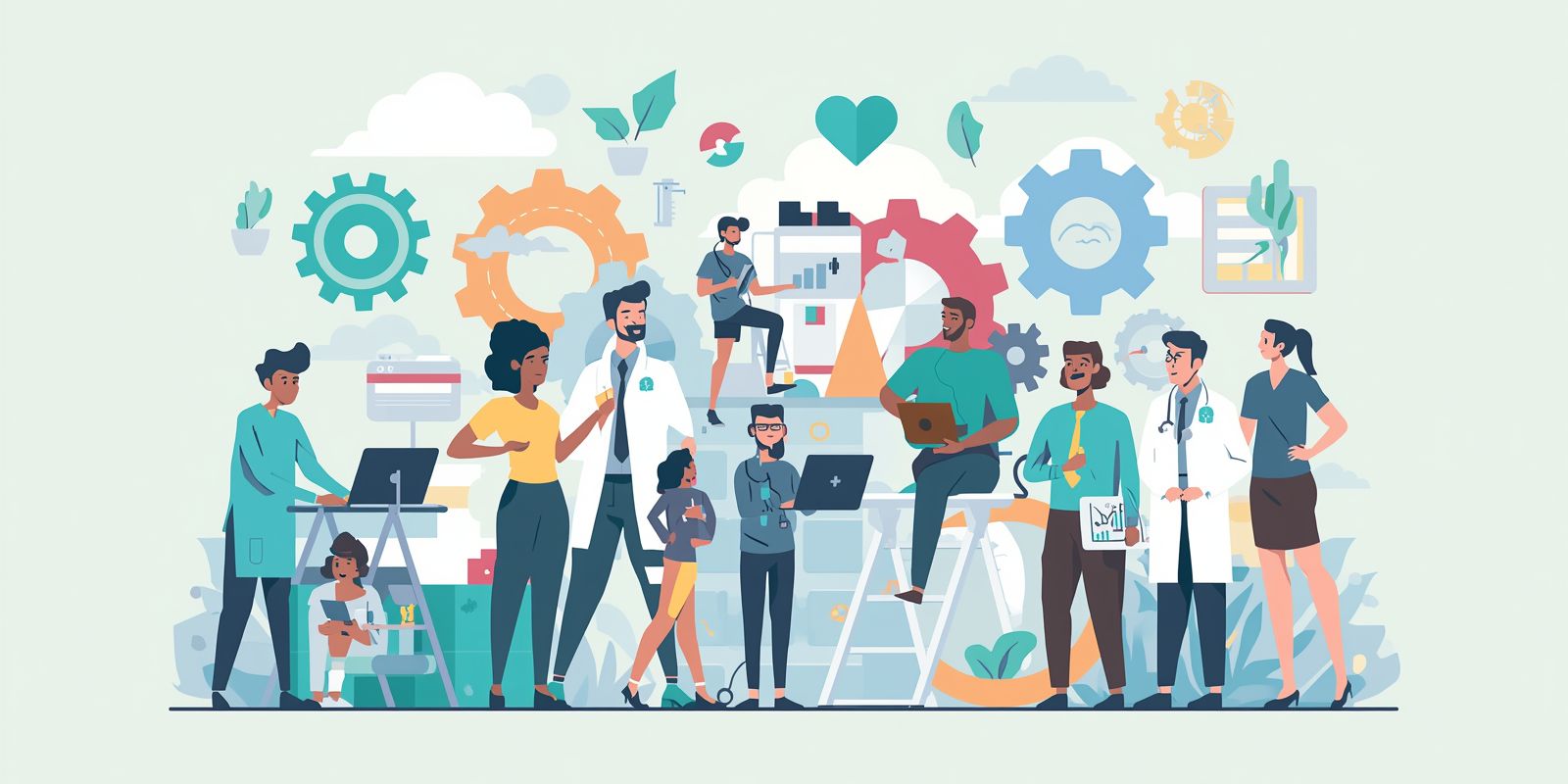
Optimizing Talent Utilization in Healthcare
The healthcare industry is one of the most resource-intensive sectors, where human capital plays a critical role in delivering quality patient care. From doctors and nurses to administrative staff and support personnel, every role contributes to the smooth functioning of healthcare systems. However, many organizations struggle with inefficient workforce utilization, leading to burnout, increased costs, and compromised patient outcomes. Optimizing talent utilization in the healthcare industry is no longer optional—it is essential for sustainability, efficiency, and growth.
Understanding Talent Utilization in Healthcare
Talent utilization refers to how effectively an organization deploys its workforce to maximize productivity, efficiency, and outcomes. In healthcare, this means ensuring that the right professionals are in the right roles at the right time, equipped with the right tools and support systems.
Poor talent utilization can manifest in several ways:
- Overworked staff leading to burnout
- Underutilized skilled professionals
- Inefficient scheduling systems
- High turnover rates
- Increased operational costs
Optimizing talent utilization addresses these issues by aligning workforce capabilities with organizational needs.
The Importance of Talent Optimization
Healthcare organizations operate in a high-pressure environment where demand for services is constantly rising. Efficient use of talent directly impacts:
- Patient satisfaction and outcomes
- Employee well-being and retention
- Operational efficiency
- Financial performance
When healthcare professionals are utilized effectively, they can focus more on patient care rather than administrative burdens, leading to better outcomes and improved job satisfaction.
Key Challenges in Talent Utilization
1. Workforce Shortages
Healthcare systems globally face a shortage of skilled professionals, especially nurses and specialists. This often leads to overburdening existing staff.
2. Inefficient Scheduling
Manual or outdated scheduling systems can result in uneven workload distribution, causing stress and inefficiency.
3. Skill Mismatch
Employees are sometimes assigned tasks that do not match their expertise, leading to reduced productivity and dissatisfaction.
4. Administrative Burden
Healthcare professionals often spend a significant portion of their time on paperwork rather than patient care.
5. High Turnover Rates
Burnout and dissatisfaction contribute to frequent employee turnover, increasing recruitment and training costs.
Strategies for Optimizing Talent Utilization
1. Implement Advanced Workforce Planning
Strategic workforce planning involves forecasting staffing needs based on patient demand, seasonal trends, and organizational goals. Using data analytics helps healthcare organizations:
- Predict staffing requirements
- Reduce overstaffing and understaffing
- Improve resource allocation
2. Leverage Technology and Automation
Technology plays a crucial role in optimizing talent utilization. Tools such as:
- AI-powered scheduling systems
- Electronic Health Records (EHR)
- Workforce management software
These tools reduce administrative tasks, streamline workflows, and allow healthcare professionals to focus on patient care.
3. Skill-Based Task Allocation
Assigning tasks based on employees’ skills and qualifications ensures maximum efficiency. For example:
- Nurses can handle routine patient care
- Specialists focus on complex cases
- Administrative staff manage documentation
This approach minimizes workload imbalance and enhances productivity.
4. Promote Cross-Training
Cross-training employees enables them to perform multiple roles when needed. Benefits include:
- Increased workforce flexibility
- Reduced dependency on specific individuals
- Improved team collaboration
In times of staff shortages, cross-trained employees can step in to fill critical gaps.
5. Optimize Shift Scheduling
Flexible and optimized scheduling systems can significantly improve workforce utilization. Key practices include:
- Rotational shifts to prevent burnout
- Real-time schedule adjustments
- Employee input in scheduling decisions
This not only improves efficiency but also enhances employee satisfaction.
6. Reduce Administrative Burden
Automating routine administrative tasks such as documentation, billing, and reporting allows healthcare professionals to dedicate more time to patient care. This improves both efficiency and job satisfaction.
7. Focus on Employee Well-being
Employee well-being is directly linked to productivity and retention. Organizations should:
- Provide mental health support
- Ensure reasonable working hours
- Encourage work-life balance
A healthy workforce is more engaged and productive.
8. Data-Driven Decision Making
Using data analytics helps healthcare organizations make informed decisions about staffing, workload distribution, and performance management. Key metrics include:
- Patient-to-staff ratios
- Employee productivity levels
- Overtime hours
- Turnover rates
Analyzing these metrics enables continuous improvement in talent utilization.
Benefits of Optimizing Talent Utilization
1. Improved Patient Outcomes
Efficient workforce utilization ensures that patients receive timely and high-quality care.
2. Enhanced Employee Satisfaction
Balanced workloads and reduced burnout lead to higher job satisfaction and retention.
3. Cost Efficiency
Optimized staffing reduces unnecessary labor costs and minimizes overtime expenses.
4. Increased Productivity
Employees working in roles aligned with their skills perform more efficiently.
5. Better Organizational Performance
Overall operational efficiency improves, contributing to long-term growth and sustainability.
Role of Leadership in Talent Optimization
Leadership plays a critical role in driving talent utilization strategies. Effective leaders:
- Foster a culture of collaboration
- Encourage continuous learning and development
- Invest in technology and innovation
- Prioritize employee well-being
Strong leadership ensures that talent optimization initiatives are successfully implemented and sustained.
Future Trends in Healthcare Talent Utilization
The future of healthcare workforce management is evolving rapidly, driven by technological advancements and changing patient needs. Key trends include:
1. Artificial Intelligence and Predictive Analytics
AI will play a larger role in forecasting demand, optimizing schedules, and improving decision-making.
2. Telehealth Expansion
Telehealth services allow healthcare professionals to serve more patients efficiently, improving talent utilization.
3. Remote Workforce Integration
Administrative and support roles can increasingly be managed remotely, reducing operational costs.
4. Personalized Workforce Strategies
Organizations will adopt customized workforce strategies based on individual employee strengths and preferences.
5. Continuous Learning and Upskilling
Ongoing training programs will ensure that healthcare professionals stay updated with the latest skills and technologies.
Conclusion
Optimizing talent utilization in the healthcare industry is essential for delivering high-quality care, improving employee satisfaction, and achieving operational efficiency. By leveraging technology, implementing strategic workforce planning, and focusing on employee well-being, healthcare organizations can maximize the potential of their workforce.
As the industry continues to evolve, organizations that prioritize efficient talent utilization will be better positioned to להתמודד challenges, reduce costs, and deliver exceptional patient care. Investing in people is ultimately an investment in better healthcare outcomes.