
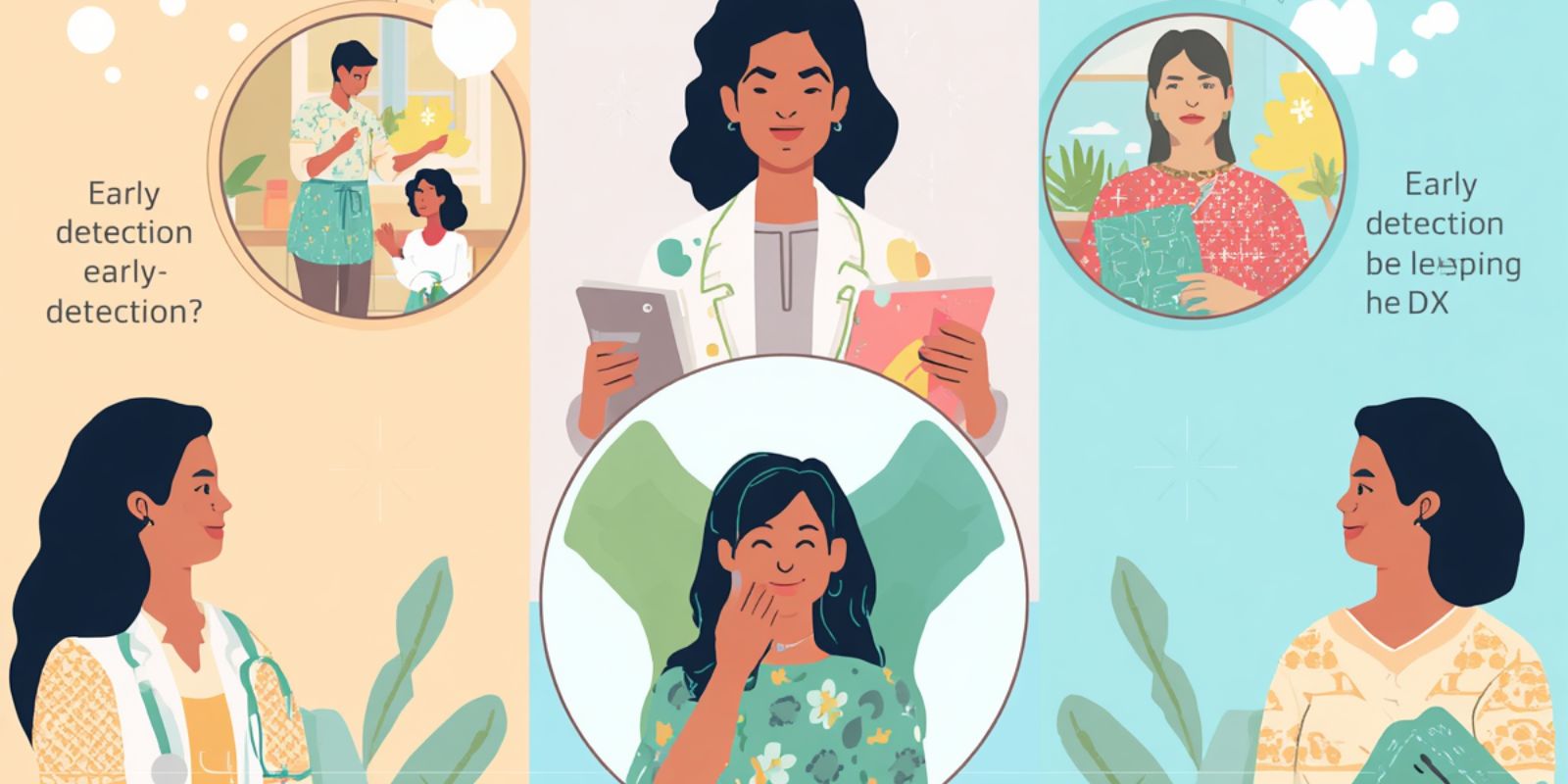
Preventive Screening Reduces Health Risks
Preventive screening has become a cornerstone of modern healthcare, offering individuals a proactive approach to maintaining well-being and avoiding serious medical conditions. Instead of waiting for symptoms to appear, preventive screenings focus on early detection, allowing timely intervention and better health outcomes. In today’s fast-paced world, where lifestyle-related illnesses are on the rise, preventive screening plays a crucial role in reducing health risks and improving quality of life.
Understanding Preventive Screening
Preventive screening refers to medical tests, check-ups, and assessments conducted before symptoms of a disease appear. These screenings aim to identify potential health issues at an early stage when they are easier to treat or manage. Common screenings include blood pressure checks, cholesterol tests, diabetes screening, cancer screenings (such as mammograms and colonoscopies), and routine blood tests.
The goal is not just to detect diseases but to assess risk factors and prevent illnesses from developing altogether. Preventive healthcare emphasizes the importance of regular monitoring and informed decision-making.
The Importance of Early Detection
One of the most significant advantages of preventive screening is early detection. Many serious conditions, such as cancer, diabetes, and heart disease, develop silently without noticeable symptoms in their early stages. By the time symptoms appear, the disease may already be advanced and more difficult to treat.
Early detection through screening can:
- Improve treatment success rates
- Reduce the severity of diseases
- Lower healthcare costs
- Increase survival rates
For instance, detecting high blood sugar levels early can help prevent or delay the onset of diabetes. Similarly, identifying abnormal cells during cancer screening can lead to early treatment and better outcomes.
Reducing the Burden of Chronic Diseases
Chronic diseases such as heart disease, diabetes, and hypertension are among the leading causes of death worldwide. These conditions often develop due to lifestyle factors like poor diet, lack of exercise, smoking, and stress.
Preventive screenings help identify these risk factors early, allowing individuals to make necessary lifestyle changes. For example:
- Monitoring cholesterol levels can prevent heart disease
- Regular blood pressure checks can reduce the risk of stroke
- Screening for obesity can guide weight management efforts
By addressing these risk factors early, individuals can significantly reduce the likelihood of developing chronic diseases.
Personalized Healthcare Approach
Preventive screening supports a personalized approach to healthcare. Not everyone has the same risk factors or health concerns. Age, gender, family history, and lifestyle all influence an individual’s health risks.
Healthcare providers use screening results to create customized health plans tailored to each person’s needs. For example:
- Individuals with a family history of cancer may require more frequent screenings
- Older adults may need regular bone density tests
- Women may require specific screenings such as cervical and breast exams
This personalized approach ensures that preventive measures are more effective and relevant.
Cost-Effective Healthcare Strategy
While some people may hesitate to undergo regular screenings due to perceived costs, preventive screening is actually a cost-effective healthcare strategy in the long run. Treating advanced diseases often involves expensive procedures, hospital stays, and long-term medication.
In contrast, early detection through screening can:
- Reduce hospitalization costs
- Minimize the need for complex treatments
- Lower long-term healthcare expenses
Investing in preventive care ultimately saves both money and lives.
Promoting Healthy Lifestyle Choices
Preventive screening not only detects health issues but also encourages healthier lifestyle choices. When individuals become aware of their health status, they are more likely to take proactive steps to improve their well-being.
Screening results often motivate people to:
- Adopt a balanced diet
- Increase physical activity
- Quit smoking
- Reduce alcohol consumption
- Manage stress effectively
Healthcare professionals can also provide guidance and support based on screening results, helping individuals make sustainable lifestyle changes.
Enhancing Quality of Life
Good health is essential for a fulfilling life. Preventive screening helps individuals maintain their health, avoid complications, and stay active for longer. By identifying potential health issues early, people can take steps to manage their conditions and prevent deterioration.
This leads to:
- Improved physical and mental well-being
- Greater independence in older age
- Increased productivity and energy levels
- Reduced anxiety about unknown health conditions
Ultimately, preventive screening contributes to a better quality of life.
Role of Technology in Preventive Screening
Advancements in medical technology have significantly improved the accuracy and accessibility of preventive screenings. Modern diagnostic tools and digital health platforms make it easier to monitor health and detect abnormalities.
Some technological advancements include:
- Advanced imaging techniques for early disease detection
- Wearable devices that track vital signs
- Telemedicine services for remote consultations
- Automated lab testing systems for precise results
These innovations have made preventive screening more efficient, reliable, and widely available.
Overcoming Barriers to Preventive Screening
Despite its benefits, many people do not undergo regular preventive screenings due to various barriers such as lack of awareness, fear of results, time constraints, and financial concerns.
To overcome these challenges:
- Increase public awareness about the importance of screening
- Provide affordable and accessible healthcare services
- Encourage workplace health programs
- Promote regular health check-ups as a routine practice
Education and awareness campaigns can play a vital role in encouraging individuals to prioritize preventive care.
The Role of Healthcare Providers
Healthcare providers play a critical role in promoting preventive screening. They guide patients on which tests are necessary based on age, risk factors, and medical history. Regular consultations with healthcare professionals ensure that individuals stay updated on recommended screenings.
Doctors, nurses, and healthcare organizations can:
- Educate patients about preventive care
- Recommend appropriate screening schedules
- Provide follow-up care and support
- Encourage adherence to health plans
A strong patient-provider relationship enhances the effectiveness of preventive healthcare.
Preventive Screening Across Different Life Stages
Preventive screening is important at every stage of life:
Children and Adolescents:
Regular check-ups help monitor growth, development, and vaccination status.
Adults:
Screenings for blood pressure, cholesterol, diabetes, and certain cancers become essential.
Older Adults:
More frequent screenings are needed for chronic conditions, bone health, and age-related diseases.
Adapting screening practices based on life stages ensures comprehensive health management.
Building a Preventive Health Culture
Creating a culture that prioritizes preventive health is essential for long-term well-being. Governments, healthcare institutions, and communities must work together to promote regular screenings and healthy living.
Initiatives can include:
- Community health camps
- Workplace wellness programs
- School health education
- Public awareness campaigns
When preventive care becomes a shared responsibility, the overall health of society improves.
Conclusion
Preventive screening is a powerful tool in reducing health risks and improving overall well-being. By focusing on early detection, risk assessment, and proactive care, individuals can take control of their health and avoid serious medical conditions. The benefits extend beyond individual health, contributing to a healthier society and reducing the burden on healthcare systems.
Incorporating regular screenings into daily life is not just a medical recommendation—it is a vital step toward a longer, healthier, and more fulfilling life.