
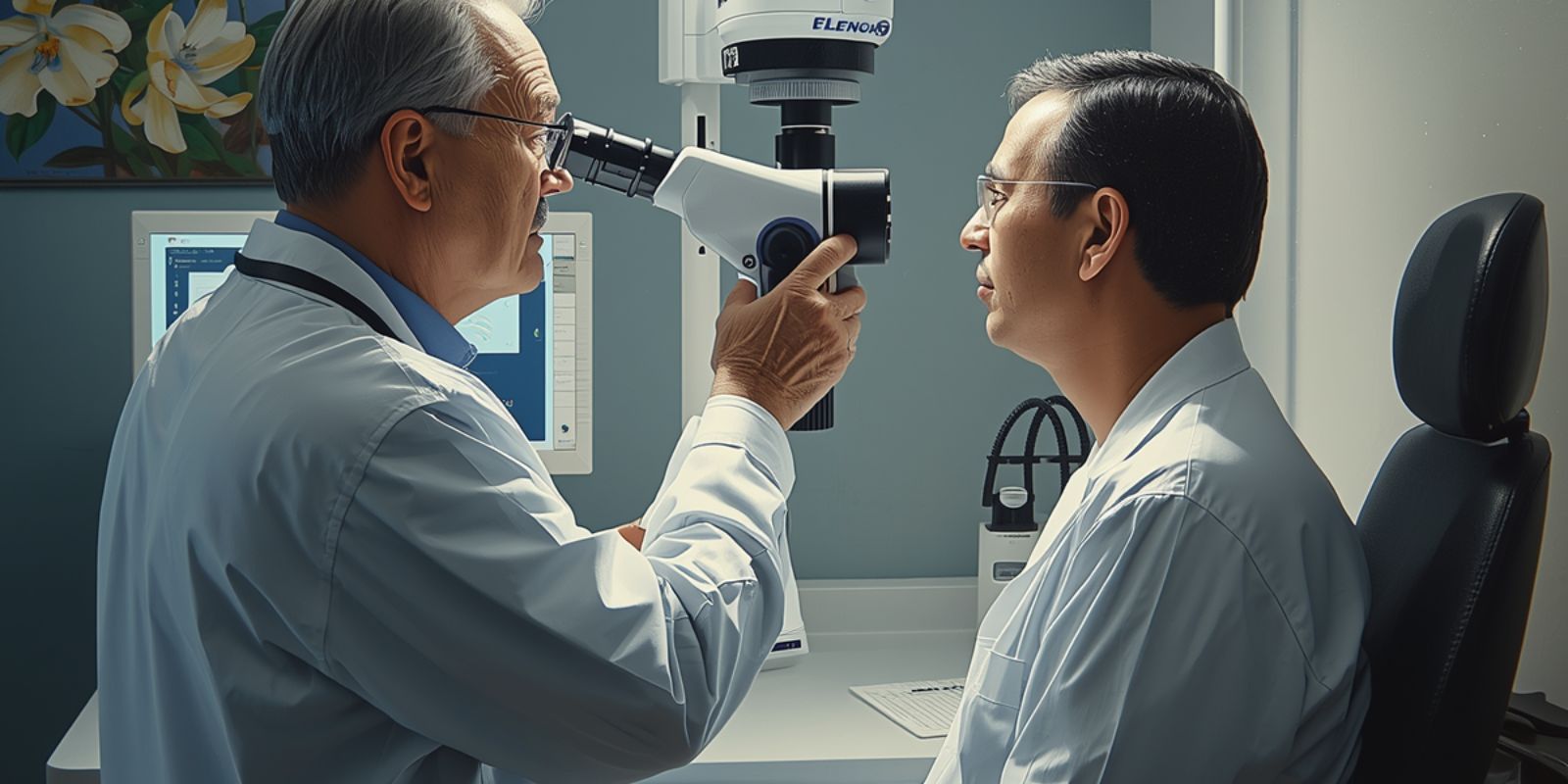
Regular Diagnostic Tests Ensure Healthy Lifestyle
In today’s fast-paced world, maintaining good health often takes a backseat to busy schedules, stress, and lifestyle habits. Many individuals only seek medical attention when symptoms become severe, overlooking the importance of preventive care. However, regular diagnostic tests play a crucial role in ensuring a healthy lifestyle by identifying potential health issues early, monitoring ongoing conditions, and guiding timely medical interventions.
Understanding Diagnostic Tests
Diagnostic tests are medical procedures performed to detect, diagnose, and monitor diseases or health conditions. These tests include blood tests, urine tests, imaging scans, and screenings for specific illnesses such as diabetes, heart disease, and cancer. Regular testing allows individuals to stay informed about their health status and make necessary lifestyle adjustments before problems escalate.
Importance of Regular Diagnostic Tests
1. Early Detection of Diseases
One of the primary benefits of regular diagnostic testing is early detection. Many serious health conditions, such as hypertension, diabetes, and certain cancers, may not show noticeable symptoms in their initial stages. Routine tests help identify these conditions early, increasing the chances of successful treatment and reducing complications.
2. Prevention is Better Than Cure
Preventive healthcare is always more effective and less costly than treating advanced diseases. Regular check-ups and screenings help detect risk factors such as high cholesterol, elevated blood sugar levels, or abnormal blood pressure. Addressing these issues early can prevent the development of chronic illnesses.
3. Monitoring Existing Health Conditions
For individuals already diagnosed with chronic conditions, regular diagnostic tests are essential for monitoring progress and treatment effectiveness. For example, people with diabetes need regular blood glucose tests, while those with heart conditions require periodic cholesterol and ECG monitoring. These tests help doctors adjust treatment plans as needed.
4. Improved Quality of Life
Maintaining good health through regular testing leads to a better quality of life. When health issues are identified early and managed effectively, individuals can avoid severe complications, maintain energy levels, and enjoy daily activities without limitations.
5. Cost-Effective Healthcare
Although some people may view diagnostic tests as an added expense, they actually save money in the long run. Early detection reduces the need for expensive treatments, hospitalizations, and surgeries. Investing in preventive care minimizes overall healthcare costs.
Common Diagnostic Tests Everyone Should Consider
1. Blood Tests
Blood tests are among the most common and informative diagnostic tools. They provide insights into overall health, including blood sugar levels, cholesterol levels, liver and kidney function, and more.
2. Blood Pressure Check
Regular monitoring of blood pressure helps detect hypertension early. Uncontrolled high blood pressure can lead to serious complications such as heart attacks and strokes.
3. Blood Sugar Test
This test helps detect diabetes or prediabetes. With the rising prevalence of diabetes, regular screening is essential, especially for individuals with risk factors like obesity or family history.
4. Cholesterol Test
A lipid profile test measures cholesterol levels and helps assess the risk of cardiovascular diseases. Maintaining healthy cholesterol levels is vital for heart health.
5. Cancer Screenings
Screenings such as mammograms, Pap smears, and colonoscopies help detect cancers at an early stage when treatment is more effective.
6. Thyroid Function Test
Thyroid disorders are common and can affect metabolism, energy levels, and overall health. Regular testing helps identify imbalances early.
7. Urine Tests
Urine analysis can detect infections, kidney problems, and metabolic conditions. It is a simple yet valuable diagnostic tool.
Who Should Get Regular Diagnostic Tests?
1. Adults Over 30
As people age, the risk of developing chronic diseases increases. Regular health check-ups become more important after the age of 30.
2. Individuals with Family History of Diseases
Those with a family history of conditions such as diabetes, heart disease, or cancer should undergo regular screenings to detect potential risks early.
3. People with Sedentary Lifestyles
A lack of physical activity can lead to obesity and other health issues. Regular testing helps monitor health parameters and prevent complications.
4. Individuals with Unhealthy Habits
Smoking, excessive alcohol consumption, and poor dietary habits increase the risk of various diseases. Diagnostic tests help assess the impact of these habits on health.
5. Patients with Existing Health Conditions
People already diagnosed with medical conditions need regular tests to track their health and adjust treatments accordingly.
How Often Should You Get Tested?
The frequency of diagnostic tests depends on age, medical history, lifestyle, and risk factors. Generally:
- Annual health check-ups are recommended for adults.
- Blood pressure and blood sugar tests should be done at least once a year.
- Cholesterol tests can be done every 3–5 years, or more frequently if at risk.
- Cancer screenings should follow guidelines based on age and gender.
Consulting a healthcare professional helps determine the appropriate testing schedule for each individual.
Role of Lifestyle in Preventive Health
While diagnostic tests are essential, they should be combined with a healthy lifestyle for maximum benefits. Key lifestyle practices include:
1. Balanced Diet
Eating a nutritious diet rich in fruits, vegetables, whole grains, and lean proteins supports overall health and prevents diseases.
2. Regular Exercise
Physical activity helps maintain a healthy weight, improves cardiovascular health, and reduces stress.
3. Adequate Sleep
Proper sleep is crucial for physical and mental well-being. Lack of sleep can negatively impact immunity and increase the risk of chronic diseases.
4. Stress Management
Chronic stress can lead to various health issues. Practicing relaxation techniques such as meditation and yoga can improve overall health.
5. Avoiding Harmful Habits
Limiting alcohol consumption and avoiding smoking significantly reduces the risk of many diseases.
Overcoming Barriers to Regular Testing
Despite the benefits, many people avoid diagnostic tests due to fear, lack of awareness, or financial concerns. Addressing these barriers is essential:
- Awareness: Educating individuals about the importance of preventive healthcare encourages regular testing.
- Accessibility: Improved access to healthcare facilities and affordable testing services makes it easier for people to get tested.
- Mindset Change: Viewing health check-ups as a preventive measure rather than a response to illness can promote proactive health management.
The Future of Preventive Healthcare
Advancements in medical technology are making diagnostic tests more accurate, accessible, and convenient. Innovations such as home testing kits, wearable health devices, and telemedicine are transforming the way individuals monitor their health. These developments empower people to take control of their well-being and make informed decisions.
Conclusion
Regular diagnostic tests are a cornerstone of a healthy lifestyle. They enable early detection of diseases, support preventive care, and help individuals maintain optimal health. By incorporating routine testing into your healthcare routine, you can take proactive steps toward a longer, healthier, and more fulfilling life.
Investing in your health today ensures a better tomorrow. Make regular diagnostic tests a priority and combine them with a balanced lifestyle to achieve overall wellness.