
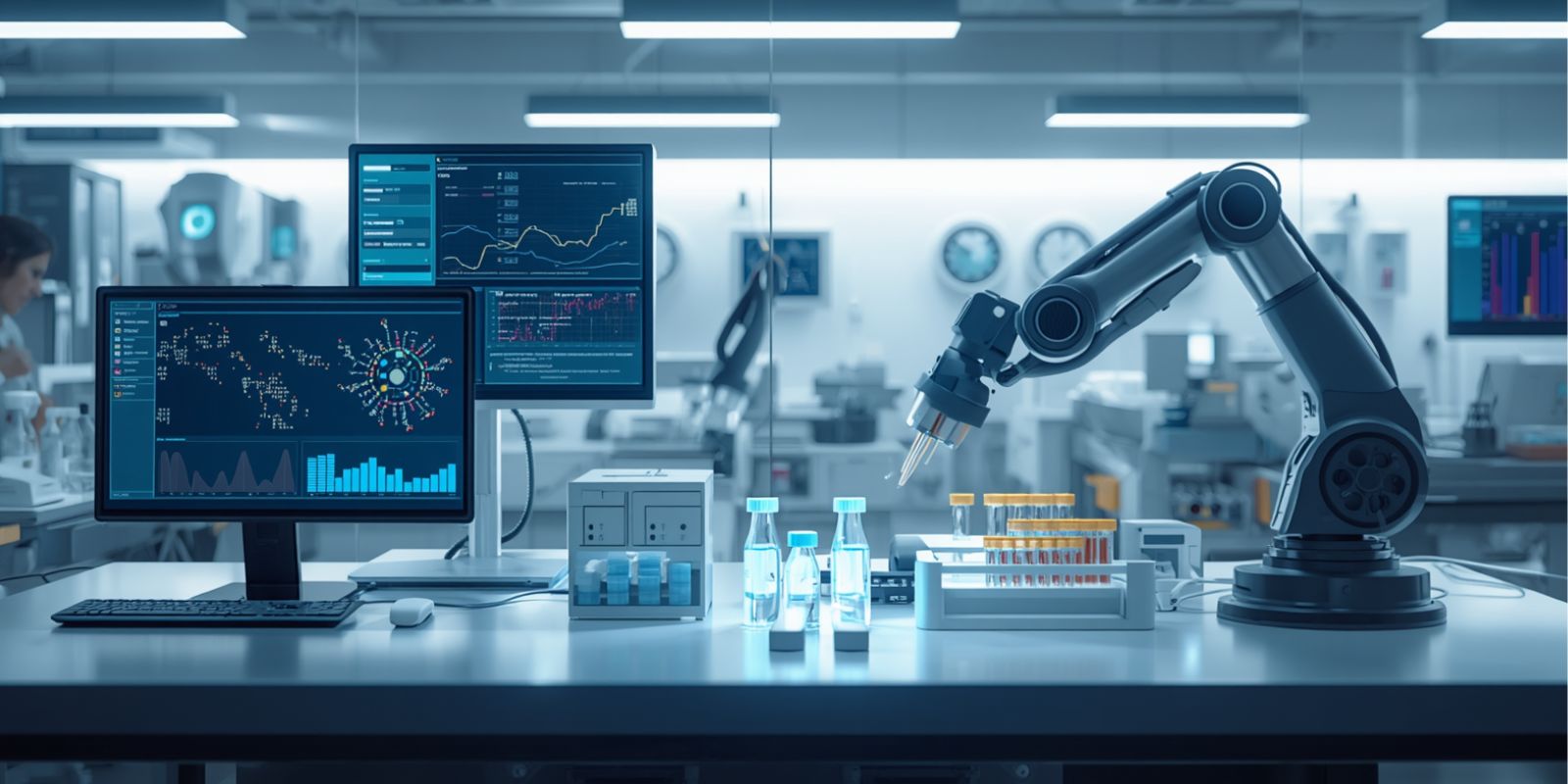
Role Of AI In Lab Diagnostics
Introduction
Artificial Intelligence (AI) is transforming the healthcare industry, and one of its most impactful applications is in laboratory diagnostics. Traditionally, diagnostic laboratories relied heavily on manual processes, human interpretation, and time-consuming workflows. However, with the integration of AI, laboratories are becoming faster, more accurate, and highly efficient. AI technologies such as machine learning, deep learning, and data analytics are reshaping how diagnostic tests are conducted, interpreted, and delivered.
This article explores the growing role of AI in lab diagnostics, its benefits, applications, challenges, and future potential.
Understanding AI in Laboratory Diagnostics
AI in lab diagnostics refers to the use of advanced algorithms and computer systems to analyze medical data, assist in decision-making, and automate laboratory processes. These systems can process vast amounts of data, identify patterns, and provide insights that may not be easily detectable by humans.
AI tools are trained using large datasets of medical records, lab results, and imaging data. Over time, they learn to recognize abnormalities and assist healthcare professionals in diagnosing diseases more accurately and quickly.
Key Applications of AI in Lab Diagnostics
1. Automated Image Analysis
AI plays a crucial role in analyzing medical images such as blood smears, histopathology slides, and microbiology cultures. Traditional analysis requires skilled technicians and can be prone to human error. AI-powered systems can detect abnormalities like cancer cells, infections, or blood disorders with high precision.
2. Predictive Diagnostics
AI algorithms can predict diseases before symptoms become severe by analyzing historical patient data and trends. This is particularly useful in identifying chronic conditions like diabetes, cardiovascular diseases, and cancer at an early stage.
3. Workflow Automation
AI helps streamline laboratory workflows by automating routine tasks such as sample sorting, labeling, and data entry. This reduces manual errors and allows lab professionals to focus on more critical tasks.
4. Data Management and Integration
Modern laboratories generate massive amounts of data. AI systems can organize, analyze, and integrate this data efficiently, providing actionable insights for clinicians.
5. Quality Control and Assurance
AI can continuously monitor lab processes and identify inconsistencies or errors in real-time. This ensures higher quality standards and reliable test results.
Benefits of AI in Lab Diagnostics
Improved Accuracy
AI systems reduce the chances of human error by providing precise analysis and consistent results. They can detect even subtle abnormalities that might be overlooked during manual examination.
Faster Turnaround Time
AI significantly speeds up diagnostic processes. Tests that once took hours or days can now be completed in minutes, enabling quicker clinical decisions.
Cost Efficiency
By automating repetitive tasks and reducing errors, AI helps laboratories save operational costs in the long run.
Enhanced Productivity
Laboratory staff can focus on complex analytical tasks while AI handles routine operations, improving overall productivity.
Early Disease Detection
AI’s predictive capabilities enable early diagnosis, which is critical for effective treatment and better patient outcomes.
AI in Different Types of Laboratory Testing
Clinical Chemistry
AI helps analyze biochemical parameters such as glucose, cholesterol, and enzymes. It can identify trends and flag abnormal values for further investigation.
Hematology
In blood analysis, AI can classify blood cells, detect anemia, infections, and even leukemia with high accuracy.
Microbiology
AI systems can identify bacteria, viruses, and fungi from culture samples and suggest appropriate treatments.
Molecular Diagnostics
AI plays a role in genetic testing and DNA sequencing, helping detect genetic disorders and guide personalized medicine.
Challenges in Implementing AI in Lab Diagnostics
High Initial Costs
Implementing AI systems requires significant investment in technology, infrastructure, and training.
Data Privacy Concerns
Handling sensitive patient data raises concerns about privacy and security. Proper regulations and safeguards are essential.
Lack of Skilled Professionals
There is a need for trained professionals who can operate and manage AI-based systems effectively.
Integration Issues
Integrating AI with existing laboratory systems can be complex and may require upgrades or changes in workflows.
Dependence on Data Quality
AI systems rely heavily on high-quality data. Inaccurate or incomplete data can lead to incorrect predictions or diagnoses.
Role of AI in Personalized Medicine
One of the most promising aspects of AI in lab diagnostics is its contribution to personalized medicine. AI can analyze individual patient data, including genetic information, lifestyle, and medical history, to recommend tailored treatment plans.
This approach improves treatment effectiveness and minimizes side effects, as therapies are customized to each patient’s unique profile.
Future Trends in AI and Lab Diagnostics
Integration with IoT Devices
AI combined with Internet of Things (IoT) devices will enable real-time monitoring and diagnostics, even outside traditional lab settings.
Cloud-Based Diagnostics
Cloud computing will allow laboratories to store and analyze data remotely, making AI tools more accessible and scalable.
Advanced Predictive Models
Future AI systems will become even more sophisticated, capable of predicting complex diseases with greater accuracy.
Robotics in Laboratories
AI-powered robots will handle sample processing, testing, and reporting, further enhancing efficiency.
Telepathology and Remote Diagnostics
AI will enable remote analysis of lab samples, making diagnostic services accessible in rural and underserved areas.
Ethical Considerations
While AI offers numerous benefits, ethical concerns must be addressed. Transparency in AI decision-making, accountability, and patient consent are critical factors. It is essential to ensure that AI supports healthcare professionals rather than replacing them entirely.
Conclusion
The role of AI in lab diagnostics is rapidly expanding, bringing significant improvements in accuracy, efficiency, and patient care. From automated image analysis to predictive diagnostics, AI is revolutionizing how laboratories operate. Despite challenges such as high costs and data privacy concerns, the benefits far outweigh the limitations.
As technology continues to evolve, AI will become an integral part of diagnostic laboratories, enabling faster and more precise healthcare solutions. Embracing AI in lab diagnostics is not just an advancement—it is a necessity for the future of modern healthcare.