
Routine Health Tests For Better Living
Maintaining good health is not just about treating illnesses—it’s about preventing them before they become serious. One of the most effective ways to ensure long-term well-being is through routine health tests. These tests act as an early warning system, helping detect potential health issues even before symptoms appear. By staying proactive with regular screenings, individuals can take control of their health and make informed lifestyle choices that promote better living.
In today’s fast-paced world, many people neglect their health due to busy schedules, stress, and unhealthy habits. However, routine health tests offer a practical and reliable way to monitor your body’s internal functioning and identify risks early. Whether you are young, middle-aged, or elderly, regular checkups play a vital role in maintaining optimal health.
Why Routine Health Tests Are Important
Routine health tests are essential because they help detect diseases at an early stage. Many serious conditions such as diabetes, hypertension, and heart disease develop silently without noticeable symptoms. Early detection allows for timely intervention, reducing complications and improving outcomes.
Another key benefit is prevention. Health screenings can identify risk factors like high cholesterol, elevated blood sugar levels, or vitamin deficiencies. Once these risks are known, you can take steps such as improving your diet, increasing physical activity, or starting medication if necessary.
Routine tests also provide a clear picture of your overall health. They help track changes over time, allowing doctors to compare past and present results. This makes it easier to identify patterns and diagnose issues accurately.
Common Routine Health Tests
1. Complete Blood Count (CBC)
A Complete Blood Count is one of the most basic and widely recommended tests. It evaluates different components of your blood, including red blood cells, white blood cells, and platelets. This test helps detect infections, anemia, and various other health conditions.
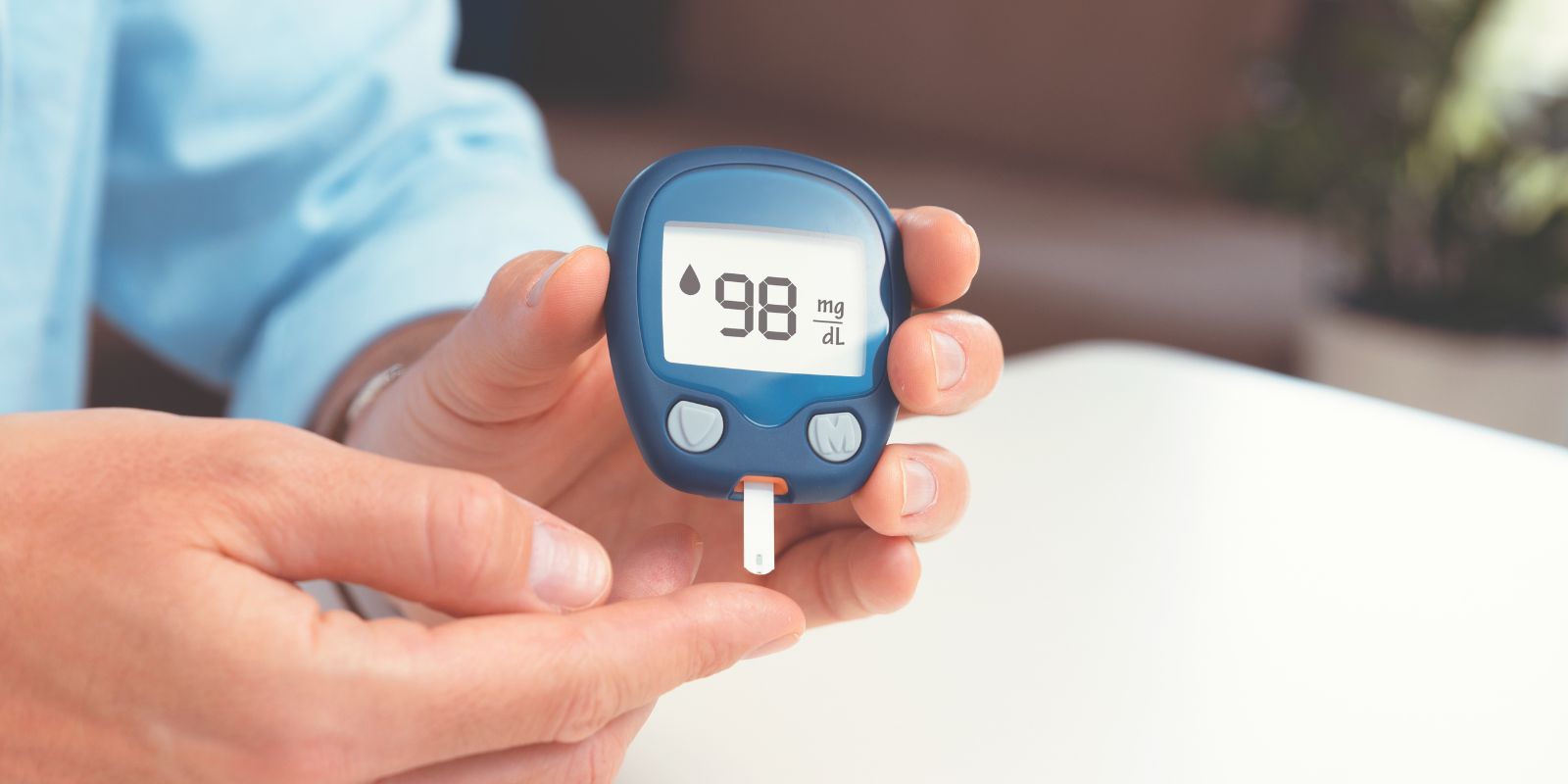
2. Blood Sugar Test
Blood sugar testing is crucial for detecting diabetes or prediabetes. It measures the amount of glucose in your blood and helps determine how effectively your body is managing sugar levels. Regular monitoring is especially important for individuals with a family history of diabetes.
3. Lipid Profile
A lipid profile measures cholesterol levels, including LDL (bad cholesterol), HDL (good cholesterol), and triglycerides. High cholesterol levels increase the risk of heart disease and stroke, making this test essential for cardiovascular health.
4. Liver Function Test (LFT)
The liver plays a vital role in detoxification, metabolism, and digestion. Liver function tests evaluate enzymes and proteins in the blood to assess liver health and detect conditions such as hepatitis or fatty liver disease.
5. Kidney Function Test (KFT)
Kidney function tests measure levels of waste products like creatinine and urea in the blood. These tests help determine how well your kidneys are filtering waste and maintaining fluid balance.
6. Thyroid Function Test
The thyroid gland regulates metabolism, energy levels, and hormonal balance. Thyroid tests check hormone levels to identify conditions like hypothyroidism or hyperthyroidism.
7. Vitamin and Mineral Tests
Deficiencies in vitamins such as Vitamin D and Vitamin B12 are common and can lead to fatigue, weakness, and other health issues. Routine testing helps ensure your body is receiving essential nutrients.
How Often Should You Get Tested?
The frequency of routine health tests depends on factors such as age, lifestyle, family history, and existing medical conditions.
- In your 20s and 30s: Basic tests every 1–2 years
- In your 40s: Annual screenings are recommended
- 50 and above: More frequent and comprehensive testing is advised
Individuals with chronic conditions like diabetes or hypertension may need more frequent monitoring as advised by their healthcare provider.
Benefits of Routine Health Testing
Early Disease Detection
Many diseases develop gradually without obvious symptoms. Routine tests help identify these conditions early, increasing the chances of successful treatment.
Cost Savings
Preventive healthcare is often more affordable than treating advanced diseases. Early diagnosis reduces the need for expensive treatments and hospitalizations.
Better Lifestyle Choices
When you are aware of your health status, you are more likely to adopt healthier habits. Test results can motivate you to improve your diet, exercise regularly, and avoid harmful behaviors like smoking or excessive alcohol consumption.
Peace of Mind
Regular health checkups provide reassurance and reduce anxiety about unknown health issues. Knowing that you are monitoring your health can boost confidence and overall well-being.
Preparing for Routine Health Tests
To ensure accurate results, proper preparation is important. Some tests require fasting for 8–12 hours, while others may need specific instructions from your doctor.
Here are a few general tips:
- Follow fasting guidelines if required
- Avoid alcohol and heavy meals before testing
- Inform your doctor about medications you are taking
- Stay hydrated unless instructed otherwise
Always consult your healthcare provider for specific preparation instructions based on the tests you are undergoing.
Role of Lifestyle in Health Monitoring
Routine health tests are only one part of maintaining good health. A healthy lifestyle plays an equally important role in preventing diseases and improving overall well-being.
Balanced Diet
Eating a diet rich in fruits, vegetables, whole grains, and lean proteins supports optimal body function. Limiting processed foods, sugar, and unhealthy fats can reduce the risk of chronic diseases.
Regular Exercise
Physical activity helps maintain a healthy weight, improves cardiovascular health, and boosts mental well-being. Aim for at least 30 minutes of moderate exercise most days of the week.
Stress Management
Chronic stress can negatively impact your health. Practices such as meditation, yoga, and deep breathing can help manage stress effectively.
Adequate Sleep
Quality sleep is essential for physical and mental health. Adults should aim for 7–9 hours of sleep per night to allow the body to repair and rejuvenate.
Who Should Prioritize Routine Testing?
While everyone can benefit from routine health tests, certain groups should be especially vigilant:
- Individuals with a family history of chronic diseases
- People with sedentary lifestyles
- Smokers or those who consume alcohol regularly
- Individuals experiencing unexplained symptoms
- Older adults
By prioritizing regular checkups, these individuals can reduce their risk of serious health complications.
Choosing the Right Health Checkup Package
Many healthcare providers offer comprehensive health checkup packages that include multiple tests at a reasonable cost. When choosing a package, consider your age, medical history, and specific health concerns.
It is also important to consult a doctor who can recommend tests tailored to your needs. Avoid unnecessary tests and focus on those that provide meaningful insights into your health.
Conclusion
Routine health tests are a cornerstone of preventive healthcare and play a crucial role in ensuring a healthier, longer life. By detecting diseases early, identifying risk factors, and providing valuable insights into your overall health, these tests empower you to take proactive steps toward better living.
Incorporating regular health screenings into your lifestyle, along with healthy habits such as balanced nutrition, exercise, and stress management, can significantly improve your quality of life. Remember, investing in your health today can prevent major health issues in the future.
Make routine health tests a priority—not just when you feel unwell, but as a regular part of your wellness journey. Your future self will thank you.