
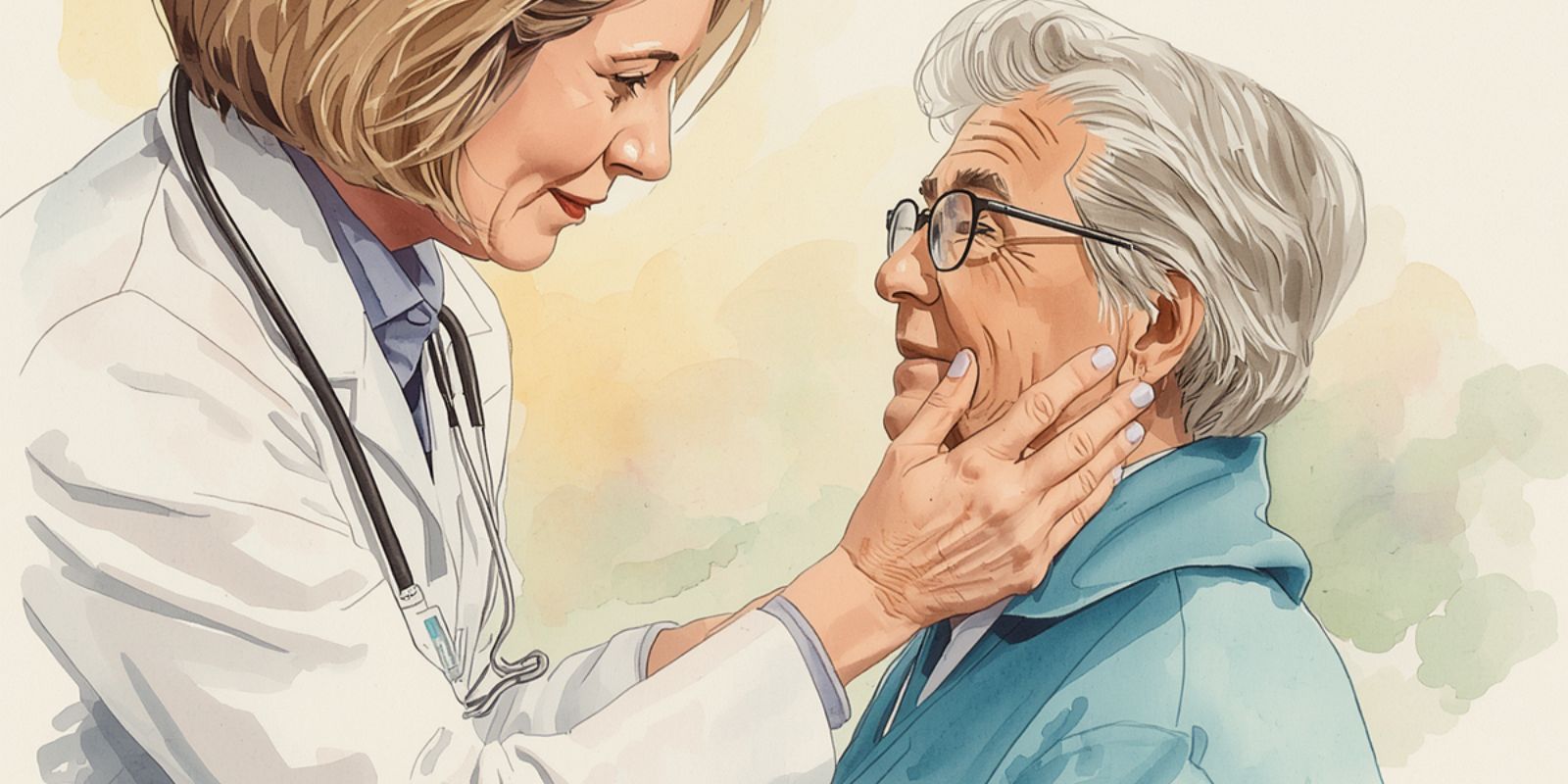
Senior Health Screening For Better Care
As individuals age, their healthcare needs become more complex and require proactive attention. Senior health screening plays a vital role in maintaining quality of life, detecting diseases early, and ensuring timely medical intervention. Regular health screenings empower older adults to take control of their well-being, reduce the risk of chronic illnesses, and promote longevity. In this comprehensive guide, we explore the importance, types, benefits, and best practices for senior health screening.
Understanding Senior Health Screening
Senior health screening refers to a series of medical tests and evaluations designed to assess the overall health status of individuals typically aged 60 and above. These screenings are preventive in nature and aim to detect potential health issues before symptoms appear. Early detection significantly improves treatment outcomes and can prevent complications.
As the body ages, it becomes more susceptible to chronic diseases such as diabetes, hypertension, heart disease, osteoporosis, and certain cancers. Regular screenings help identify these conditions early, allowing for better management and care.
Importance of Regular Health Screenings
One of the primary reasons senior health screenings are essential is early detection. Many serious health conditions develop silently without noticeable symptoms. For example, high blood pressure and high cholesterol often go unnoticed until they lead to more severe complications such as heart attacks or strokes.
Regular screenings also help monitor existing health conditions. Seniors who have already been diagnosed with chronic illnesses can benefit from routine check-ups to ensure their conditions are under control and medications are effective.
Moreover, preventive screenings reduce healthcare costs in the long run. Treating a disease in its early stages is typically less expensive and less invasive than managing advanced conditions.
Common Health Screenings for Seniors
1. Blood Pressure Screening
High blood pressure is a common issue among seniors and a major risk factor for heart disease and stroke. Regular monitoring helps in early diagnosis and management.
2. Blood Sugar Testing
Screening for diabetes is crucial, especially for seniors with a family history or lifestyle risk factors. Early detection allows for lifestyle changes and medication to control blood sugar levels.
3. Cholesterol Testing
High cholesterol can lead to cardiovascular diseases. Lipid profile tests help assess cholesterol levels and guide dietary and medical interventions.
4. Bone Density Test
Osteoporosis is a significant concern in older adults, particularly women. Bone density tests help evaluate bone strength and risk of fractures.
5. Cancer Screenings
Various cancer screenings are recommended for seniors, including:
- Breast cancer screening (mammograms)
- Prostate cancer screening
- Colorectal cancer screening
- Lung cancer screening (for smokers or former smokers)
6. Vision and Hearing Tests
Aging often affects vision and hearing. Regular eye and ear examinations ensure early correction and prevent further deterioration.
7. Cognitive and Mental Health Screening
Screening for cognitive decline, dementia, and depression is essential for maintaining mental health and independence in seniors.
8. Kidney and Liver Function Tests
These tests help evaluate organ health and detect abnormalities that may not present symptoms initially.
Benefits of Senior Health Screening
Early Disease Detection
Screenings can identify diseases before symptoms develop, leading to earlier treatment and better outcomes.
Improved Quality of Life
By managing health conditions effectively, seniors can maintain independence and enjoy a better quality of life.
Prevention of Complications
Timely intervention prevents minor health issues from becoming severe or life-threatening.
Personalized Healthcare
Screening results allow healthcare providers to tailor treatment plans based on individual health needs.
Increased Longevity
Regular monitoring and preventive care contribute to a longer and healthier life.
Role of Lifestyle in Senior Health
While screenings are essential, they should be complemented by a healthy lifestyle. Seniors are encouraged to:
- Maintain a balanced diet rich in nutrients
- Engage in regular physical activity
- Avoid smoking and excessive alcohol consumption
- Get adequate sleep
- Manage stress effectively
Combining healthy habits with regular screenings creates a strong foundation for overall well-being.
Frequency of Health Screenings
The frequency of screenings varies depending on age, medical history, and risk factors. Generally:
- Blood pressure: At least once a year
- Blood sugar: Every 1–3 years or as advised
- Cholesterol: Every 4–6 years or more frequently if needed
- Cancer screenings: As per doctor recommendations
- Bone density: Every 2 years for at-risk individuals
Consulting a healthcare provider is essential to determine a personalized screening schedule.
Barriers to Senior Health Screening
Despite the benefits, many seniors do not undergo regular screenings due to various barriers:
Lack of Awareness
Some seniors may not fully understand the importance of preventive healthcare.
Financial Constraints
Cost can be a significant factor, especially for those without adequate insurance coverage.
Mobility Issues
Limited mobility or transportation challenges can prevent access to healthcare facilities.
Fear and Anxiety
Fear of diagnosis or medical procedures may discourage seniors from getting screened.
Addressing these barriers through education, support, and accessible healthcare services is crucial.
Role of Family and Caregivers
Family members and caregivers play an important role in encouraging seniors to undergo regular health screenings. They can assist by:
- Scheduling appointments
- Providing transportation
- Offering emotional support
- Helping understand medical advice and reports
A supportive environment significantly increases the likelihood of consistent healthcare monitoring.
Technological Advancements in Health Screening
Modern technology has made health screenings more efficient, accurate, and accessible. Innovations include:
- Digital diagnostic tools
- Telemedicine consultations
- Portable health monitoring devices
- AI-powered diagnostic systems
These advancements improve the overall screening experience and ensure timely results.
Tips for Effective Health Screening
To make the most of health screenings, seniors should:
- Keep a record of medical history
- Follow pre-test instructions carefully
- Discuss symptoms openly with healthcare providers
- Schedule regular follow-ups
- Stay informed about recommended screenings
Being proactive and informed leads to better health outcomes.
Conclusion
Senior health screening is a cornerstone of preventive healthcare. It enables early detection, effective management, and improved quality of life for older adults. By prioritizing regular screenings and adopting a healthy lifestyle, seniors can significantly reduce the risk of chronic diseases and maintain independence.
Healthcare providers, families, and communities must work together to promote awareness and accessibility of senior health screenings. Investing in preventive care today ensures a healthier and more fulfilling tomorrow for seniors.